Future of Wearables: 2 Innovations Changing Daily Life
Advertisement
The future of wearables: 2 innovations transforming daily life
The wearable technology landscape has shifted dramatically over the past year. What started as simple fitness trackers has evolved into sophisticated devices capable of monitoring chronic conditions, predicting health issues, and even acting as personal AI assistants. Two particular innovations are proving to be game-changers for everyday consumers.
These developments go beyond incremental improvements. They’re fundamentally reshaping how we interact with technology throughout our day. From devices that can detect irregular heart rhythms before they become emergencies to wearables that understand context and anticipate needs, the latest generation of wearables represents a quantum leap in personal technology.
Medical-grade health monitoring: beyond fitness tracking
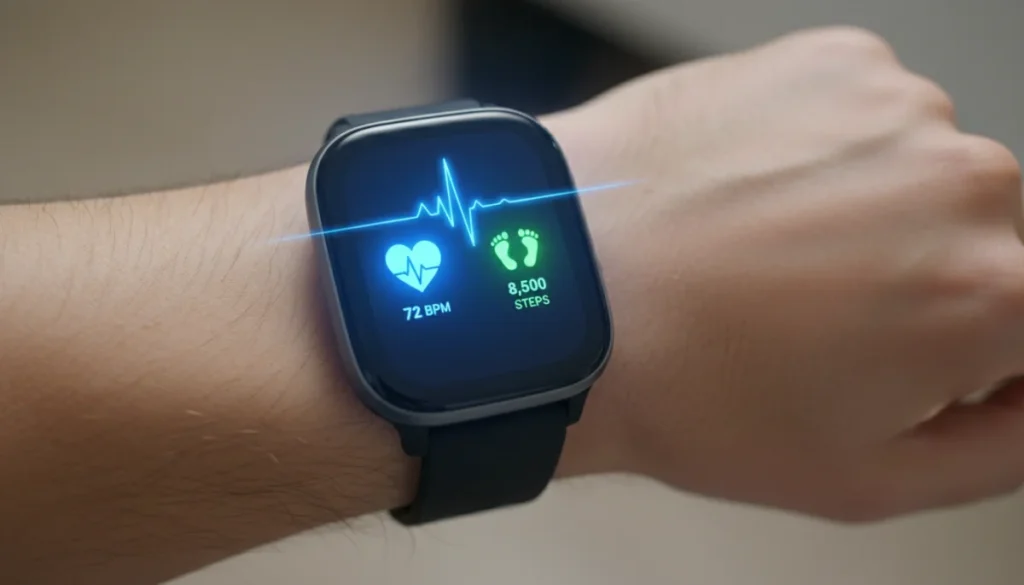
The first major innovation transforming the wearable space involves health monitoring capabilities that rival professional medical equipment. Today’s advanced wearables can now track blood oxygen levels, measure ECG readings, monitor sleep patterns with clinical accuracy, and even detect early signs of conditions like atrial fibrillation.
This shift from wellness gadgets to medical devices has been gradual but significant. Manufacturers have invested heavily in sensor technology, working with medical professionals to validate their readings. The result is a new generation of wearables that doctors increasingly recommend to patients for ongoing health management.
What makes these developments particularly impactful is accessibility. Rather than requiring expensive clinic visits or specialized equipment, users can now monitor vital health metrics continuously throughout their daily lives. This constant data collection enables patterns to emerge that might otherwise go unnoticed during brief doctor appointments.
Advertisement
Key health monitoring features now available
The latest devices offer an impressive array of health tracking capabilities. Blood oxygen saturation monitoring, once found only in hospital settings, is now standard in many consumer wearables. This feature proved particularly valuable during respiratory illness outbreaks, allowing users to track lung function from home.
Electrocardiogram functionality has similarly migrated from clinical settings to consumer wrists. These readings can detect irregular heart rhythms, potentially identifying conditions like atrial fibrillation before they lead to more serious problems. Several users have reported that early detection through their wearable devices led to life-saving medical interventions.
- Continuous heart rate monitoring with arrhythmia detection
- Blood oxygen level tracking for respiratory health
- Sleep stage analysis with quality scoring
- Stress level monitoring through heart rate variability
- Temperature tracking for fertility and illness detection
The integration of these features into everyday wearables represents a fundamental shift in preventive healthcare. Rather than waiting for annual checkups to identify potential issues, users now have access to continuous health insights that can inform lifestyle decisions and prompt timely medical consultations.
Advertisement
AI-powered personal assistants: context-aware computing
The second major innovation reshaping wearable technology trends involves artificial intelligence integration. Modern wearables are no longer passive devices that simply record data. They’re becoming active assistants capable of understanding context, learning preferences, and anticipating needs.
These AI-powered wearables go beyond voice commands and notification filtering. They observe patterns in user behavior, environmental factors, and routine activities to provide relevant suggestions and automate tasks. The result is technology that feels genuinely helpful rather than merely novel.
Consider how these devices now operate in daily life. A smart wearable might notice that you typically exercise at a certain time and proactively suggest a route based on weather conditions. It could recognize when you’re in a meeting and filter notifications accordingly. When you travel, it might automatically adjust to local time zones and provide relevant information about your destination.
The sophistication of these AI capabilities continues to advance rapidly. Natural language processing has improved to the point where voice interactions feel conversational rather than transactional. On-device processing means many tasks can be completed without phone connectivity, making wearables more practical for everyday use.
How AI wearables learn and adapt
The learning capabilities of these devices deserve special attention. Modern AI wearables build detailed models of user behavior over time, understanding not just what you do but why you do it. This contextual awareness enables increasingly personalized responses.
Initial setup involves basic preferences and permissions, but the real intelligence develops through usage. The device observes when you wake, how you move, which notifications you respond to, and countless other signals. Over weeks and months, patterns emerge that allow increasingly accurate predictions and suggestions.
Privacy considerations accompany these capabilities, of course. Leading manufacturers have implemented robust on-device processing and transparent data handling policies. Users maintain control over what information is collected and how it’s used, with clear settings for those who prefer more limited functionality in exchange for greater privacy.
Integration ecosystems: wearables as hub devices
Another significant development within wearable technology trends involves ecosystem integration. Modern wearables increasingly serve as central hubs connecting various aspects of users’ digital lives. They communicate with smartphones, smart home devices, vehicles, and even workplace systems.
This integration creates seamless experiences across multiple platforms. A notification received on a wearable can be dismissed and automatically marked as read on connected devices. Music playing on earbuds can pause when a video plays on a laptop. Home thermostat adjustments made through a watch face can trigger related lighting changes.
The practical benefits extend beyond convenience. For individuals managing chronic health conditions, integrated ecosystems enable more comprehensive monitoring. Data from wearables can flow automatically to health apps, which in turn can share relevant information with healthcare providers through secure channels.
Cross-device functionality also enhances safety features. If a wearable detects a fall or irregular heart rhythm, it can automatically contact emergency services while simultaneously notifying designated contacts through multiple channels. This redundancy provides additional peace of mind for users and their loved ones.
Battery life and charging innovations
Practical considerations like battery life have historically limited wearable adoption. Early smartwatches required daily charging, creating friction for users who already manage multiple devices. Recent innovations in this area deserve recognition as significant enablers of the broader wearable technology trends.
Modern flagship devices now offer multi-day battery life under typical usage conditions. Some models can extend this further through power-saving modes that maintain essential notifications while disabling less critical features. The convenience of weekly rather than daily charging cannot be understated in terms of user experience improvement.
Charging technology has similarly evolved. Wireless charging pads have become standard, eliminating the need for proprietary cables. Some devices support reverse charging from smartphones, providing emergency power top-ups when away from traditional charging options. Solar charging variants have emerged for users who spend significant time outdoors.
These improvements address genuine pain points that previously limited wearable adoption. When devices require less frequent attention for power management, users are more likely to maintain consistent wear patterns that enable the health tracking and AI assistant features to deliver maximum value.
Design evolution: fashion meets function
The aesthetic dimension of wearable technology trends has matured considerably. Early wearables often looked distinctly technological, with bulky cases and obvious digital displays. Today’s devices offer far more diverse design language, appealing to broader consumer preferences.
Smartwatch manufacturers now produce models ranging from minimalist designs suitable for formal business settings to rugged variants built for extreme sports. Some devices offer customizable watch faces and interchangeable bands, allowing users to match their wearable to different occasions and outfits.
The fashion industry has taken notice, with established brands collaborating on exclusive designs and limited editions. This partnership between technology and fashion has expanded the perceived appropriateness of wearables across social contexts where earlier designs might have seemed out of place.
Comfort improvements have accompanied aesthetic advances. Lighter materials, improved ergonomics, and better breathability make extended wear more comfortable. Some users now report forgetting they’re wearing their devices, which represents optimal integration into daily life.
Enterprise and professional applications
While consumer applications dominate wearable technology trends in popular coverage, professional applications deserve attention. Industries ranging from healthcare to manufacturing are adopting specialized wearables for workforce management, safety compliance, and productivity enhancement.
Healthcare workers use wearable devices to monitor their own health during long shifts, particularly important in high-stress environments. Some hospitals have implemented wearable-based systems for hand hygiene compliance monitoring, potentially reducing hospital-acquired infections.
Industrial settings benefit from wearables designed for harsh environments. Devices with enhanced durability, extended temperature ranges, and explosion-proof ratings serve workers in manufacturing, construction, and extraction industries. These professional-grade wearables often include features specifically designed for workplace applications.
The enterprise segment represents significant growth opportunity for manufacturers willing to invest in specialized capabilities. Requirements for device management, security compliance, and integration with enterprise systems differ substantially from consumer expectations, creating opportunities for differentiation.
What comes next
The trajectory of wearable technology trends suggests continued rapid evolution. Emerging technologies like advanced neural interfaces, extended reality integration, and more sophisticated biometric sensing promise further transformations in the years ahead.
Current wearable technology trends point toward devices that become increasingly invisible while delivering increasingly valuable insights. The goal appears to be technology that seamlessly supports daily life without demanding attention or requiring deliberate interaction. This vision aligns with broader computing trends toward ambient intelligence.
For consumers considering their first wearable or looking to upgrade existing devices, the current moment offers compelling options. Medical-grade health monitoring and AI-powered personal assistance have reached maturity levels that deliver genuine value in everyday contexts. The integration ecosystems and design improvements make now an excellent time to adopt these technologies.
| Innovation | Impact on Daily Life |
|---|---|
| Medical-grade health monitoring | Continuous vital tracking with early detection capabilities previously available only in clinical settings |
| AI-powered personal assistants | Context-aware automation that learns preferences and anticipates needs throughout the day |
| Ecosystem integration | Seamless connectivity across smartphones, smart home devices, and health platforms |
| Extended battery life | Multi-day power duration reducing charging frequency and improving consistent wear |
Perspectives
The wearable technology trends shaping 2026 represent more than incremental gadget improvements. They’re fundamentally changing relationships between individuals and their personal technology. Health monitoring capabilities once requiring hospital visits now fit comfortably on wrists. Personal assistants once requiring dedicated setup now learn and adapt through everyday use.
These developments align with broader shifts toward preventive healthcare and ambient computing. As devices become more capable and more seamlessly integrated into daily routines, their value propositions strengthen correspondingly. For users willing to embrace these technologies, the potential improvements to daily life quality and health outcomes appear substantial.
The next phase of wearable technology trends will likely emphasize even deeper integration and more sophisticated AI capabilities. Devices may become less visible while delivering more value, approaching the ideal of technology that supports without demanding attention. For those interested in exploring current options, the market offers compelling choices across price points and use cases.