Makeup Techniques 2026: 3 Pro Methods Dominating Trends
Advertisement
Makeup techniques trending in 2026: the methods shaping professional beauty
The beauty landscape in 2026 looks remarkably different from just a few years ago. What started as simple color application has evolved into a sophisticated blend of skincare science, digital precision, and personalized artistry. If you have been paying attention to runway shows, celebrity makeup artists, and emerging beauty influencers, you have likely noticed a distinct shift in how professionals approach makeup application.
Three makeup techniques have emerged as the defining methods of this era. They are not merely passing trends but rather fundamental shifts in philosophy that address what modern consumers actually want from their beauty routines. Whether you are a makeup enthusiast looking to upgrade your skills or simply curious about where the industry is heading, understanding these techniques provides valuable insight into the future of beauty.
This exploration dives deep into each method, examining why it works, how professionals execute it, and what makes it resonate with today’s discerning audience. The result is a comprehensive look at the makeup techniques that are setting the standard for professional application in 2026.
Skinimalism: the natural finish revolution
Perhaps no single trend has reshaped the makeup techniques conversation quite like skinimalism. This approach represents a dramatic departure from the full-coverage, heavily layered looks that dominated the previous decade. The core philosophy is elegantly simple: enhance rather than mask. Rather than covering every imperfection with thick foundation, skinimalism encourages professionals to work with the skin’s natural texture and tone, using minimal product to create a radiant, barely-there finish.
The movement emerged from several converging factors. Consumers increasingly prioritize skin health, driven by growing awareness of how lifestyle and environment affect complexion. Social media’s shift toward authenticity, away from heavily filtered images, created demand for looks that translate convincingly from camera to real life. Additionally, the pandemic years taught many people that comfortable, low-maintenance routines often feel more sustainable than elaborate daily regimens.
Advertisement
Key elements of skinimalist application
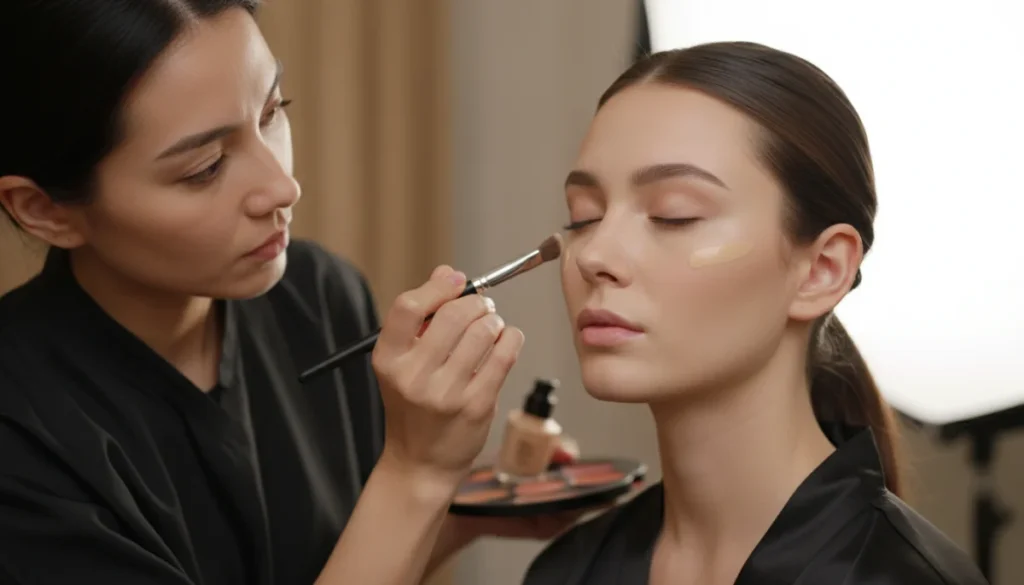
Executing skinimalism effectively requires a refined approach to product selection and layering. The technique begins with exceptional skin preparation, ensuring the face is properly hydrated and smoothed. Instead of traditional foundation, many professionals now reach for tinted moisturizers, serum-like formulations, or light-coverage concealers that allow skin to show through. The goal is not to create a flawless porcelain surface but to even out tone while preserving the skin’s natural character.
Strategic highlighting plays a crucial role in this approach. Rather than applying highlighter as a distinct step, professionals work luminous products into moisturizer or use subtle glow-enhancing primers. The effect mimics the skin’s own radiance, the kind of glow that comes from healthy, well-nourished skin rather than from shimmery powder sitting on top of the complexion.
- Use hydrating primers that smooth without creating heavy layers
- Choose buildable coverage products that allow skin texture to remain visible
- Apply concealer sparingly, focusing only on areas that truly need correction
- Set lightly with translucent powder or skip powder entirely for dewy finishes
The beauty of skinimalism lies in its adaptability. It works across age groups, skin types, and occasions. A bride seeking a natural wedding look, a professional needing a polished everyday appearance, or someone attending a casual weekend event can all benefit from this philosophy. The technique proves that makeup techniques need not be complicated to be effective.
Advertisement
Precision contouring: technology meets artistry
While skinimalism emphasizes minimalism, precision contouring represents the opposite end of the spectrum: maximum control through advanced understanding. This is not the heavy, obvious contouring that characterized the mid-2010s, where dramatic cheekbone shadows and jawline sculpting became almost theatrical. Instead, 2026’s precision contouring focuses on subtle, anatomical enhancement that appears entirely natural while still delivering visible definition.
The transformation in contouring methodology stems largely from improved education around facial structure. Beauty professionals now understand bone structure, muscle placement, and how light interacts with different face shapes. This knowledge allows them to place contour product exactly where shadows naturally fall, creating dimension without drawing attention to the makeup itself.
Digital tools have accelerated this evolution significantly. Several major beauty brands now offer apps that analyze facial structure through smartphone cameras, recommending optimal placement for contour, highlight, and blush. These tools do not replace artistic judgment but provide a valuable starting point, especially for professionals still developing their eye for facial mapping.
Executing precision contouring
The execution begins with thorough understanding of the specific face being worked on. No two faces are identical, and the best contouring adapts to individual bone structure rather than following a generic template. Professionals spend time analyzing how light falls on their subject’s face, often asking them to turn slightly in different directions to observe natural shadow patterns.
Product choice matters enormously in precision work. Cream formulations tend to offer the most control, allowing professionals to blend edges seamlessly and build intensity gradually. Powder contours work well for oily skin types but require more careful blending to avoid harsh lines. The key is building product slowly, checking the result in natural light, and adjusting as needed.
- Analyze facial structure before applying any product
- Identify natural shadow areas along cheekbones, jawline, and hairline
- Use cool-toned contour shades for natural shadow appearance
- Blend extensively, checking progress in multiple lighting conditions
- Apply minimal product initially and build gradually to avoid over-contouring
The ultimate goal of precision contouring is that distinctive quality professionals call “sculpted but not sculpted.” When executed perfectly, the viewer notices a more defined, polished appearance without being able to identify exactly what changed. This restraint distinguishes modern contouring from its heavier predecessors.
Adaptive formulations: makeup that responds to your environment
The third major development in contemporary makeup techniques involves a fundamental reimagining of what makeup products can do. Adaptive formulations represent the intersection of beauty and biotechnology, creating cosmetics that respond to environmental conditions, skin needs, or even emotional states. This represents perhaps the most significant technical advancement in the industry over the past several years.
The concept might sound like science fiction, but the reality is increasingly mainstream. Several major beauty brands have released products containing ingredients that react to body temperature, pH levels, or UV exposure. A foundation that appears slightly different on each person because it adapts to their unique skin chemistry has moved from novelty to standard offering in many professional kits.
Environmental responsiveness addresses a persistent challenge in makeup application: the disconnect between how products perform in controlled environments versus real-world conditions. A foundation that looks perfect in an air-conditioned studio may behave differently during an outdoor event in humid weather. Adaptive formulations aim to solve this problem by adjusting their properties based on surrounding conditions.
How adaptive products work
The technology behind adaptive formulations varies by product and brand. Some use temperature-sensitive ingredients that change texture or opacity in response to body heat. Others employ encapsulated pigments that release color more or less intensely based on moisture levels in the skin. Still others incorporate ingredients that literally reconfigure their molecular structure in response to environmental triggers.
For makeup professionals, these products offer valuable flexibility. They reduce the need for extensive product layering to address multiple concerns, since single products can now perform multiple functions. They also tend to be more forgiving, since adaptive properties help correct minor application errors. A slightly too-dark shade might adjust to match the skin more closely as the product warms and settles.
The sustainability angle also appeals to environmentally conscious consumers. Many adaptive formulations require less product to achieve desired results, since the products work more efficiently. Reduced packaging, longer product lifespan, and fewer total products needed in a routine all contribute to smaller environmental footprints.
Color matching evolution: beyond foundation shades
While not a distinct technique like the previous three, the evolution of color matching deserves attention as it underpins successful execution of all makeup techniques discussed above. The traditional approach of matching foundation to skin tone has expanded dramatically, encompassing undertones, depth, and increasingly sophisticated understanding of how color interacts with individual complexions.
Professional color matching in 2026 considers multiple factors that earlier generations of makeup artists largely ignored. Undertone analysis has become standard practice, distinguishing between warm, cool, and neutral variations that dramatically affect how different shades appear on the skin. Depth matching recognizes that skin tone exists on both vertical and horizontal spectrums, requiring products that address both dimensions simultaneously.
Technology has democratized sophisticated color matching. Apps that analyze skin and recommend precise shades have proliferated, helping consumers avoid the frustration of purchasing wrong shades repeatedly. Many brands now offer extended shade ranges that genuinely serve diverse populations rather than offering limited options adapted from a single base color.
The implications for home users are significant. Understanding color matching principles helps anyone apply makeup techniques more successfully. A flawless skinimalist finish requires the right shade. Precision contouring demands understanding which undertone creates natural-looking shadows. Adaptive formulations work best when matched to appropriate baseline colors.
Tool innovation: brushes, sponges, and beyond
No discussion of makeup techniques would be complete without acknowledging how application tools have evolved. The humble brush has undergone remarkable transformation, with synthetic bristles now rivaling natural hair in performance while offering ethical advantages. Sponges have proliferated into countless shapes, each promising specific benefits for particular application needs.
Electric and battery-powered tools have also gained serious professional acceptance. High-quality sonic makeup applicators, LED-infused devices, and precision grooming tools now appear regularly in professional kits. These tools do not replace skilled hands but augment them, offering capabilities that manual application cannot match.
For those developing their skills, tool education deserves attention alongside product knowledge. Understanding which brush works best for cream versus powder, how different sponge textures affect finish, and when to use fingers versus tools all contribute to successful makeup techniques execution. The best products in the world will not deliver their full potential when applied with inappropriate tools.
Sustainability and ethical considerations
The beauty industry in 2026 operates under increasing scrutiny regarding environmental and ethical practices. This awareness has influenced makeup techniques in multiple ways, from product formulation to packaging decisions to application philosophies. Conscious consumers increasingly expect their beauty choices to align with broader values, and professionals have responded accordingly.
Refillable products have moved from niche offering to mainstream availability. Major brands now design packaging specifically for reuse, reducing the environmental impact of continuous repurchase. Multi-use products that serve multiple purposes reduce total items needed, decreasing packaging waste and simplifying routines.
Cruelty-free and vegan formulations have become expected rather than exceptional. Brands that continue testing on animals or using animal-derived ingredients face significant consumer backlash. This shift has not compromised product quality; many cruelty-free options now perform as well as or better than traditional formulations.
The rise of skinimalism and minimalist approaches actually supports sustainability goals naturally. Using less product means fewer resources consumed, less packaging discarded, and potentially lower price points for consumers. This alignment between personal benefit and environmental responsibility appeals strongly to younger consumers who increasingly drive beauty trends.
| Technique | Core Philosophy |
|---|---|
| Skinimalism | Enhance natural skin texture with minimal, buildable products for radiant, authentic finishes |
| Precision Contouring | Anatomical enhancement using digital analysis and subtle placement for natural-looking dimension |
| Adaptive Formulations | Products that respond to environmental conditions and skin chemistry for consistent performance |
| Color Matching Evolution | Comprehensive analysis of undertones, depth, and individual complexion for precise shade selection |
What comes next
The makeup techniques defining 2026 reflect broader cultural shifts toward authenticity, personalization, and consciousness. These are not isolated trends but interconnected movements that will continue evolving. As technology advances and consumer preferences shift, we can expect further refinement of these approaches alongside entirely new methodologies that we have not yet imagined.
For beauty professionals and enthusiasts alike, staying informed about these developments offers more than competitive advantage. Understanding the reasoning behind popular makeup techniques helps individuals make choices that genuinely serve their needs rather than simply following hype. The industry will continue producing new products and methods, but the foundational principles driving current innovation—skin health, personalization, sustainability, and technological integration—will likely shape beauty practices for years to come.
The most successful makeup artists of this era combine technical skill with genuine understanding of what clients want: appearance enhancement that feels authentic, routines that fit comfortably into busy lives, and choices they can feel good about. These human elements remain constant even as specific techniques evolve. The makeup techniques trending now succeed because they address real needs, and that foundation ensures their relevance extends well beyond any single season.