Thrifting Designer Pieces: The Ultimate 2026 Guide to 70% Off
Advertisement
Finding designer pieces at 70% off through thrifting requires strategy, knowledge, and persistence. This comprehensive guide covers the best locations, authentication techniques, and timing secrets that experienced thrifters use to build wardrobes filled with luxury items without breaking the bank.
Thrifting Designer Pieces: Your Complete Guide to Finding Luxury at a Fraction of the Cost
The thrill of stumbling upon a designer piece at a thrift store is unmatched. What was once considered a hobby for budget-conscious shoppers has evolved into a legitimate shopping strategy that fashion enthusiasts swear by. In 2026, the art of thrifting designer items has reached new heights, with dedicated communities sharing tips, locations, and authentication tricks across social platforms.
Whether you are a seasoned thrifter or just beginning to explore the world of pre-owned luxury, this guide will equip you with the knowledge needed to find authentic designer pieces at prices that seem almost too good to be true. The strategies outlined here have been refined by experienced shoppers who have built impressive wardrobes while saving thousands of dollars.
Understanding the Thrifting Designer Landscape
The market for thrifted designer items has transformed dramatically over the past few years. What was once a treasure hunt with unpredictable results has become more systematic, thanks to better-organized thrift stores, dedicated online platforms, and a growing awareness of sustainable fashion. Understanding this landscape is the first step toward becoming a successful designer thrifter.
Physical thrift stores receive new inventory daily, but the selection varies significantly based on location, store type, and timing. High-end consignment shops in affluent neighborhoods tend to receive designer pieces more frequently, while standard thrift stores may require more patience but often yield incredible surprises. The key is knowing where to look and when to visit.
Advertisement
Online platforms have expanded the thrifting ecosystem beyond physical locations. Websites and apps dedicated to pre-owned designer items offer another avenue for finding luxury pieces, often with detailed descriptions and authentication services. However, the thrill of the hunt at physical locations remains unmatched for many enthusiasts.
Best Physical Locations for Designer Finds
Not all thrift stores are created equal when it comes to designer pieces. The location and type of store significantly impact what you will find. Understanding which stores consistently deliver the best results will save you time and increase your chances of scoring designer deals.
High-End Consignment Shops
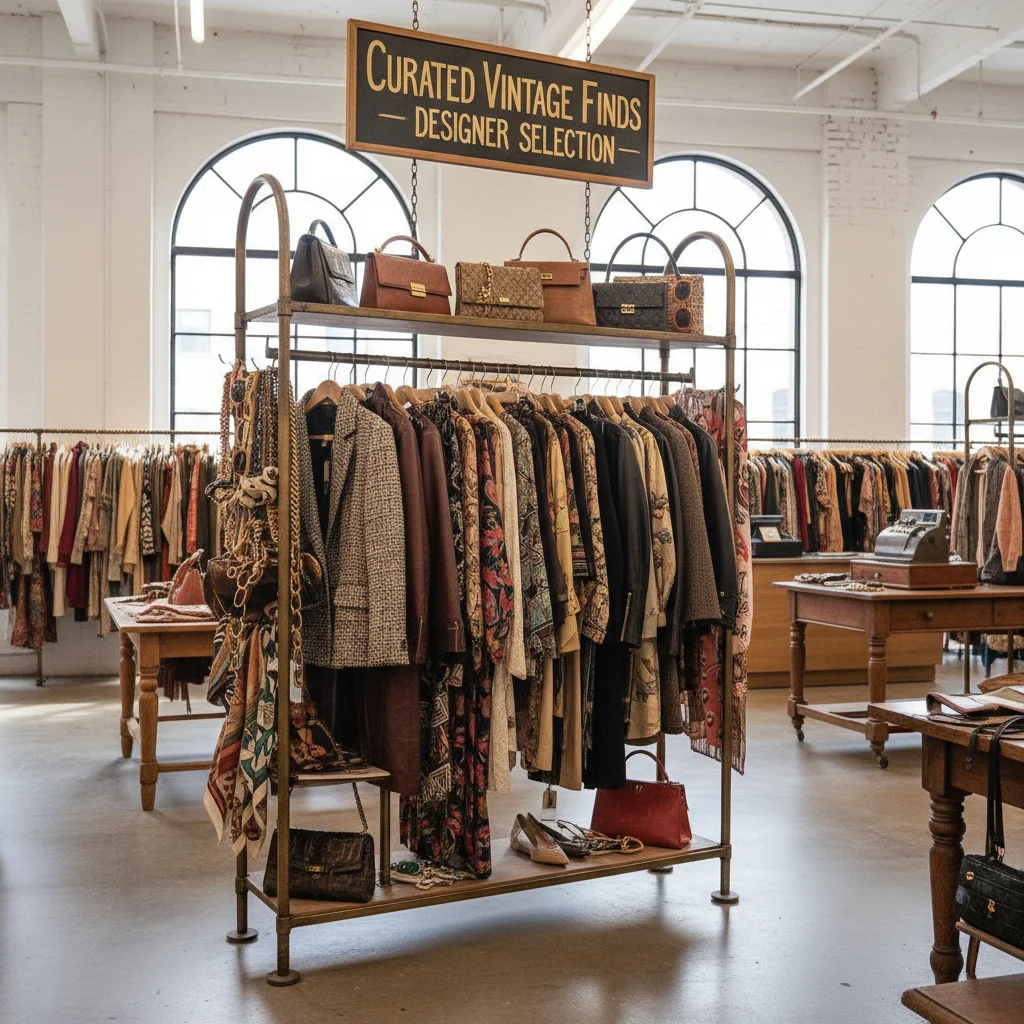
These stores specialize in accepting and reselling quality items, often with staff trained to recognize designer pieces. While prices are slightly higher than standard thrift stores, the selection of authentic designer items is typically superior. Many consignment shops carefully curate their inventory, making authentication easier for shoppers.
Advertisement
Estate Sales and Auctions
Estate sales offer access to curated collections from individuals who may have accumulated designer items over decades. These sales often include pieces that have never been worn or used, providing opportunities to find vintage designer items in pristine condition. Auctions can be more competitive but sometimes yield exceptional deals on items that sellers may not fully appreciate.
- Visit estate sales early for the best selection
- Research upcoming sales in affluent neighborhoods
- Build relationships with estate sale organizers
- Check online auction platforms for local listings
Mastering the Art of Authentication
Finding a designer piece is only half the battle. Ensuring its authenticity is crucial, especially when purchasing from less regulated sources. Developing authentication skills takes time, but these techniques will help you identify genuine luxury items with confidence.
Every designer brand has specific characteristics that distinguish authentic pieces from counterfeits. Examine stitching quality, hardware material, logo placement, and interior labeling. Authentic designer items typically feature precise construction with no loose threads or uneven stitching. The hardware should feel substantial and properly engraved with brand markings.
Learning about specific brand signatures takes research but pays dividends. Louis Vuitton, for example, uses specific date codes and has particular characteristics in their leather and canvas. Chanel features serial numbers that correspond to specific time periods. Gucci items include serial numbers and authenticity cards. Familiarize yourself with these details before heading out to thrift.
When in doubt, consider consulting professional authentication services or bringing someone with expertise. Many designer enthusiasts have built their skills through trial and error, examining countless pieces until they can spot fakes almost instantly. Practice makes perfect in the world of designer thrifting.
Timing Your Thrifting Trips Strategically
When you shop matters as much as where you shop. Understanding the rhythm of thrift store inventory can significantly impact the quality and quantity of designer pieces you find. Stores typically receive new items on specific days, and knowing these patterns gives you a competitive advantage.
Best Days and Times to Shop
Most thrift stores restock early in the week, typically Monday through Wednesday. This is when fresh inventory hits the floor after weekend donations. Shopping early in the morning, shortly after stores open, provides first access to new items before other shoppers arrive.
Seasonal Strategies
Spring and fall tend to bring increased donations as people clean out closets during seasonal transitions. January is particularly fruitful as people purge items after the holidays. Understanding these patterns helps you plan your thrifting calendar for maximum results.
- Monday and Tuesday mornings offer freshest inventory
- January brings post-holiday donation surges
- End-of-season sales at department stores lead to donation increases
- Weekends bring more competition but also more selection
Building Relationships with Store Staff
The relationships you build with thrift store employees can dramatically improve your thrifting success. Staff members often know when valuable items arrive and may set aside pieces for regular customers. Developing these connections requires consistent visits and genuine appreciation for their work.
Get to know the managers and long-term employees at your favorite stores. Ask about their restocking schedule and express interest in designer items. Some stores even have systems for notifying regular customers about incoming high-value pieces. Being friendly and respectful goes a long way in building these valuable relationships.
Consider volunteering or donating items to stores you frequent. This not only supports organizations you care about but also provides opportunities to browse new arrivals before they hit the sales floor. Many thrift stores appreciate dedicated volunteers and may offer early access or special perks.
Online communities have become valuable resources for connecting with fellow thrifters. Many enthusiasts share tips about specific stores, staff members, and inventory patterns. Participating in these communities helps you stay informed about the best opportunities in your area.
Online Platforms for Designer Thrifting
The digital marketplace has revolutionized how we find and purchase pre-owned designer items. Numerous platforms now connect sellers with buyers seeking authentic luxury pieces at reduced prices. Understanding how to navigate these platforms effectively opens up vast new possibilities.
Specialized Resale Platforms
Platforms like The RealReal, Vestiaire Collective, and Poshmark specialize in designer items, offering authentication services that provide peace of mind. While prices may be higher than garage sales, the verification process reduces risk significantly. These platforms often feature detailed condition descriptions and multiple photos.
Auction and Bidding Sites
Online auctions can yield exceptional deals on designer items, particularly estate sales and liquidations. Sites like eBay and specialized auction platforms offer access to items that sellers may not have priced competitively. Bidding strategies require patience and research, but savings can be substantial.
- Verify seller ratings and reviews before purchasing
- Request additional photos when listings are unclear
- Understand return policies and authentication guarantees
- Compare prices across multiple platforms before buying
Maximizing Your Designer Wardrobe
Building a cohesive designer wardrobe through thrifting requires more than just finding individual pieces. Strategic thinking about how items work together maximizes the value of each find and creates a versatile, high-quality collection that serves your personal style.
Focus on timeless pieces that transcend seasonal trends. Classic designer items like tailored blazers, quality leather bags, and well-constructed coats provide lasting value and versatility. These foundational pieces can be mixed and matched with more affordable items to create numerous outfit combinations.
Consider the cost-per-wear calculation when evaluating potential purchases. A designer coat that costs more upfront but lasts for decades may actually be more economical than cheaper alternatives that need frequent replacement. Quality construction and premium materials typically justify higher price points, even at thrift store prices.
Storage and care significantly impact the longevity of your thrifted designer items. Proper cleaning, storage, and maintenance preserve both appearance and value. Many designer pieces benefit from professional cleaning and conditioning, particularly leather goods and delicate fabrics.
Common Thrifting Mistakes to Avoid
Even experienced thrifters make mistakes that cost them money or lead to poor purchases. Understanding these common pitfalls helps you avoid them and become a more effective shopper. Learning from others’ errors accelerates your path to thrifting success.
Overlooking Condition Issues
Excitement about finding a designer piece can lead to overlooking damage or excessive wear. Always examine items carefully before purchasing, checking for stains, tears, missing buttons, and worn areas. Some issues can be repaired economically, while others may make purchases unworthy of the investment.
Ignoring Proper Fit
Fashion enthusiasts sometimes convince themselves they can alter items to fit properly. While tailoring can adjust some aspects of clothing, significant modifications may cost more than the item’s value. Be realistic about what works for your body type and wardrobe needs.
- Always inspect zippers, seams, and linings thoroughly
- Research typical prices before making purchases
- Avoid impulse buys by sleeping on decisions
- Understand each brand’s sizing variations
| Strategy | Impact |
|---|---|
| Strategic Timing | Visit stores Monday-Tuesday mornings for fresh inventory |
| Location Research | Focus on affluent neighborhoods and consignment shops |
| Authentication Skills | Learn brand-specific details to identify genuine pieces |
| Relationship Building | Connect with staff for early access to designer items |
What Comes Next
The practice of thrifting designer pieces continues to evolve as more consumers seek sustainable fashion options and intelligent ways to build quality wardrobes. The strategies that work today will continue to yield results as the market adapts to growing interest in pre-owned luxury items.
Technology is increasingly influencing how we find and authenticate thrifted items. Apps that help identify designer pieces, verify authenticity, and compare prices are becoming more sophisticated. Embracing these tools while maintaining the fundamental skills of patient searching and careful examination will position you for continued success.
The community aspect of designer thrifting grows stronger each year. Online forums, social media groups, and local meetups connect enthusiasts who share knowledge, tips, and discoveries. Engaging with these communities provides ongoing education and support for your thrifting journey.
Start implementing these strategies today, and watch your wardrobe transform while your savings grow. The hunt for designer treasures awaits.