Smart Storage Solutions: 9 Ways to Declutter Your Home in 3 Days
Advertisement
Smart storage solutions: 9 ways to declutter your home in 3 days
Most homeowners face the same frustrating reality: belongings accumulate faster than storage space expands. The good news is that transforming a chaotic environment into an organized sanctuary doesn’t require professional help or expensive renovations. With the right smart storage solutions, you can achieve remarkable results in just three days.
This comprehensive guide walks you through practical strategies that address common clutter hotspots while maximizing your existing space. Whether you’re dealing with a cramped apartment or a sprawling house, these approaches adapt to your specific needs and budget.
Understanding the psychology behind effective organization
Before diving into specific storage products and techniques, it’s essential to understand why some organization methods succeed while others fail within weeks. Research in environmental psychology suggests that visual clutter creates constant low-grade stress, even when we consciously ignore it. The goal isn’t just to hide possessions but to create systems that feel intuitive and sustainable.
Successful organization starts with honest assessment. Walk through each room and identify not just what you own, but how you actually live. The items you reach for daily deserve prime real estate near their point of use. Seasonal belongings belong in harder-to-reach locations. This fundamental principle guides every smart storage solution worth implementing.
Many people make the mistake of purchasing organizational products before understanding their specific needs. This approach often leads to expensive containers that don’t fit the items or the space. Instead, begin by sorting possessions into three categories: keep, donate, and discard. This process alone can free up 30-40% more space than you currently use.
Advertisement
Modular shelving: the foundation of smart storage solutions
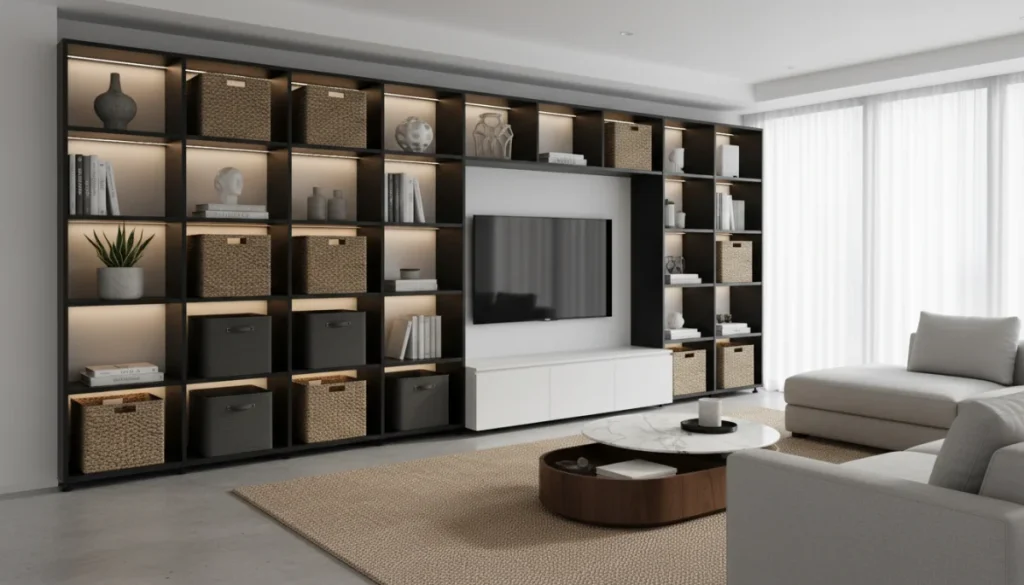
When evaluating smart storage solutions for any room, modular shelving systems deserve priority attention. Unlike fixed built-ins, modular units adapt to your changing needs and can grow alongside your lifestyle. The best systems combine open display spaces with closed storage, allowing you to show decorative items while concealing everyday essentials.
Choosing the right system for your space
Consider wall-mounted options if floor space is limited. Floating shelves create visual interest without overwhelming small rooms. For larger areas, freestanding modular units offer greater flexibility and can serve as room dividers. Look for systems with adjustable shelf heights, as item sizes change over time.
- Wall-mounted shelves maximize floor space while providing accessible storage
- Freestanding units work well in living rooms and bedrooms
- Cubby systems offer customizable configurations for various item sizes
- Corner shelves utilize often-wasted vertical space
The material matters significantly for longevity and aesthetics. Metal frames with wood shelves offer industrial modern appeal and exceptional durability. Solid wood units bring warmth to traditional spaces but require larger investments. Pressboard options work budget-conscious shoppers but may not withstand heavy loads or humid environments.
Advertisement
Vertical space: the overlooked dimension in home organization
Most homes waste significant vertical real estate. Walls above eye level remain bare while floor space becomes increasingly cluttered. Smart storage solutions leverage this untapped dimension effectively. Tall bookcases, floor-to-ceiling cabinets, and overhead garage storage systems transform previously wasted space into functional storage.
In kitchens, installing hooks or rails on walls and inside cabinet doors creates additional hanging storage for mugs, pots, and utensils. Bathroom organization benefits enormously from vertical strategies, with over-toilet cabinets and tall narrow dressers providing substantial storage without consuming precious floor space.
Bedrooms present perhaps the greatest opportunity for vertical storage optimization. High closet rods with double-hang systems effectively double hanging capacity. Bed risers create space for under-bed storage containers, perfect for seasonal clothing or extra linens. The key is accessing areas that don’t interfere with daily activities while remaining reachable when needed.
Multi-functional furniture: style meets practicality
Modern smart storage solutions increasingly blur the line between furniture and organization systems. Ottoman benches with hidden storage serve as seating, coffee tables, and clutter concealments simultaneously. Storage beds with built-in drawers eliminate the need for separate dresser space in smaller bedrooms.
When selecting multi-functional pieces, prioritize quality construction over maximum features. A well-built storage ottoman lasts decades, while a cheaply made version may collapse under regular use. Examine hardware, joinery, and material thickness before purchasing. The initial investment pays dividends through years of reliable service.
Consider your specific lifestyle when evaluating these pieces. Families with young children benefit from toy chests with safety lids and rounded corners. Home office workers need desks with integrated cable management and file storage. The best multi-functional furniture solves your particular challenges rather than generically adding storage.
Clear container systems: visibility reduces clutter psychology
There’s a reason professional organizers consistently recommend clear containers: visibility eliminates the cognitive load of remembering what’s stored where. When you can see contents at a glance, you use items more effectively and avoid purchasing duplicates. This simple principle makes clear containers among the most impactful smart storage solutions available.
Implementing container systems effectively
Start with frequently accessed areas like pantries and closets. Uniform containers create visual harmony that feels intentional rather than chaotic. Match container sizes to the items stored—small containers for craft supplies, large bins for blankets. Avoid overfilling containers, as this defeats the visibility advantage.
- Uniform clear containers create cohesive aesthetic
- Label every container for household member accessibility
- Match container size to stored items for efficiency
- Stackable designs maximize shelf and cabinet space
Labeling completes the container system. Even if contents seem obvious to you, labels help other household members maintain organization. Handwritten labels on masking tape work for temporary solutions, while printed labels or label makers create permanent, professional results. Update labels whenever container contents change.
Entryway transformation: controlling the clutter gateway
The entryway sets the tone for entire homes. When this transition space stays chaotic, the disorganization tends to spread throughout living areas. Smart storage solutions for entryways must accommodate daily traffic patterns while providing immediate organization for incoming items.
Bench seating with shoe storage underneath addresses multiple needs simultaneously. Family members can sit while removing shoes, and storage cubbies keep footwear contained rather than scattered. Wall hooks or a coat rack handle outerwear without requiring closet space. A small table or tray near the door provides a designated spot for keys, mail, and other daily essentials.
Establish clear systems for different item categories. Incoming mail needs immediate sorting—recycle, file, or action. Seasonal items rotate regularly. Children’s items for different activities stay separate but accessible. The goal is creating a drop zone that eliminates the “where did I put that” frustration that leads to duplicated purchases.
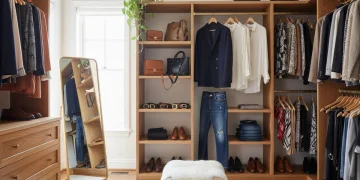
Closet optimization: maximizing your wardrobe storage
Closets often represent the most challenging storage puzzle in homes. Standard closet systems rarely match actual wardrobe needs, leaving valuable space unused while clothes pile up in dresser drawers or on chairs. Smart storage solutions for closets require customization to individual wardrobes and lifestyle patterns.
Begin by removing everything and evaluating what you actually wear. Statistics consistently show that most people wear only 20% of their wardrobe 80% of the time. Donating or selling unworn items creates immediate space and simplifies daily decisions. The remaining items deserve efficient, accessible storage.
Invest in quality hangers that save space and preserve garment shape. Velvet hangers grip effectively while slim profiles maximize rod capacity. Specialty hangers for pants, scarves, and belts utilize vertical space efficiently. Adjust closet rod heights to accommodate different garment lengths—the space above short items often goes completely unused.
Kitchen organization: streamlining the heart of the home
Kitchens demand some of the most thoughtful smart storage solutions because they combine diverse item categories with limited space and frequent use. Poor kitchen organization creates daily frustration and wasted food from forgotten items expiring in crowded cabinets.
Pull-out shelves and drawers transform deep cabinets from inaccessible storage into easily reachable organization systems. These relatively simple additions eliminate the dangerous practice of climbing on counters or crawling into cabinets to retrieve items. While professional installation adds cost, many homeowners successfully install basic pull-out systems as weekend projects.
Spice organization often receives insufficient attention despite daily cooking impact. Magnetic spice jars on refrigerator sides or dedicated wall-mounted racks keep frequently used seasonings visible and accessible. Clear spice containers with consistent labels eliminate the frustration of searching through cabinet drawers. Consider which spices you use most often and place them nearest to cooking stations.
Garage and basement: conquering the final frontiers
Garages and basements typically become catch-all spaces where items go to be forgotten. Smart storage solutions in these areas require different approaches than living spaces due to temperature fluctuations, humidity, and dust. However, these areas also offer the greatest potential for reclaiming valuable square footage.
Ceiling-mounted storage racks utilize overhead space that’s otherwise completely wasted. These systems handle seasonal items, holiday decorations, and rarely-used equipment effectively. Wall-mounted pegboard provides flexible tool storage that keeps everything visible and accessible. Heavy-duty shelving units accommodate bins, boxes, and larger items.
Zone your garage storage logically. Sports equipment belongs together near garage doors for easy loading. Garden tools stay near exterior doors. Holiday items pack into clearly labeled bins stored in the least-accessible area. This systematic approach makes finding items effortless and returning them intuitive.
| Storage Strategy | Best Application |
|---|---|
| Modular Shelving | Living rooms, offices, and versatile display needs |
| Vertical Systems | Kitchens, bathrooms, and space-limited areas |
| Clear Containers | Pantry, closet, and craft organization |
| Multi-functional Furniture | Small spaces requiring dual-purpose solutions |
What comes next: maintaining your organized space
Implementing smart storage solutions provides immediate transformation, but long-term success requires ongoing attention. Schedule monthly “organization check-ins” to return items to proper places and address emerging clutter. These brief sessions prevent the gradual drift back toward chaos that afflicts so many well-intentioned organization projects.
Teach household members the systems you’ve created. Even children as young as three can learn to return toys to designated containers. When everyone participates, maintenance becomes effortless. The initial three-day investment creates habits that sustain organization indefinitely.
As lifestyles change, your smart storage solutions should evolve accordingly. A system designed for a couple may need modification after children arrive. Remote work adjustments may require home office reorganization. Treat organization as an ongoing relationship rather than a one-time project, and your home will remain a sanctuary rather than a storage facility.