Luxury Bag Trends 2026: 7 Designer Bags Worth the Investment
Advertisement
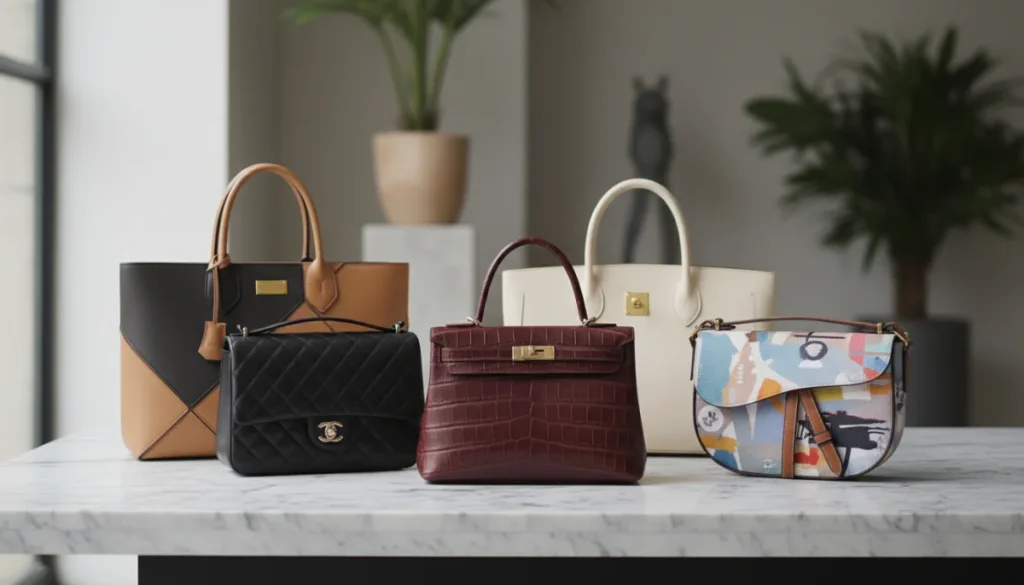
The luxury bag market in 2026 is defined by bold returns of heritage silhouettes, sustainable innovation, and unexpected material combinations. This guide analyzes seven key luxury bag trends that balance timeless craftsmanship with contemporary relevance. Readers will discover which investment pieces offer the strongest value retention and how to curate a collection that transcends seasonal fluctuations.
Luxury bag trends 2026: The designer bags worth your investment
The landscape of luxury bags has shifted dramatically as we move through 2026. What began as a post-pandemic reawakening has matured into a sophisticated marketplace where heritage craftsmanship meets bold new aesthetics. If you are considering adding to your collection or entering the world of luxury bag investments, understanding the prevailing luxury bag trends becomes essential.
This year, major houses and emerging designers alike are reimagining what a luxury bag can be. From the resurgence of structured silhouettes to the rise of modular designs that adapt to multiple occasions, the market offers more variety than ever before. The key lies in identifying which luxury bag trends deliver both immediate style impact and long-term value retention.
The return of structured elegance
After years of soft, slouchy designs dominating the market, 2026 marks a definitive shift back toward architectural shapes. The structured tote and rigid frame bags that defined earlier decades are reemerging with modern interpretations that feel fresh rather than retro.
This return to form reflects a broader cultural moment where stability and permanence feel increasingly valuable. The clean lines and defined edges of structured bags communicate confidence in a way that feels appropriate for current times. Major houses have taken notice, with several launching revamped versions of their iconic structured styles.
Advertisement
Why structured bags matter in 2026
The appeal extends beyond aesthetics. Structured bags typically maintain their shape better over time, preserving their value in the secondary market. This practical consideration makes them attractive to investors who view luxury bags as assets rather than purely consumable fashion items.
- Superior shape retention over years of regular use
- Higher resale value due to maintained structural integrity
- Versatile enough for both professional and evening settings
- Strong historical precedent for value appreciation
The structured bag trend represents a convergence of aesthetic preference and practical wisdom. Those investing in quality pieces from this category position themselves well for future returns while enjoying immediate versatility in their wardrobe.
Sustainable luxury takes center stage
Environmental consciousness has moved from a niche concern to a central pillar of luxury bag trends in 2026. Today’s discerning buyers demand transparency about materials sourcing, manufacturing processes, and the environmental footprint of their purchases. Luxury houses have responded with unprecedented commitments to sustainability without compromising on quality.
Advertisement
This shift manifests in multiple ways across the market. Some brands have introduced entirely new lines crafted from innovative materials like mushroom leather, recycled ocean plastics, and plant-based alternatives that mimic the look and feel of traditional luxury materials. Others have doubled down on their use of responsibly sourced leather, ensuring traceability from farm to finished product.
What sustainable luxury means for investors
The sustainability angle adds another dimension to investment considerations. Bags produced with certified sustainable practices often carry stories that enhance their appeal in the secondary market. Collectors increasingly seek pieces that align with their values, creating demand for sustainable luxury bag trends.
Several factors make sustainable pieces attractive investments. First, limited production runs due to more resource-intensive manufacturing create natural scarcity. Second, the emotional value associated with responsible purchasing decisions supports premium pricing. Finally, as sustainability becomes the standard rather than the exception, early adoption of these practices positions certain pieces as pioneering examples of the movement.
Micro-bags evolve into functional art
The micro-bag phenomenon that captured attention in previous years has not disappeared but rather transformed. In 2026, we see luxury bag trends embracing smaller silhouettes while addressing the practical criticisms that plagued earlier iterations. The result is a new category of compact pieces that function as statement accessories rather than practical carriers.
These miniature bags have evolved into objects of desire that serve different purposes than their larger counterparts. They work as evening accessories, complementing formal attire without competing for attention. Some collectors purchase them specifically as investment pieces, betting on the continued appreciation of these limited-production items.
The market has responded with creative solutions that maintain the aesthetic appeal while adding functionality. Convertible designs allow micro-bags to transform into larger pieces, addressing practical concerns while preserving the visual impact. Chain attachments and innovative carrying methods have expanded their versatility beyond pure decoration.
Heritage revivals with contemporary twists
One of the most significant luxury bag trends of 2026 involves the reimagining of archival designs. Houses with rich histories are drawing inspiration from their own pasts, releasing updated versions of discontinued styles and vintage-inspired pieces that resonate with both longtime collectors and new audiences.
This phenomenon reflects a broader appreciation for heritage and craftsmanship. Buyers recognize that historical designs carried the test of time for good reason—their proportions work, their materials age beautifully, and their aesthetic appeals across generations. By reviving these designs with modern manufacturing techniques and contemporary colorways, brands offer the best of both worlds.
The investment case for heritage revivals proves particularly strong. Limited production runs combined with historical significance create pieces that appreciate quickly after initial release. Secondary market prices for certain revivals have already exceeded original retail prices within months of launch, demonstrating robust demand.
Bold color statements replace neutral foundations
For several seasons, neutral tones dominated luxury bag selections. The market pendulum has swung dramatically in 2026, with bold colors emerging as a defining characteristic of the year’s luxury bag trends. From vibrant reds and electric blues to unexpected combinations like purple and orange, chromatic confidence defines the current moment.
This shift represents more than aesthetic preference. Color choices in luxury bags often signal broader cultural attitudes. The move toward bold expression suggests a collective desire for self-affirmation and individual expression following years of uncertainty. These pieces serve as conversation starters and personal statements.
For investors, color strategy requires careful consideration. While neutral bags maintain broader appeal, statement colors occasionally appreciate significantly when specific shades become defining of an era. The key lies in selecting colors that feel both timely and timeless—bold without being tied too specifically to current moments.
Artisanal craftsmanship as differentiator
In an age of mass production, the value of handcrafted luxury has only increased. The luxury bag trends of 2026 emphasize artisanal techniques that cannot be replicated by machines. Hand-stitching, hand-painted details, and one-of-a-kind embellishments distinguish exceptional pieces from standard production items.
This emphasis on craftsmanship connects to deeper desires for authenticity and uniqueness. Buyers increasingly recognize that truly exceptional bags require significant time and skill to produce. The human element adds value beyond mere materials, creating pieces that carry the maker’s touch and artistic vision.
Investment-grade pieces in this category often feature extended production times and waiting lists. The scarcity created by artisanal production methods naturally supports premium pricing. For collectors, acquiring these pieces requires patience and often established relationships with brands or specialized retailers.
Technology integration meets traditional luxury
Perhaps the most forward-looking of the luxury bag trends involves thoughtful integration of technology. This does not mean screens embedded in handbags or overly futuristic designs. Rather, we see subtle technological enhancements that improve functionality without compromising aesthetic integrity.
Features like built-in tracking devices, wireless charging capabilities, and smart compartmentalization address modern needs while maintaining the luxurious feel that defines the category. These innovations respond to how people actually use their bags in daily life, adding practical value to aesthetic appeal.
The technology angle represents an evolution rather than a revolution. Luxury houses approach this integration carefully, ensuring that technological features enhance rather than detract from the traditional luxury experience. Early implementations suggest this trend will accelerate, with more sophisticated features emerging in coming seasons.
| Trend Category | Investment Potential |
|---|---|
| Structured Elegance | High – strong shape retention and timeless appeal |
| Sustainable Luxury | Growing – increasing collector interest in eco-conscious pieces |
| Heritage Revivals | Very High – limited releases with strong historical significance |
| Bold Color Statements | Moderate – timing critical for maximum appreciation |
What comes next for luxury bag collectors
The luxury bag trends emerging in 2026 suggest a market maturing toward thoughtful curation rather than impulsive accumulation. Collectors increasingly recognize that exceptional pieces require research, patience, and strategic selection. The convergence of sustainability, craftsmanship, and innovative design creates opportunities for those willing to invest wisely.
Looking ahead, the market will likely continue evolving toward pieces that balance multiple benefits: aesthetic appeal, practical functionality, ethical production, and investment potential. The luxury bag trends we see today provide a framework for understanding which pieces will hold and grow their value over time.
For those entering the market or expanding existing collections, the key lies in focusing on quality over quantity. Selecting pieces that embody the best of current luxury bag trends while maintaining personal relevance ensures enjoyment today while positioning for future appreciation. The most successful collectors approach acquisition as curation, building coherent collections that reflect both market understanding and individual taste.