Kids GPS Tracker: 4 Key Features for Child Safety in 2026
Advertisement
A kids GPS tracker provides peace of mind for parents navigating the challenges of keeping children safe in today’s fast-paced world. The most important features to evaluate include real-time location accuracy, reliable geofencing alerts, extended battery performance, and an intuitive mobile application. This guide examines each feature in detail to help parents select the most appropriate device for their family’s needs.
Kids GPS tracker: 4 key features every parent should consider
The question of how to keep children safe while granting them appropriate independence ranks among the most pressing concerns for parents in 2026. Technology has responded with an array of GPS tracking devices designed specifically for young users, from wrist-worn watches to discreet clips and smartphone applications. Selecting the right kids GPS tracker requires understanding which features genuinely enhance safety and which represent marketing hype.
This examination breaks down the four most critical capabilities that distinguish effective tracking devices from less reliable options. By focusing on these fundamental elements, parents can make purchasing decisions that align with their specific safety requirements and lifestyle considerations.
Real-time location tracking: The foundation of child safety
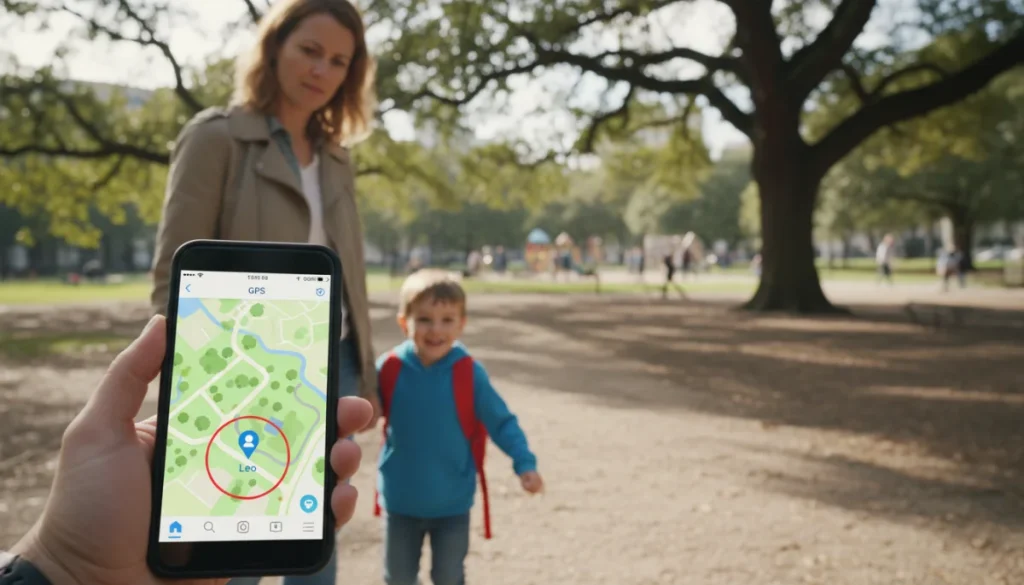
At the core of any kids GPS tracker lies its ability to determine and transmit the child’s current position. Modern devices employ multiple positioning technologies, typically combining GPS satellites for outdoor accuracy with Wi-Fi positioning and cellular tower triangulation for indoor and urban environments. The precision of this location data directly impacts how quickly parents can respond to emergencies or locate missing children.
Location refresh rates vary significantly across devices and subscription tiers. Some trackers update position every few seconds, while others may operate on minute-long intervals. Parents should consider their specific needs when evaluating this specification.
Advertisement
Understanding positioning accuracy
GPS accuracy in optimal conditions can reach within five meters of the actual position, though urban environments with tall buildings or dense tree cover can degrade performance. Many modern kids GPS tracker devices supplement satellite data with ground-based signals to maintain reliability across varied conditions. The best performing devices achieve accuracy within ten meters approximately ninety-five percent of the time during normal use.
Parents should also consider how quickly a device acquires its first position fix after being turned on. Some trackers require several minutes to establish a satellite connection, while others leverage assisted GPS technology to reduce this delay to seconds.
- Multi-constellation GPS support improves outdoor accuracy in challenging environments
- Wi-Fi positioning provides reliable indoor location data when GPS signals are unavailable
- Cellular triangulation offers backup positioning when primary methods fail
- Lower location refresh rates conserve battery but may miss brief movements between updates
The integration of these technologies determines how trustworthy the location data proves during critical moments. Parents benefit from selecting devices that automatically select the most appropriate positioning method based on current conditions rather than requiring manual adjustment.
Advertisement
Geofencing capabilities: Creating virtual safety boundaries
Geofencing transforms a simple kids GPS tracker into an active safety system by allowing parents to define geographical boundaries around significant locations. When the child enters or exits these preset areas, the device immediately notifies the parent’s smartphone. This automated alerting removes the need for constant manual checking while ensuring parents remain informed about their child’s movements.
Common geofence locations include the child’s school, home address, relatives’ houses, and regular activity zones like sports facilities or friend’s homes. Most devices support multiple simultaneous geofences, enabling comprehensive coverage of the child’s routine locations.
Configuring effective safety zones
Effective geofencing requires appropriate zone sizing. Setting boundaries too large defeats the purpose of detecting meaningful location changes, while excessively small zones may trigger false alarms due to GPS positioning variances. Most experts recommend establishing zones with at least fifty to one hundred meter radii to balance sensitivity with practical accuracy.
Notification preferences represent another important configuration choice. Parents can typically select whether to receive alerts for entry, exit, or both. Some devices offer graduated alerting, providing a warning when the child approaches a boundary before confirming actual crossing. This advanced feature helps parents anticipate movements rather than simply reacting to them.
The most sophisticated kids GPS tracker systems now incorporate arrival prediction, using historical movement patterns to estimate when the child will reach destination. This capability proves particularly valuable for parents awaiting school dismissals or activity completions, providing approximate arrival times rather than just binary arrival notifications.
Battery performance: Ensuring continuous protection
A GPS tracker that loses power provides no protection when needed most. Battery longevity varies dramatically across devices, ranging from less than twenty-four hours for feature-rich smartwatches to several weeks for simpler dedicated trackers. Understanding typical usage patterns and charging convenience helps parents select devices that match their maintenance preferences.
Device form factor significantly influences battery capacity. Wrist-worn trackers typically accommodate larger batteries than clip-on or pendant-style devices, though this advantage may be offset by power-hungry display screens and continuous heart rate monitoring features that users rarely require for basic location tracking.
Factors affecting battery consumption
Location update frequency represents the primary battery drain for any kids GPS tracker. Devices set to update every few seconds consume substantially more power than those operating on minute-long intervals. Parents must balance their need for real-time information against the inconvenience of more frequent charging requirements.
Cellular connectivity also significantly impacts power consumption. Devices operating on faster 4G or 5G networks may use more energy than those relying on older 3G technology, though the performance difference rarely justifies the additional power draw for basic location tracking. Some devices offer configurable network modes, allowing parents to prioritize either performance or endurance.
- Average battery life ranges from one day to three weeks depending on device type and settings
- Power-saving modes typically reduce location update frequency to extend runtime
- Quick charging capabilities reduce downtime during necessary recharging sessions
- Replaceable batteries offer indefinite device longevity but may require additional purchases
Low battery alerts provide essential notification before the device powers down completely. Parents should ensure these notifications reach them reliably, as a dead kids GPS tracker offers no safety benefits regardless of its capabilities when operational.
Companion application functionality: Managing the safety ecosystem
The software connecting parents to their kids GPS tracker often determines the overall user experience more than the hardware specifications. A well-designed companion application transforms complex location data into actionable information while remaining simple enough for quick daily use. Evaluating application functionality before purchase helps prevent frustration after bringing the device home.
Interface design varies considerably across manufacturers, with some prioritizing minimalist displays while others pack extensive features into visually busy screens. Parents should consider whether they prefer quick glance access to basic information or comprehensive dashboards with historical tracking data and detailed analytics.
Essential app features for parents
Instant location viewing ranks as the most fundamental application capability. The interface should display the child’s current position within seconds of opening the app, ideally overlaid on a recognizable map with clear landmark identification. Some applications offer street view integration, providing visual confirmation of the reported location.
Location history tracking enables parents to review where their child has been throughout the day or week. This feature proves valuable for verifying reported activities, identifying patterns in movement, or investigating unexpected location data. Most applications store this history for thirty to ninety days, though premium subscription tiers may extend retention periods.
Multi-user access allows both parents, extended family members, or caregivers to monitor the child’s location through their own connected devices. This collaborative approach ensures consistent supervision regardless of which family member is currently responsible for the child’s oversight.
Battery level monitoring prevents the common frustration of discovering a dead device only when needing its functionality. The application should prominently display remaining battery percentage and provide configurable low battery warnings at user-defined thresholds.
Additional considerations for informed decisions
Beyond the four primary features, several supplementary factors influence which kids GPS tracker best serves a family’s needs. Subscription costs represent an ongoing expense that can exceed the initial device purchase price over typical two to three year usage periods. Different carriers and manufacturers offer varying monthly fees, with some providing tiered plans based on feature access or data usage.
Device durability matters significantly for active children. Water resistance ratings indicate the device’s ability to survive splashes, rain, or brief submersion. Impact resistance specifications reveal whether the tracker can withstand drops onto hard surfaces. Parents of younger children should prioritize ruggedized designs that tolerate rough handling.
Comfort and acceptance affect whether children actually wear the device consistently. Bulky or uncomfortable trackers often end up discarded in drawers, providing no safety benefit. Involving children in device selection when appropriate can improve acceptance and responsibility for the device’s care.
Privacy considerations have become increasingly important as these devices collect sensitive location data. Parents should research manufacturer data practices, understanding how location information is stored, shared, and protected. Selecting devices from reputable companies with clear privacy policies helps minimize risks associated with storing children’s whereabouts data.
What comes next
The landscape of kids GPS tracker technology continues evolving rapidly, with artificial intelligence integration promising more intelligent alerting that reduces false alarms while improving genuine emergency detection. Emerging devices are beginning to incorporate biometric sensors that may eventually detect falls or other emergencies automatically, adding another layer of protective capability beyond passive location monitoring.
Regulatory attention to children’s data privacy will likely increase, potentially introducing stricter requirements for how companies handle location information collected from minors. Parents should remain informed about these developments and be prepared to adjust their device choices or settings as new standards emerge.
As children mature, their tracking needs evolve. Parents should periodically reassess whether their current kids GPS tracker remains appropriate or whether transitioning to less intrusive supervision methods better serves both safety and developing independence.
| Feature | Why It Matters |
|---|---|
| Real-time location tracking | Provides immediate position data using GPS, Wi-Fi, and cellular triangulation for accurate child location in any environment |
| Geofencing capabilities | Creates virtual safety boundaries around home, school, and other important locations with automatic entry and exit alerts |
| Battery performance | Determines how long the device operates between charges, with options ranging from daily charging to multi-week endurance |
| Companion app functionality | Transforms raw location data into actionable information through intuitive interfaces with history tracking and multi-user access |
Impact and implications
Selecting the right kids GPS tracker requires balancing technical capabilities against practical considerations like battery life, comfort, and ongoing subscription costs. The four features examined in this guide—real-time tracking, geofencing, battery performance, and application functionality—form the foundation of effective child location monitoring. Parents who prioritize these elements will find devices that genuinely enhance safety rather than providing false security through unreliable technology.
As the market matures, expect continued refinement of these core features alongside emerging capabilities that leverage artificial intelligence and advanced sensors. The goal remains constant: providing parents with reliable tools that support children’s safety while respecting their growing need for independence and privacy.