Fashion Trend Forecasting: 8 Styles Dominating Next Quarter
Advertisement
Fashion trend forecasting reveals eight dominant styles emerging for the next quarter. These predictions, based on runway analysis and consumer behavior data, highlight shifts toward sustainability, bold expressions, and nostalgic revivals. Retailers and fashion enthusiasts can leverage these insights to stay ahead of market demands.
Fashion trend forecasting: 8 styles predicted to dominate next quarter
The fashion industry moves fast, and staying ahead requires understanding what is coming before it hits mainstream retail. Through careful analysis of runway shows, fabric innovations, and shifting consumer preferences, experts have identified eight key styles that will define the next quarter. These trends reflect broader cultural movements, from environmental consciousness to a desire for comfort without sacrificing style.
Whether you are a retailer planning inventory or an individual looking to refresh your wardrobe, understanding these fashion trend forecasting insights provides a competitive edge. The styles emerging now blend practicality with bold self-expression, creating a diverse landscape where multiple aesthetics can coexist.
Sustainable fashion takes center stage
Sustainability has evolved from a buzzword to a fundamental expectation in fashion trend forecasting. Consumers increasingly demand transparency about sourcing, manufacturing processes, and environmental impact. This shift has prompted brands to reimagagine their supply chains and material choices.
The next quarter will see organic cotton, recycled polyester, and innovative materials like mushroom leather gaining mainstream traction. Vintage and second-hand shopping continues to grow, with resale platforms reporting double-digit growth year over year. Brands that embrace circular fashion models, offering repair services and take-back programs, will resonate strongly with eco-conscious shoppers.
Advertisement
Transparency extends beyond materials to include production stories. Consumers want to know who made their clothes and under what conditions. This demand has given rise to digital IDs embedded in garments, allowing buyers to trace every step of the production process. The fashion trend forecasting data suggests this transparency movement will accelerate, becoming a baseline requirement rather than a differentiating factor.
Bold color palettes and expressive prints
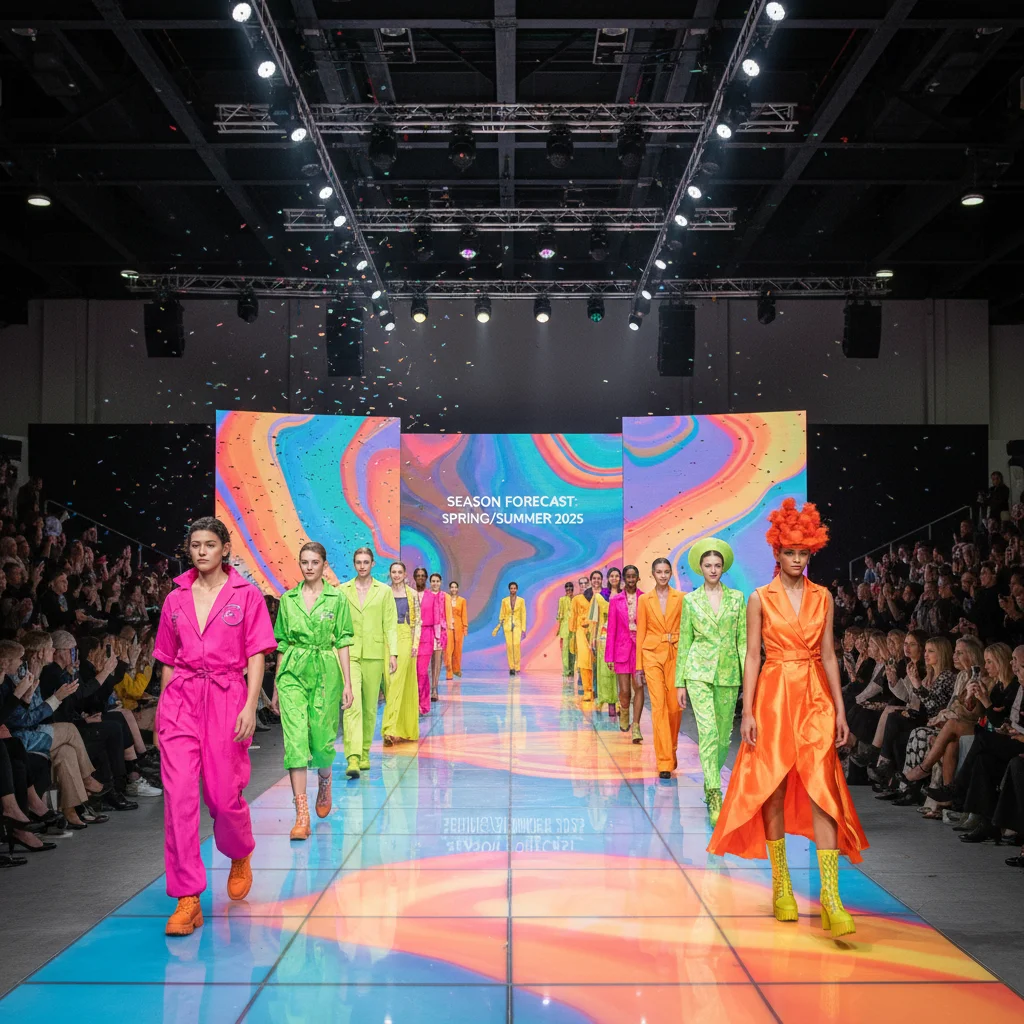
After years of minimalist neutral dominance, fashion trend forecasting points to a vibrant resurgence. The upcoming quarter embraces bold hues that make statements without words. Electric blues, fiery oranges, and vivid greens are appearing across collections from high-end designers to fast-fashion retailers.
Advertisement
Prints are also experiencing a renaissance. Abstract patterns, oversized florals, and geometric designs offer visual excitement that monochrome outfits cannot match. Mixing prints has become more acceptable, encouraging creative experimentation. Animal prints remain popular but are being paired with unexpected elements like denim or chunky knits to create fresh contrasts.
Color blocking returns as a technique for creating impact. Instead of subtle tonal variations, designers are combining contrasting shades in the same outfit. This approach requires confidence but delivers dramatic results. For those new to bold dressing, starting with statement accessories in trending colors provides an accessible entry point.
Key color directions for the quarter
The color story balances vibrant energy with grounding neutrals. Understanding these directions helps in making cohesive wardrobe choices.
- Electric blue emerges as the signature shade, appearing in both casual and formal wear
- Warm terracotta tones bring earthy sophistication to autumn collections
- Chartreuse and acid green offer daring options for fashion-forward individuals
- Classic black and cream provide anchoring neutrals that complement bold accents
Comfort-driven silhouettes remain essential
The pandemic permanently changed how people approach clothing, and fashion trend forecasting confirms comfort is here to stay. However, the definition of comfortable has expanded to include more polished options. The elastic waistband may be here to stay, but it now appears in tailored trousers and sophisticated midi skirts.
Oversized proportions continue trending but are being refined. The intentionally baggy look is giving way to more structured oversized pieces that offer comfort without appearing sloppy. This evolution reflects a desire to feel put-together while maintaining ease of movement. Fabrics with stretch and recovery properties allow for all-day wear without compromising appearance.
Versatility has become a key selling point. Consumers seek pieces that transition seamlessly from home to office to social occasions. This multi-functional approach to dressing has influenced everything from fabric choices to silhouette design. The most successful pieces in the upcoming quarter will be those that serve multiple purposes across different contexts.
Y2K nostalgia influences contemporary designs
Fashion trend forecasting clearly identifies early 2000s aesthetics as a major influence. The Y2K revival brings back low-rise jeans, crop tops, and butterfly clips that defined the turn of the millennium. These elements are being reimagined through a contemporary lens, incorporating improved fabrics and more inclusive sizing.
Logomania from this era has returned, with designer logos appearing on everything from handbags to belts. However, the execution feels more refined than the original trend, avoiding the overt branding that characterized the early 2000s. The nostalgia factor appeals to millennials revisiting their youth while introducing Gen Z to these aesthetics for the first time.
Technology-inspired elements from the Y2K era, like metallic fabrics and holographic details, are also resurfacing. These futuristic touches resonate with our current digital age, creating a bridge between past visions of tomorrow and present-day reality. The cyclical nature of fashion means these influences will continue evolving as they reinterpret through new cultural lenses.
Elevated basics and capsule wardrobe focus
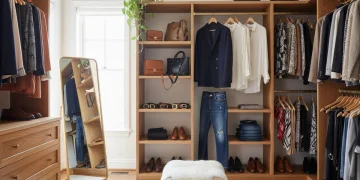
In contrast to the bold trends, fashion trend forecasting reveals a parallel movement toward elevated basics. Consumers are investing in high-quality foundational pieces that form versatile capsules. This approach prioritizes longevity over novelty, encouraging thoughtful purchasing decisions.
The elevated basic trend emphasizes superior construction and premium materials. A simple white shirt or well-fitted denim becomes a statement through exceptional quality rather than decorative details. Neutral palettes support this approach, allowing pieces to mix and match effortlessly. The result is a streamlined wardrobe that simplifies daily decisions while maintaining visual interest.
This trend aligns with broader conversations about mindful consumption. Building a capsule wardrobe requires research and intentionality, resulting in pieces that bring lasting satisfaction. Retailers are responding by offering more detailed product information, including fabric content, construction techniques, and styling suggestions that help consumers make informed choices.
Essential pieces for the modern capsule
Understanding which basics deserve investment helps in building an effective capsule wardrobe. These foundational pieces form the backbone of versatile dressing.
- Well-tailored blazer in neutral tones that works across casual and professional settings
- Premium denim in classic cuts that flatter various body types
- Quality knitwear in versatile colors that layer effectively throughout seasons
- Structured handbags that combine functionality with timeless aesthetics
Gender-fluid fashion gains mainstream acceptance
The dissolution of traditional gender boundaries in fashion represents one of the most significant shifts identified in fashion trend forecasting. Unisex and gender-fluid collections are no longer niche offerings but mainstream considerations for major brands. This movement reflects broader societal changes around identity expression and acceptance.
Designers are increasingly creating collections that transcend traditional categorization. Silhouettes that work across the gender spectrum,中性 color palettes, and sizing options that reject binary distinctions are becoming more prevalent. This approach benefits everyone by expanding available choices and challenging limiting assumptions about who can wear certain styles.
Marketing strategies are evolving alongside product offerings. Brands are moving away from gendered advertising toward inclusive campaigns that feature diverse representations. This shift acknowledges that fashion preferences are personal rather than predetermined by biological characteristics. The industry response indicates this trend will continue accelerating in coming quarters.
Artisan craftsmanship and handmade details
Mass production has defined fashion for decades, but fashion trend forecasting reveals a counter-movement celebrating artisan craftsmanship. Handmade elements, traditional techniques, and small-batch production appeal to consumers seeking uniqueness in an increasingly homogenized world.
Hand-knitted items, hand-painted details, and embroidery are appearing in both high-end and accessible price points. These labor-intensive elements add value beyond mere aesthetics, connecting garments to human skill and cultural heritage. The imperfections associated with handmade items are being embraced rather than concealed, adding character that machine production cannot replicate.
This trend extends to supporting independent makers and small studios. Platforms connecting artisans with consumers have grown significantly, facilitating direct relationships between makers and buyers. The transparency this provides appeals to conscious consumers who want to understand the origins of their purchases and support sustainable livelihoods.
| Trend Category | Key Characteristics |
|---|---|
| Sustainable Fashion | Eco-friendly materials, transparency in production, circular fashion models |
| Bold Colors | Electric blues, vibrant prints, color blocking techniques |
| Comfort Silhouettes | Refined oversized fits, versatile pieces, stretch fabrics |
| Y2K Revival | Low-rise cuts, logomania, nostalgic technology aesthetics |
What comes next
The fashion trend forecasting insights for the next quarter reveal an industry in transformation. The eight dominant styles identified represent both responses to current circumstances and reactions against previous limitations. Sustainability has moved from optional to essential, while comfort has earned permanent status in wardrobes worldwide.
These trends do not exist in isolation but interact and overlap in complex ways. A single garment might embody multiple trends, combining sustainable materials with bold colors and gender-fluid design. This complexity creates rich opportunities for creative expression and thoughtful consumption. The fashion landscape continues evolving, with each quarter bringing new interpretations and innovations that build on these foundational shifts.
For consumers and industry professionals alike, staying informed about fashion trend forecasting provides valuable perspective. Understanding these directions helps in making strategic decisions, whether planning seasonal collections or refreshing personal style. The trends shaping the next quarter offer something for everyone, from the bold to the subtle, the experimental to the timeless.