Fall Fashion Textures: 4 Must-Have Fabrics for 2026
Advertisement
Fall fashion textures: The fabrics defining this season’s style
As temperatures begin to shift, your wardrobe naturally evolves toward richer, more tactile materials. This autumn, fall fashion textures are taking center stage with a remarkable emphasis on depth, warmth, and sophisticated visual appeal. The season’s most compelling trend isn’t about bold colors or daring silhouettes—it’s about the materials themselves.
From the luxurious softness of velvet to the nostalgic charm of corduroy, this season’s defining fabrics offer something for every style preference. Whether you’re dressing for the office, a weekend outing, or an evening event, understanding these texture trends helps you build a wardrobe that feels both current and timeless.
Why texture matters more than color this season
Texture creates visual interest in ways that color simply cannot match. When light hits a velvet blazer differently than it does a silk blouse, the same outfit transforms throughout the day. This dynamic quality explains why fall fashion textures have become the foundation of autumn style.
Fashion designers have embraced this principle across runways and collections. The conversation has shifted from “what color should I wear” to “what feeling do I want to convey.” Velvet suggests opulence and drama. Corduroy whispers of vintage authenticity and casual sophistication. Leather projects confidence and edge. Wool and cashmere embody comfort without sacrificing elegance.
These materials also serve a practical purpose. As weather becomes unpredictable, layered textures provide warmth while allowing breathability. A velvet jacket over a cashmere sweater creates insulation without bulk. This functional aspect explains why these fall fashion textures have persisted as seasonal favorites year after year.
Advertisement
Velvet: The undisputed star of autumn
Velvet has emerged as the most prominent of the fall fashion textures this season. Once reserved for holiday parties and formal occasions, velvet has broken free from its restrictive reputation. Now you’ll find it in casual jackets, everyday pants, and even sneakers.
The appeal lies in velvet’s unique ability to absorb and reflect light simultaneously. This creates a depth that flat fabrics cannot achieve. When you wear velvet, your outfit appears more dynamic, more expensive, more intentional—even if the rest of your look remains simple.
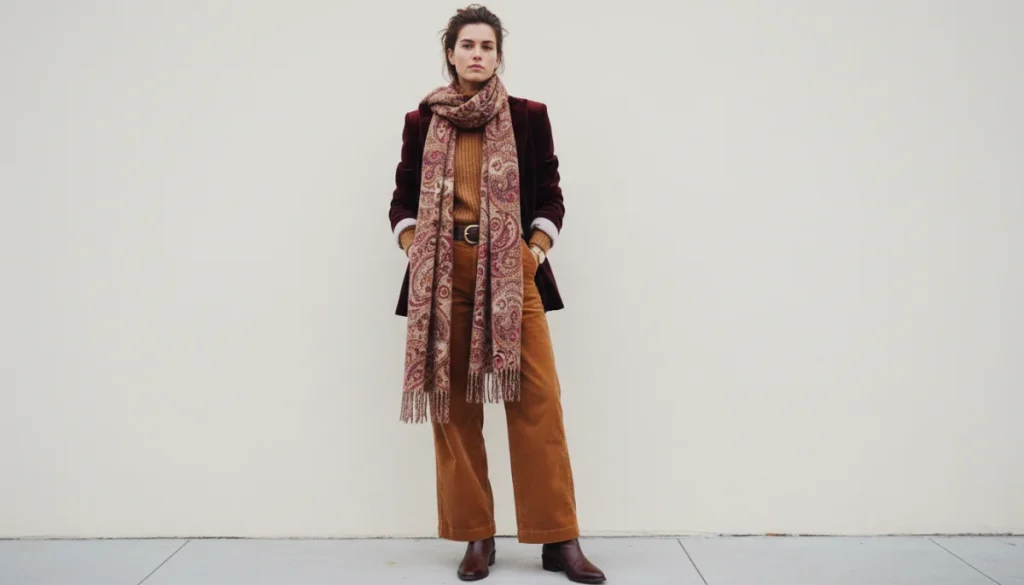
Choosing the right velvet pieces requires consideration of both fit and occasion. A well-tailored velvet blazer in deep burgundy or forest green works beautifully for professional settings when paired with tailored trousers. For weekend wear, velvet joggers or a casual jacket in softer colors like dusty rose or slate blue offer comfort without sacrificing style.
Advertisement
Styling velvet for any occasion
The key to wearing velvet successfully lies in balance. Since velvet is inherently dressy, pairing it with casual elements creates visual tension that feels modern and intentional. A velvet blazer looks remarkably chic with denim jeans and a simple white tee. Velvet pants feel fresh when styled with an oversized sweater and minimal accessories.
Color selection also impacts how wearable velvet becomes. Rich jewel tones—emerald, sapphire, ruby—read as sophisticated and evening-appropriate. Meanwhile, muted shades like sage, taupe, and charcoal offer greater versatility for daytime wear. Consider building your velvet wardrobe around pieces that transition seamlessly from day to night.
- Start with a versatile blazer in a classic color that works with multiple outfits
- Experiment with velvet accessories like headbands, handbags, or shoes before committing to garments
- Choose velvet with some stretch for improved comfort and wearability
- Layer velvet pieces over simple, solid-colored basics to let the texture shine
Corduroy: Nostalgia meets modern sophistication
Among fall fashion textures, corduroy represents a fascinating intersection of nostalgia and contemporary style. This fabric carries decades of associations—from school uniforms to 1970s fashion—yet designers have reimagined it entirely for modern wardrobes.
The texture’s defining characteristic, the wale, has become a design element rather than simply a construction detail. Wider wales read as bolder and more vintage-inspired, while narrow wales offer subtlety and refinement. Your choice between these variations significantly impacts the overall impression of your outfit.
Corduroy’s resurgence this season reflects a broader desire for authenticity and tactile quality in our clothing. In a world saturated with synthetic materials and fast fashion, corduroy offers something tangible—a fabric with history and character that improves with age.
Color palettes for corduroy have expanded dramatically beyond traditional browns and tans. Contemporary collections feature corduroy in unexpected shades: mustard yellow, terracotta, olive green, and even soft pastels. This expansion makes corduroy viable for more diverse style preferences and occasions.
Leather and faux leather: Edge and elegance combined
Leather remains a cornerstone among fall fashion textures, but the conversation has evolved significantly. Sustainability concerns have driven innovation in vegan leather alternatives, making it easier than ever to incorporate this bold texture into your wardrobe with confidence.
This season’s leather trend emphasizes versatility over statement pieces. Rather than a single dramatic leather jacket, consider leather in unexpected applications: pants, skirts, blazers, and even dresses. The goal is creating cohesive outfits where leather integrates naturally rather than dominating.
Proper care extends the life of leather pieces considerably. Conditioning leather seasonally maintains its suppleness and prevents cracking. For faux leather, gentle cleaning and proper storage ensure your pieces remain looking their best throughout multiple wears. Investing in quality—regardless of whether you choose real or synthetic leather—typically yields better long-term results.
The color story for leather has expanded beyond classic black. Tan and cognac offer warmth that pairs beautifully with autumn’s neutral palette. Deep burgundy and forest green provide alternatives for those seeking something beyond traditional hues. These options make leather more approachable for everyday styling.
Building a leather wardrobe thoughtfully
Starting with a classic leather jacket remains the most versatile entry point. Look for styles with clean lines and minimal embellishment—these pieces transcend trends and remain stylish for years. A well-fitted motorcycle jacket or tailored blazer in quality leather or leather alternative serves as an foundational piece.
From there, expand into leather bottoms. Leather pants and skirts in straight or wide-leg silhouettes offer dramatic impact without the commitment of a full statement piece. These items pair equally well with casual sweaters and elevated blouses, making them remarkably versatile additions to your fall wardrobe.
- Invest in a quality leather jacket that fits well and features timeless design
- Explore vegan leather options if sustainability is a priority
- Consider leather accessories like belts and bags before larger purchases
- Store leather items properly with appropriate hangers and breathable garment bags
Wool and cashmere: Ultimate comfort meets luxury
No discussion of fall fashion textures would be complete without addressing wool and cashmere. These materials represent the gold standard for autumn layering—providing warmth while maintaining breathability and offering unparalleled tactile comfort.
This season’s wool innovations focus on weight and weave. Lighter wool fabrics work well for transitional weather, while heavier weaves suit colder days. Understanding these variations helps you build a practical wardrobe that serves you well throughout the entire autumn season.
Cashmere deserves particular attention as a fall wardrobe investment. While the initial cost may give pause, quality cashmere pieces last for decades with proper care. The fabric’s incredible softness against the skin and its temperature-regulating properties make it worth considering for key pieces like sweaters, scarves, and coats.
Sustainability in wool and cashmere purchasing matters increasingly to conscious consumers. Look for certifications indicating ethical treatment of animals and responsible manufacturing practices. Brands increasingly offer transparency about their supply chains, making informed choices easier than ever before.
Mixing textures: The art of layered fall style
Mastering the combination of different fall fashion textures elevates your style significantly. The goal isn’t to wear every texture simultaneously—rather, it’s about creating intentional contrast that adds visual interest and depth to your outfits.
Successful texture mixing typically follows a simple principle: pair one dominant texture with supporting textures of varying weights. If you’re wearing a chunky knit wool sweater, for example, pair it with smooth leather pants or a silky skirt. The contrast between heavy and light textures creates dynamic visual tension.
Color coordination becomes especially important when mixing textures. When in doubt, stick to a cohesive color palette that allows texture to provide the visual variation. A monochromatic outfit featuring velvet, leather, and wool demonstrates sophisticated style understanding without appearing chaotic.
Practice makes perfect when developing this skill. Start small by introducing one textured piece into otherwise flat outfits. Notice how different textures interact under various lighting conditions and throughout your day. Over time, mixing textures will become second nature.
Building your texture-forward fall wardrobe
Creating a wardrobe centered on fall fashion textures requires thoughtful planning. Start by assessing what you already own and identify gaps in your texture repertoire. Perhaps you have plenty of smooth cotton pieces but lack the depth that velvet or corduroy provides.
Investment pieces should include at least one quality item from each major texture category. A velvet blazer, corduroy pants, a leather jacket or bag, and a cashmere sweater form a strong foundation. From these basics, you can build countless outfit combinations throughout the season.
Remember that texture works best when it feels intentional rather than random. Every texture choice should serve your overall style vision. Whether you prefer minimalist elegance or maximalist drama, there’s a way to incorporate these fall fashion textures that aligns with your aesthetic.
| Texture | Best Uses |
|---|---|
| Velvet | Jackets, blazers, evening wear, statement accessories |
| Corduroy | Pants, skirts, jackets, casual shirts for everyday wear |
| Leather | Jackets, pants, bags, shoes, accessories for edge and elegance |
| Wool/Cashmere | Sweaters, coats, scarves, layering pieces for warmth and comfort |
What comes next
As autumn progresses, expect fall fashion textures to continue evolving in interesting ways. Designers are already experimenting with hybrid fabrics that combine multiple textures in single garments, offering new possibilities for texture-forward dressing. The emphasis on tactile, quality materials reflects broader cultural shifts toward intentional consumption and lasting wardrobe investments.
Building your wardrobe around these key textures positions you well for the current season and those to come. These materials transcend seasonal trends, offering timeless appeal when selected and maintained properly. Whether you embrace velvet’s luxury, corduroy’s vintage charm, leather’s edge, or wool’s comfort, incorporating fall fashion textures thoughtfully elevates your personal style significantly.
The most stylish approach combines multiple textures while maintaining overall cohesion. Start with quality foundational pieces, layer thoughtfully, and trust your instincts. Your wardrobe should feel uniquely yours—comfortable, confident, and distinctly autumnal.