Eco-Friendly Clothing Brands Leading the Sustainable Fashion Movement
Advertisement
The sustainable fashion landscape has undergone a dramatic transformation in 2026, with eco-friendly clothing brands emerging as industry leaders. These brands are revolutionizing how consumers think about wardrobe choices by prioritizing environmental responsibility without sacrificing style or quality. From innovative materials to ethical manufacturing processes, the movement represents a fundamental shift in fashion’s future.
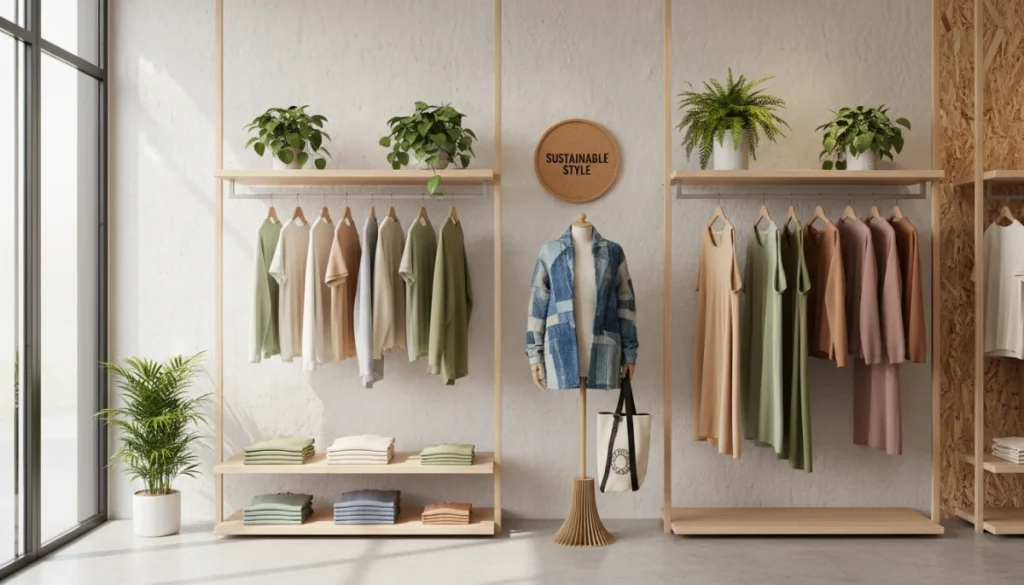
Eco-friendly clothing brands redefining sustainable fashion in 2026
The American fashion consumer in 2026 thinks differently about what they wear. Climate concerns, supply chain transparency, and ethical labor practices have moved from niche concerns to mainstream purchasing criteria. This shift has created unprecedented opportunities for eco-friendly clothing brands that have built their identities around sustainability.
What started as a counterculture movement has matured into a multi-billion dollar segment that traditional fashion houses can no longer ignore. The brands leading this charge are not simply marketing sustainability as a buzzword—they are fundamentally reimagining how clothing gets made, worn, and eventually recycled. For the conscious consumer, the question is no longer whether to shop sustainably, but which eco-friendly clothing brands truly deliver on their promises.
What makes a brand truly eco-friendly
Navigating the sustainability claims of fashion retailers requires understanding what actually constitutes eco-friendly practices. The term gets thrown around casually, but distinguishing between genuine environmental stewardship and greenwashing has become essential for thoughtful shoppers.
Authentic eco-friendly clothing brands typically demonstrate commitment across several dimensions. Material sourcing stands as the most visible criterion, with organic cotton, recycled polyester, Tencel, hemp, and innovative fabrics like mushroom leather representing the spectrum of sustainable options. Beyond materials, these brands consider their entire operational footprint, including water usage, chemical treatments, energy consumption in manufacturing, and transportation emissions.
Advertisement
Labor practices form another critical component. Ethical brands typically ensure fair wages, safe working conditions, and respect for worker rights throughout their supply chains. Many publish detailed factory audits and supplier lists, allowing consumers to verify claims independently. This transparency has become a hallmark of authentic sustainability leadership.
Key indicators of genuine sustainability
When evaluating eco-friendly clothing brands, look for certifications that provide third-party verification. Standards like GOTS (Global Organic Textile Standard), OEKO-TEX, Fair Trade, and B Corp certification offer reliable benchmarks. These certifications involve regular audits and strict compliance requirements that self-reported sustainability claims cannot match.
- Material certifications verify organic or recycled content
- Supply chain transparency documents manufacturing origins
- Carbon footprint reporting shows environmental impact measurement
- Take-back programs demonstrate commitment to circularity
The most respected eco-friendly clothing brands have built their reputations on verifiable practices rather than marketing campaigns. They treat sustainability as an operational philosophy rather than a selling point, which shows in everything from their product durability to their packaging choices.
Advertisement
American brands pioneering sustainable fashion
The United States has produced several homegrown eco-friendly clothing brands that have achieved significant market presence while maintaining strong environmental credentials. These companies represent diverse approaches to sustainability, from high-end designer collections to accessible everyday wear.
Patagonia remains the gold standard for outdoor apparel sustainability, continuing to lead with its iconic “Don’t Buy This Jacket” philosophy that encourages mindful consumption. The company’s Worn Wear program, which repairs and resells used garments, has processed millions of items, demonstrating that circular fashion models can work at scale. Their commitment to using recycled materials and ensuring fair labor practices has influenced competitors across the outdoor industry.
Reformation has carved out a unique position in the women’s fashion segment, proving that trendy, feminine clothing can align with environmental responsibility. The brand’s RefScale metric transparently shows the environmental impact of each garment compared to industry averages. Their factories use renewable energy, and they’ve invested heavily in water recycling systems that reduce consumption by substantial margins.
For everyday basics, Everlane has built a loyal following through its radical transparency initiative. The brand publishes complete factory lists with worker demographics and wage information, setting a new standard for supply chain visibility. Their Clean Denim line uses innovative water-saving techniques that reduce usage by over 90% compared to traditional manufacturing.
International brands making waves in the US market
Globaleco-friendly clothing brands have found receptive audiences among American consumers who value diverse perspectives on sustainability. These international companies bring different cultural approaches to environmental responsibility, often with centuries-old textile traditions informing modern practices.
Swedish brand Cos (Collection of Style) has expanded significantly in the American market, offering minimalist designs crafted from organic and recycled materials. Their approach emphasizes timeless design over seasonal trends, aligning with the anti-fast-fashion sentiment growing among conscious consumers. The brand’s packaging uses exclusively recycled materials, and they’ve committed to becoming carbon neutral across operations.
Danish company Ganni has transformed from a contemporary fashion label into a sustainability leader, particularly known for innovative material choices. Their signature vegetable-tanned leather accessories have become industry benchmarks, demonstrating that luxury aesthetics need not come at environmental expense. Ganni’s “Scandi Ghost” initiative has achieved viral success, with their oversized blazers becoming sustainable wardrobe staples.
Japanese brands bring particular expertise in fabric innovation, with companies like Fukui and Kurashiki developing technical textiles from traditional materials. These innovations often draw on centuries of textile craftsmanship while applying modern sustainability science. The attention to detail in Japanese manufacturing translates directly to garment longevity, reducing replacement frequency.
Price points and accessibility
One persistent misconception holds that sustainable fashion remains exclusively accessible to wealthy consumers. While premium eco-friendly clothing brands certainly exist, the market has expanded to include options across virtually every price tier.
Mid-range brands like Pact and Thought Clothing offer basics and everyday wear at competitive prices, typically only 10-20% above conventional alternatives. These companies achieve affordability through efficient operations and simple designs that don’t require expensive manufacturing processes. The slightly higher price point often gets offset by superior durability, meaning cost-per-wear frequently favors sustainable options.
Budget-conscious consumers find increasingly viable options as well. Target’s Eversee collection and Walmart’s sustainable lines demonstrate that major retailers can incorporate meaningful sustainability without price premiums. These mass-market offerings typically focus on accessible materials like organic cotton and recycled polyester while maintaining quality standards that justify purchases.
The true cost analysis increasingly favors sustainable purchases when considering garment lifespan. Well-made eco-friendly clothing brands typically produce items that last three to five times longer than fast fashion alternatives, representing significant long-term savings despite higher initial prices.
How to build a sustainable wardrobe
Transitioning toward a more sustainable wardrobe doesn’t require discarding existing clothes or spending excessively. The most responsible approach focuses on thoughtful acquisition rather than immediate replacement.
Begin by auditing your current wardrobe to identify genuine gaps versus impulse-driven wants. This exercise often reveals that closet additions aren’t really needed, aligning with sustainability principles while saving money. When purchases become necessary, prioritize versatile pieces that work across multiple occasions and seasons, maximizing wear frequency.
Research before buying becomes essential. Most eco-friendly clothing brands maintain detailed websites explaining their sustainability practices. Look for specific information about materials, manufacturing locations, and certification rather than vague green claims. Brands confident in their practices typically provide easy access to this information.
Consider second-hand options for items that would see limited wear. ThredUp, Poshmark, and Depop have transformed pre-owned fashion, making vintage and previously-loved items accessible and normalized. Extending garment lifecycles through resale represents one of the most impactful sustainability actions consumers can take.
The future of sustainable fashion
Industry analysts predict continued acceleration in sustainable fashion adoption throughout the remainder of 2026 and beyond. Regulatory pressure, particularly from European Union requirements, is driving global supply chain changes that will benefit American consumers seeking eco-friendly options.
Material innovation continues advancing rapidly. Mycelium leather alternatives have reached commercial viability, offering animal-free options with dramatically lower environmental footprints. Algae-based foams and recycled ocean plastics are moving from experimental products to mainstream offerings. These innovations will expand the range of sustainable choices available to consumers.
Technology enabling circular fashion models keeps improving. Digital IDs embedded in garments will soon allow consumers to trace complete product histories, from raw material origins through manufacturing and eventual recycling. This transparency will further differentiate authentic eco-friendly clothing brands from those making superficial sustainability claims.
| Brand Category | Key Characteristics |
|---|---|
| Premium Outdoor | High durability, repair programs, recycled materials |
| Contemporary Women’s | Trend-forward designs, transparency metrics, renewable energy |
| Basics and Essentials | Fair labor, organic materials, accessible pricing |
| International Designers | Innovative materials, craftsmanship, timeless aesthetics |
What comes next
The trajectory of eco-friendly clothing brands suggests a fundamental restructuring of how fashion gets produced and consumed. Consumers increasingly expect sustainability as a baseline requirement rather than a differentiating feature, forcing all retailers to adapt or risk obsolescence.
For those building sustainable wardrobes, the opportunity lies in making informed choices that align personal style with environmental values. The brands highlighted here represent starting points rather than exhaustive recommendations—the sustainable fashion landscape continues evolving rapidly, with new innovators emerging regularly.
Supporting eco-friendly clothing brands ultimately means participating in a larger transformation of an industry historically characterized by waste and exploitation. Each purchasing decision becomes a small vote for the kind of fashion system consumers want to inhabit. The choices made in 2026 will shape what fashion looks like for decades to come, making this moment particularly significant for conscious wardrobe building.