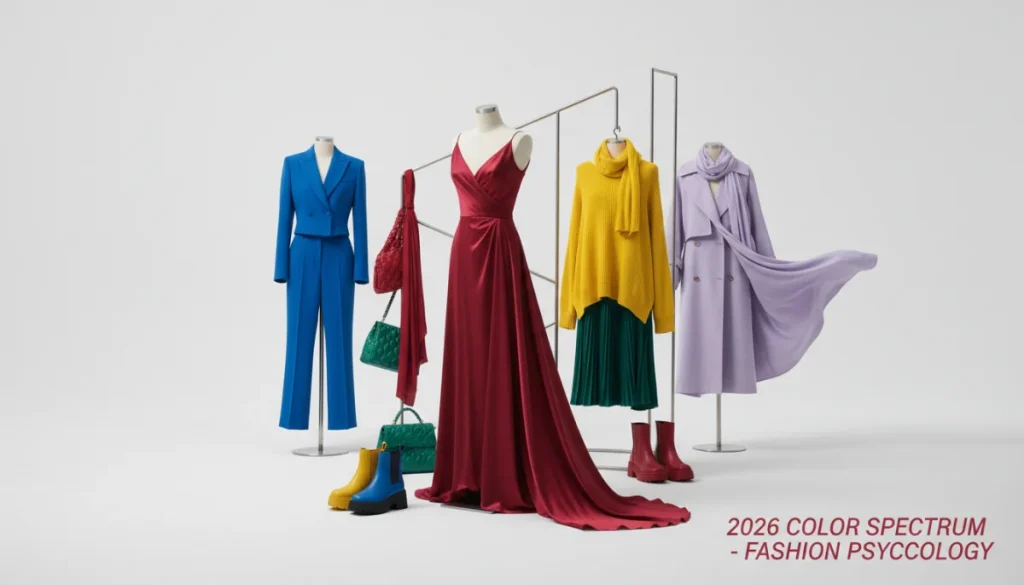
Color Psychology Fashion: What Your Favorite Color Says About 2026 Trends
Advertisement
What Your Favorite Color Says About Your Fashion Style
The colors we reach for in our closets speak volumes about who we are and how we want to be perceived. Color psychology in fashion has evolved beyond simple preference into a sophisticated language of self-expression, and 2026 marks a turning point in how we understand this connection.
This year, fashion enthusiasts are moving away from arbitrary trend-following toward more intentional color choices rooted in psychological insight. Whether you gravitate toward bold primaries or soft neutrals, your favorite shades reveal hidden aspects of your personality and can guide you toward more authentic style decisions.
The Science Behind Color Preferences in Wardrobe Selection
Research in color psychology has long established that our responses to different hues run deeper than mere aesthetics. The colors we are naturally drawn to often reflect underlying emotional needs, personality traits, and even life circumstances. In the context of fashion, these preferences become visible statements about our inner world.
Fashion psychologists have identified patterns linking specific color affinities to distinct personality profiles. Someone who consistently chooses warm tones like orange and coral tends to project approachability and energy, while those drawn to cool blues and greens often prioritize stability and thoughtfulness. Understanding these connections allows for more deliberate wardrobe building.
Advertisement
The rise of color psychology in fashion reflects a broader cultural shift toward authenticity. Consumers are no longer satisfied with following trends blindly; they want their clothing choices to feel meaningful. This movement has gained significant momentum in 2026, with major fashion houses incorporating psychological color analysis into their collections and marketing strategies.
How Color Psychology Shapes Fashion Choices
The relationship between color preference and clothing selection operates on multiple levels. On a conscious level, we choose colors that make us feel confident and comfortable. On a subconscious level, these choices often reveal aspects of our personality that we may not explicitly acknowledge. Fashion retailers have begun training staff to understand these dynamics, offering personalized color consultations that go beyond traditional style advice.
This deeper approach to color in fashion acknowledges that what we wear affects not only how others perceive us but also how we perceive ourselves. Studies have shown that wearing certain colors can influence mood, confidence, and even performance in social and professional settings. The implications for wardrobe building are profound.
Advertisement
- Warm colors like red and orange tend to attract individuals who seek attention and thrive in social situations
- Cool blues and greens appeal to those who value stability, trust, and intellectual approaches to life
- Neutral tones often indicate a preference for practicality, versatility, and understated elegance
- Bold, saturated colors suggest confidence, creativity, and a willingness to stand out from the crowd
Red: The Bold Statement of Passion and Power
Red has maintained its position as a powerful color in fashion for centuries, and 2026 continues this tradition with renewed intensity. Those who gravitate toward red in their wardrobe are often making a deliberate statement about their approach to life and fashion.
The psychology of red in clothing reveals someone who is not afraid to be noticed. This color demands attention and projects confidence, making it a favorite among fashion-forward individuals who want their wardrobe to reflect their assertive nature. Red lovers tend to be ambitious, competitive, and drawn to leadership roles.
In 2026 fashion, red appears in unexpected shades beyond the traditional bright crimson. Deep burgundies, wine reds, and terracotta tones offer more sophisticated options for those who love the color’s psychological impact but prefer refined expression. These variations allow red enthusiasts to incorporate their favorite psychological color into professional settings without overwhelming their audience.
The key to wearing red successfully lies in understanding its psychological weight. This color works best when the occasion calls for confidence and presence. For everyday wear, smaller accents like red accessories can provide the psychological benefits of the color without dominating an outfit.
Blue: Trustworthy Elegance and Intellectual Depth
Blue remains the world’s favorite color, and its dominance in fashion reflects our collective appreciation for its psychological qualities. Those who favor blue in their clothing choices typically value reliability, intelligence, and depth over flashier alternatives.
The person who reaches for blue garments consistently is often seen as trustworthy and dependable. In professional settings, blue conveys competence and authority, which explains its prevalence in business attire. The psychological association between blue and credibility has made it a staple in fashion wardrobes across industries.
2026 has seen exciting developments in blue fashion, with designers exploring the full spectrum from pale sky blues to deep midnight hues. Navy remains a cornerstone of professional wardrobes, while brighter cobalt and royal blues have gained popularity in casual and evening wear. The versatility of blue makes it an ideal foundation for building a psychologically cohesive wardrobe.
Understanding blue’s psychological impact helps explain its enduring appeal. This color promotes calm and concentration, making it particularly suitable for work environments and situations requiring mental focus. Blue enthusiasts often report feeling more centered and productive when wearing their preferred shade.
Green: Nature’s Balance and Growth Mindset
Green occupies a unique position in color psychology fashion, representing growth, balance, and harmony with nature. Those who gravitate toward green clothing often have a strong connection to the outdoors and value sustainability in their fashion choices.
The psychological profile of green lovers typically includes traits like adaptability, resilience, and a growth-oriented mindset. These individuals are often drawn to new experiences and approaches, making them early adopters of innovative fashion trends. Their wardrobes often reflect an eco-conscious approach to consumption.
2026 has witnessed an explosion of green in fashion, driven by increased awareness of environmental issues and desire for meaningful color choices. From sage and olive to emerald and forest green, the shade options have never been more diverse. This variety allows green enthusiasts to express different aspects of their personality through subtle variations in their wardrobe.
The calming effect of green makes it particularly suitable for everyday wear. Research has shown that green can reduce anxiety and promote feelings of renewal, making it an excellent choice for those seeking psychological comfort in their clothing. Green lovers often find that this color helps them navigate stressful situations with greater ease.
Yellow: Optimism and Creative Energy
Yellow brings sunshine and optimism to any wardrobe, and its psychological impact is immediately noticeable. Those who embrace yellow in their fashion choices are often characterized by their positive outlook, creativity, and willingness to take risks.
The person who confidently wears yellow projects warmth and friendliness, making it an excellent choice for social occasions. Yellow lovers tend to be idea generators who bring energy and enthusiasm to any project. Their fashion choices often reflect this spontaneity and joy of living.
Fashion in 2026 has seen yellow evolve beyond summer-only wear into a year-round color option. Mustard and golden yellows offer more sophisticated alternatives to bright sunshine shades, making yellow appropriate for professional environments. These warmer tones maintain the psychological benefits of yellow while adding gravitas suitable for various occasions.
The key to wearing yellow successfully lies in understanding its psychological weight. This color attracts attention and can dominate an outfit if not balanced carefully. Yellow enthusiasts often find that combining their favorite shade with neutral bases allows them to enjoy the color’s benefits without overwhelming their overall look.
Purple: Royal Ambition and Creative Vision
Purple has long been associated with royalty, ambition, and creative vision, and these psychological associations remain powerful in contemporary fashion. Those who favor purple in their wardrobe often possess unique perspectives and are not afraid to express their individuality.
The psychology of purple reveals someone who values creativity, wisdom, and spiritual depth. These individuals often occupy creative or leadership positions where unconventional thinking is valued. Their fashion choices reflect this distinctive approach to life, making purple lovers memorable figures in any social or professional setting.
2026 has embraced purple in all its variations, from soft lavenders to deep plum. The color has proven remarkably versatile, appearing in casual wear, evening gowns, and everything in between. This adaptability reflects purple’s psychological flexibility, allowing it to convey different messages depending on shade and context.
The luxury associations of purple make it particularly suitable for special occasions and professional settings where making a lasting impression matters. Purple enthusiasts often report feeling more confident and creative when wearing their favorite shade, suggesting genuine psychological benefits beyond mere aesthetics.
Neutral Tones: Minimalist Sophistication and Practical Wisdom
Grey, beige, black, and white form the foundation of many wardrobes, and the psychology behind neutral color preferences reveals important insights about personal values. Those who gravitate toward neutrals often prioritize practicality, versatility, and timeless elegance over trend-driven choices.
The neutral color lover typically values simplicity and functionality in all aspects of life. Their fashion choices reflect a pragmatic approach, focusing on quality pieces that can be mixed and matched effectively. This preference often extends beyond clothing into home decor and lifestyle choices more broadly.
In 2026 fashion, neutrals have evolved to include warmer tones like camel, cream, and soft browns. These variations add interest to minimalist wardrobes while maintaining the psychological benefits of neutral colors. The movement toward capsule wardrobes and sustainable fashion has elevated neutrals from basic foundations to sophisticated style statements.
The psychological appeal of neutrals lies in their ability to provide a calm, organized feeling. For those who prefer simplicity, neutral wardrobes reduce decision fatigue and create a sense of control. This practical wisdom makes neutral lovers often more efficient in their daily routines, channeling mental energy toward more meaningful decisions.
| Color Preference | Psychological Profile |
|---|---|
| Red | Confident, ambitious, seeks attention and leadership roles |
| Blue | Reliable, intellectual, values trust and stability in relationships |
| Green | Adaptable, growth-oriented, values sustainability and balance |
| Yellow | Optimistic, creative, brings energy and enthusiasm to projects |
What Comes Next in Color Psychology Fashion
The integration of color psychology into fashion decision-making represents a fundamental shift in how we approach personal style. Rather than following trends blindly, consumers are learning to use color psychology as a tool for authentic self-expression and psychological well-being.
This movement shows no signs of slowing down. Fashion brands are responding by offering more nuanced color options and educational resources about the psychological impact of color choices. The future of color psychology in fashion will likely include personalized color recommendations based on individual psychological profiles, making wardrobe building more scientific and satisfying.
As we continue through 2026, expect to see even more sophisticated applications of color psychology in fashion. From workplace dress codes to special occasion styling, understanding the psychological implications of color choices will become an essential part of fashion literacy. Your favorite colors reveal more than preference; they offer a roadmap to more intentional, authentic personal style.