Color Blocking Trends: 5 Advanced Techniques for 2026 Fashion
Advertisement
Color blocking trends: 5 advanced techniques redefining fashion in 2026
The fashion landscape in 2026 has witnessed a remarkable transformation in how designers and style enthusiasts approach color. What began as a bold statement in previous decades has evolved into a sophisticated art form that balances visual impact with wearable elegance. Color blocking trends now represent more than simply pairing contrasting hues; they embody a nuanced approach to palette selection that considers skin tone, occasion, and the emotional response designers wish to evoke.
This season marks a distinct shift in the color blocking conversation. Instead of the high-contrast combinations that dominated recent years, 2026 embraces a more refined interpretation—one that allows for personal expression while maintaining professional appeal. Whether you are a fashion enthusiast looking to update your wardrobe or someone curious about the technical aspects driving these trends, understanding the foundation of modern color blocking techniques provides valuable insight into where fashion is heading.
The five techniques explored in this guide represent the pinnacle of current color blocking trends, each offering distinct approaches to incorporating bold color into your personal style. From the subtle sophistication of tonal layering to the daring statements created through complementary contrast, these methods reflect both designer innovation and the evolving preferences of fashion-conscious consumers worldwide.
Understanding the evolution of color blocking in contemporary fashion
Color blocking as a design technique traces its roots to the mid-twentieth century, when designers first began experimenting with geometric color placement as a way to create visual interest without relying on patterns. However, the color blocking trends of 2026 bear little resemblance to those early experiments. The contemporary approach draws heavily from art movements, particularly abstract expressionism and Bauhaus-inspired minimalism, translating artistic principles into wearable fashion.
The current wave of color blocking trends gained momentum in early 2026 runway shows, with major houses demonstrating their interpretation of the technique. What distinguishes this period is the emphasis on intentionality—each color choice serves a specific purpose, whether to flatter the wearer, create a particular silhouette, or convey a specific mood. This thoughtful approach represents a maturation of the trend, moving it beyond mere visual boldness into the realm of considered design.
Advertisement
Understanding this evolution provides context for the techniques that follow. Modern color blocking trends reflect a dialogue between designer vision and consumer preferences, resulting in approaches that feel both innovative and accessible. The fashion industry has recognized that successful color blocking must work in real-world contexts, not just on runways, and this practical consideration shapes every aspect of contemporary technique development.
Technique one: tonal layering for sophisticated depth
The first technique defining color blocking trends in 2026 involves tonal layering—the practice of combining multiple shades within the same color family to create depth and visual interest. Unlike the high-contrast combinations that previously defined color blocking, tonal layering offers a more subtle approach that appeals to those seeking sophistication over shock value.
This method works by selecting three to five shades of a single hue, ranging from the lightest tint to the deepest shade. These variations are then arranged in blocks that follow the garment’s natural lines or create deliberate geometric patterns. The result is an outfit that appears cohesive yet dynamic, with each shade contributing to an overall sense of dimension.
Advertisement
Tonal layering proves particularly effective for professional environments where bold color combinations might feel inappropriate. A navy ensemble featuring everything from pale sky blue accents to deep midnight panels creates visual interest without overwhelming a corporate setting. This versatility explains why tonal layering has become a cornerstone of color blocking trends in 2026, appearing across ready-to-wear collections and fast-fashion offerings alike.
Implementing tonal layering in your wardrobe
Successfully incorporating tonal layering requires attention to proportion and placement. Consider these foundational approaches:
- Start with a base shade and select two to three shades lighter and darker for balance
- Place the darkest shades in areas you wish to minimize, such as the torso or hips
- Use lighter shades on feature areas like the face or legs to create focal points
- Ensure sufficient contrast between shades to maintain visual distinction between blocks
The key to mastering tonal layering lies in understanding how different shades interact under various lighting conditions. What appears subtle indoors may become more pronounced in natural daylight, and vice versa. Testing combinations in multiple environments helps refine your approach and ensures the final result meets your expectations.
Technique two: complementary contrast for maximum impact
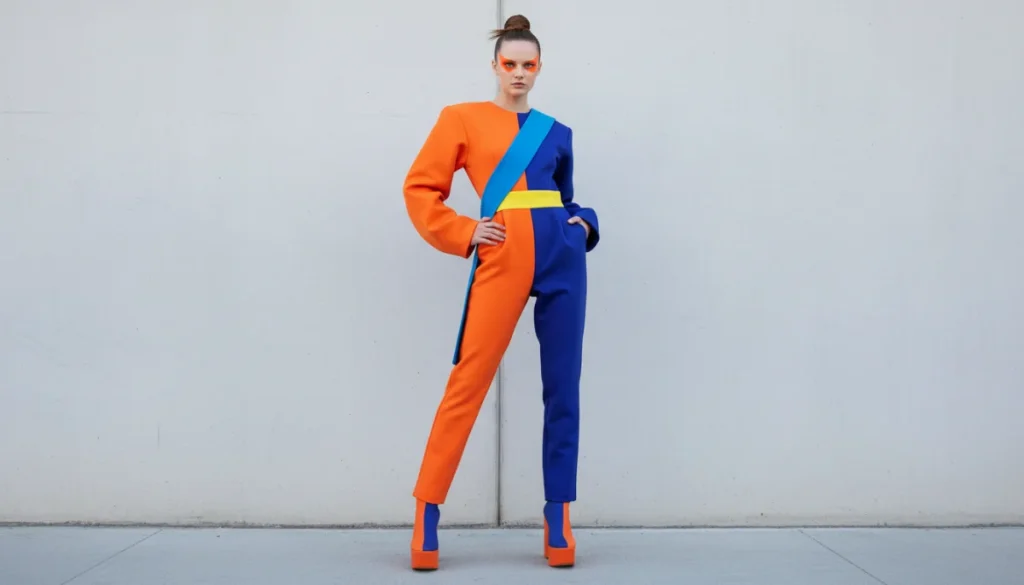
For those seeking bolder expression, the complementary contrast technique represents the most dynamic approach within current color blocking trends. This method pairs colors from opposite positions on the color wheel, creating visual tension that commands attention and conveys confidence.
The science behind complementary contrast lies in how our eyes process opposing wavelengths. When placed together, complementary colors appear more vibrant and intense than they do in isolation. This optical phenomenon makes complementary contrast an powerful tool for statement pieces and occasion wear where impact takes priority over subtlety.
2026 has seen designers push complementary contrast beyond traditional pairings. While classic combinations like blue and orange or red and green remain popular, contemporary interpretations introduce unexpected variations—teal with coral, violet with chartreuse, or burgundy with sage. These unconventional pairings demonstrate how color blocking trends continue to evolve, challenging conventional color wisdom while remaining wearable.
The success of complementary contrast depends heavily on proportion management. A dominant color paired with a smaller accent creates balance, while equal-sized blocks can appear chaotic. Understanding this dynamic allows you to harness the power of complementary contrast while maintaining visual harmony.
Technique three: neutral anchoring for wearable boldness
One of the most practical developments in color blocking trends involves the strategic use of neutral colors as anchors. This technique combines bold color blocks with grounding neutral tones—black, white, gray, beige, or navy—to create outfits that feel cohesive rather than overwhelming.
The neutral anchoring approach addresses a common concern among those new to color blocking: the fear that bold combinations might appear clownish or inappropriate. By introducing neutral elements, you create visual rest points that allow bold colors to shine without dominating the overall impression. This technique proves particularly valuable for workplace incorporation of color blocking trends.
Implementation strategies for neutral anchoring vary depending on the statement you wish to make. A black base with strategically placed color blocks creates a sophisticated look suitable for professional environments. Conversely, white anchoring provides a fresh, summery feel that reads as playful yet refined. The versatility of this approach explains its widespread adoption across fashion segments.
Consider the impact of different neutral pairings: black anchors create drama and intensity, white anchors produce a clean contemporary aesthetic, and gray anchors offer sophistication without severity. Each combination produces distinctly different impressions while maintaining the fundamental principles of color blocking trends.
Technique four: asymmetrical placement for modern silhouette enhancement
Traditional color blocking often follows predictable patterns—horizontal bands across the torso, vertical panels down the length of a garment. The asymmetrical approach, increasingly prominent in 2026 color blocking trends, breaks from convention by placing color blocks in unexpected positions that transform both the garment and the wearer.
Asymmetrical color blocking serves dual purposes: it creates visual interest through unexpected color placement while simultaneously shaping perceived body proportions. A diagonal block of contrasting color across a jacket can create the illusion of a narrower waist, while an off-center color panel draws attention away from areas some might prefer to minimize.
This technique requires more careful consideration than symmetrical approaches. The visual impact of asymmetrical color blocking depends heavily on body type, garment structure, and the specific colors involved. What flatters one figure may not work for another, making experimentation essential to finding the optimal configuration.
The rise of asymmetrical color blocking reflects broader fashion trends toward personalization and individual expression. Rather than following prescribed rules, this approach encourages wearers to discover configurations that complement their unique proportions and align with their personal style preferences. This democratization of color blocking trends represents a significant shift in how fashion approaches individual expression.
Technique five: gradient transitions for seamless color flow
The fifth technique defining contemporary color blocking trends represents perhaps the most innovative approach: gradient transitions. Rather than stark boundaries between colors, gradient blocking creates smooth transitions from one hue to another, offering a softer interpretation of color blocking that appeals to those who find traditional block boundaries too harsh.
Gradient transitions work through careful fabric selection and construction techniques that blend colors along defined edges. This approach requires significant technical expertise, explaining its prevalence in higher-end designer collections. However, advances in fabric technology and manufacturing have made gradient color blocking increasingly accessible across price points.
The visual effect of gradient transitions differs fundamentally from traditional color blocking. Where conventional blocking creates distinct visual zones, gradient approaches produce a sense of movement and flow. This dynamic quality appeals to modern sensibilities that favor fluid aesthetics over static geometric arrangements.
Implementing gradient techniques in personal wardrobes often involves selecting pieces where the gradient has been professionally incorporated. However, the principle can be approximated through careful layering—wearing pieces in adjacent shades that create a similar visual flow when viewed together. This accessible interpretation allows everyone to benefit from gradient color blocking trends regardless of budget constraints.
What comes next
The evolution of color blocking trends shows no signs of slowing as we move further into 2026. Emerging developments suggest even more experimental approaches on the horizon, including sustainable color-blocking solutions using plant-based dyes and innovative materials that change color properties in response to environmental factors. These innovations reflect broader industry commitments to sustainability while maintaining the visual impact that defines successful color blocking.
For fashion enthusiasts, the current moment offers unprecedented opportunity to explore color blocking trends across diverse price points and style categories. The techniques outlined here provide a foundation for understanding and experimenting with color blocking, but the ultimate expression remains deeply personal. Your interpretation of these color blocking trends should reflect your individual style, comfort level, and the specific contexts where you wear these combinations.
The future of color blocking trends will likely emphasize further personalization, with technology enabling customized color combinations based on individual preferences, skin tones, and wardrobe existing pieces. This evolution represents the intersection of traditional fashion expertise with digital innovation, promising exciting developments for those who follow color blocking trends closely.
| Technique | Best Application |
|---|---|
| Tonal Layering | Professional settings and sophisticated everyday wear requiring subtle visual interest |
| Complementary Contrast | Statement pieces and occasions where maximum impact and bold expression are desired |
| Neutral Anchoring | Workplace incorporation and conservative environments requiring balance between boldness and appropriateness |
| Asymmetrical Placement | Personalized silhouette enhancement and modern aesthetic expression seeking unconventional approaches |
Impact and implications
The significance of color blocking trends extends beyond individual style choices, reflecting broader cultural shifts in how we approach self-expression through fashion. The sophistication of current techniques demonstrates fashion’s evolution toward more thoughtful, intentional approaches to visual presentation. As these trends continue developing, we can expect even greater emphasis on personalization and individual interpretation.
For those looking to incorporate color blocking trends into their wardrobe, the current moment offers ideal conditions for experimentation. The techniques outlined here provide accessible entry points regardless of experience level, while the ongoing evolution of trends ensures continued inspiration. The key lies in approaching color blocking with confidence and willingness to discover what works uniquely for your style and circumstances.