Capsule Wardrobe Guide: Cut Clothing Costs by 40%
Advertisement
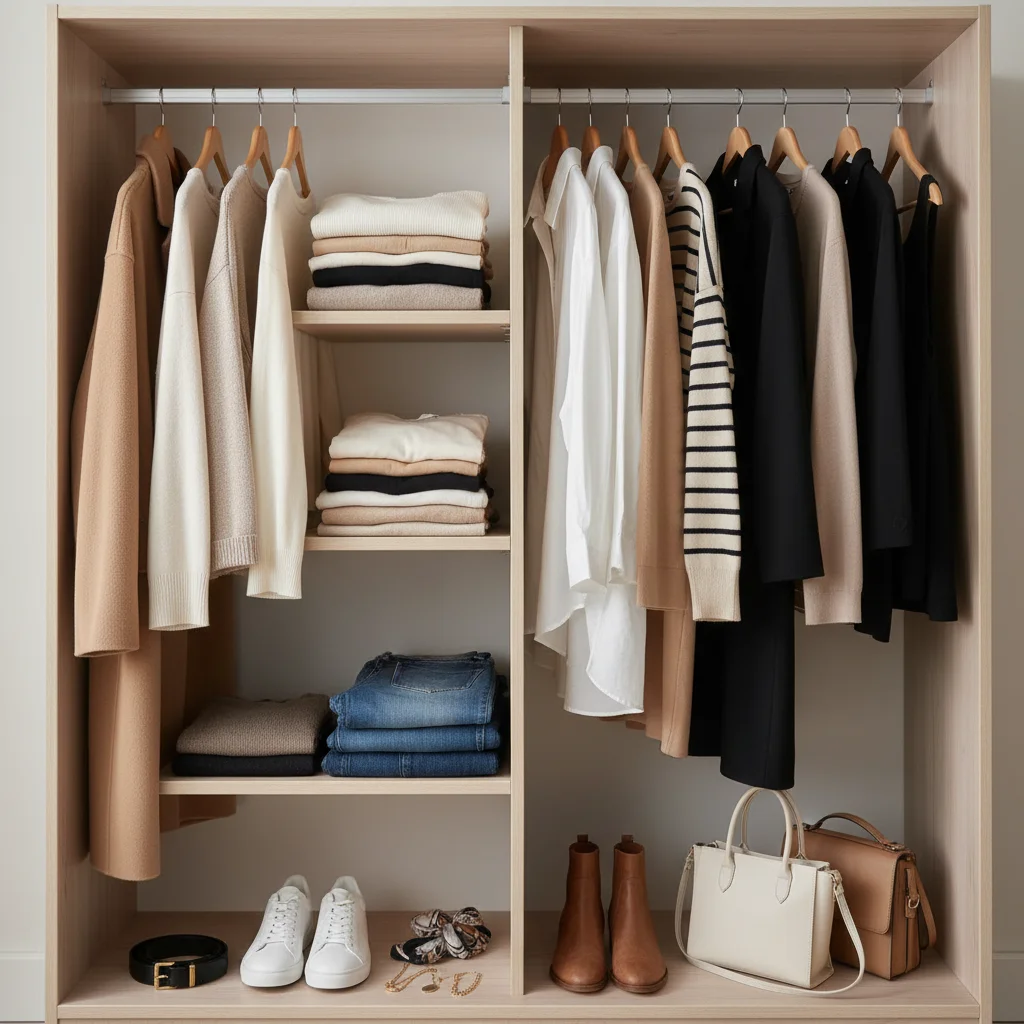
A capsule wardrobe transforms how you shop, dress, and save money. By curating 30-40 versatile pieces that mix and match effortlessly, you can cut clothing spending by 40% while maintaining a polished appearance year-round. This approach eliminates impulse buys, reduces closet clutter, and simplifies daily dressing decisions.
Building a Capsule Wardrobe: Cut Clothing Costs by 40% While Looking Polished Year-Round
The average American spends over $1,800 annually on clothing and accessories, with many items worn only a handful of times before being forgotten in the back of a closet. What if you could look polished every single day while spending significantly less? A well-planned capsule wardrobe makes this possible.
This strategy isn’t about restriction or wearing the same outfit repeatedly. It’s about being intentional with every purchase, choosing quality over quantity, and building a collection of pieces that work together seamlessly. The result is less decision fatigue in the morning, more confidence in your appearance, and a substantially healthier bank account.
What is a Capsule Wardrobe and Why It Matters
A capsule wardrobe is a curated collection of essential clothing items that do not go out of fashion and can be supplemented with seasonal pieces. The concept originated in the 1970s when London boutique owner Susie Faux coined the term to describe a limited number of versatile, high-quality items that could be worn in multiple ways.
The beauty of this approach lies in its simplicity. Rather than chasing every trend or filling your closet with single-use items, you invest in timeless pieces that serve multiple purposes. A single blazer, for instance, can transform casual jeans into a business-ready outfit, elevate weekend dresses, and layer beautifully over knits during cooler months.
Advertisement
The practical benefits extend beyond aesthetics. When you know exactly what you own and how each piece fits together, getting dressed becomes effortless. No more standing in front of a packed closet declaring you have nothing to wear. Every item in a capsule wardrobe earns its place because it serves a specific function and combines well with other pieces.
The Environmental and Personal Impact
Beyond the financial advantages, capsule wardrobes address a growing environmental concern. The fashion industry is one of the world’s largest polluters, and fast fashion’s throwaway culture contributes heavily to textile waste. By buying fewer, better pieces, you reduce your environmental footprint while also reducing the mental clutter that comes with overwhelming choice.
- Fewer impulse purchases mean less waste and more savings
- Quality pieces last longer, reducing replacement frequency
- Simplified choices reduce daily decision fatigue
- More intentional shopping leads to greater satisfaction with each purchase
Many people who switch to capsule wardrobes report not only financial savings but also a profound sense of relief. The constant pressure to keep up with trends disappears, replaced by the confidence that comes from wearing what truly suits you.
Advertisement
The Financial Math Behind a Capsule Wardrobe
Understanding the economics reveals why capsule wardrobes deliver such impressive savings. The average person purchases 60 new clothing items per year, averaging around $30 each. That’s $1,800 spent annually, with much of it wasted on items that don’t coordinate with existing pieces or get worn infrequently.
A capsule wardrobe approach inverts this equation. Instead of 60 impulse purchases, you might buy 8-12 strategic pieces annually at higher price points. Yes, each individual item costs more, but the total expenditure drops dramatically because every purchase is intentional and complementary.
Consider the math over five years. Traditional spending: $1,800 × 5 = $9,000. Capsule wardrobe approach: $1,200 × 5 = $6,000. That’s a $3,000 difference, representing a 33% savings. Some capsule wardrobe practitioners report savings closer to 40% when factoring in reduced dry cleaning, eliminated impulse buys, and longer garment lifespans.
The key insight is that price per wear matters more than the sticker price. A $100 blazer worn 100 times costs $1 per wear. A $30 blazer worn five times costs $6 per wear. Quality truly pays for itself when you actually use what you buy.
Essential Pieces Every Capsule Wardrobe Needs
Building a functional capsule wardrobe requires strategic thinking about your lifestyle and daily activities. The exact pieces vary based on your profession, climate, and personal style, but certain fundamentals apply universally.
Tops That Work Everywhere
Your top collection should include versatile shirts that transition easily from casual to formal settings. Aim for 5-7 pieces including button-down shirts in neutral colors, simple t-shirts in quality fabrics, and 2-3 sweaters or cardigans appropriate for your climate.
When selecting tops, prioritize fabrics that resist wrinkling and maintain their shape through multiple wears. Cotton blends, silk, and high-quality synthetic materials all have their place depending on your priorities and budget.
Bottoms That Anchor Every Outfit
Your bottom collection forms the foundation of nearly every outfit. Include 3-4 pairs of well-fitting pants in neutral colors, 2-3 skirts or dresses that work for multiple occasions, and 1-2 pairs of quality jeans. The key is fit over fashion. Pants that flatter your body shape will get worn far more frequently than trendy cuts that don’t suit you.
- Two pairs of tailored pants (navy and black or charcoal)
- One or two pairs of well-fitted jeans
- One neutral skirt appropriate for your workplace
- One pair of versatile shorts for warm weather
Remember that bottoms typically show more wear than tops, so invest accordingly in quality. Reinforced seams, quality denim, and proper tailoring extend the life of these essential pieces significantly.
Outerwear and Layers
A quality jacket or coat transforms any outfit. Depending on your climate, your capsule might include a tailored blazer, a versatile trench coat, a casual jacket, and seasonal outerwear. These pieces represent larger investments but pay dividends in versatility and longevity.
Building Your Wardrobe Season by Season
Transitioning to a capsule wardrobe doesn’t happen overnight. Most style experts recommend building gradually over several seasons, allowing you to identify gaps and learn what works for your lifestyle.
Start by auditing your current closet. Pull out everything you haven’t worn in the past year and honestly assess why. Fabric discomfort, poor fit, or simply not matching your style are all valid reasons to let go. Set aside pieces that serve you well and form the foundation of your new approach.
For the first season, focus on acquiring 2-3 gaps in your essentials. If you lack quality basics, start there. If your work requires professional attire, prioritize appropriate pieces. The goal is strategic improvement, not complete transformation.
As you build, maintain a simple rule: for every new item that enters your closet, one should leave. This keeps your collection manageable and ensures every piece continues to earn its place. Over time, you’ll find your ideal number, typically between 30-40 core pieces for most people.
Adapting to Climate Variations
Those in regions with distinct seasons face additional planning but can still maintain a streamlined approach. The key is selecting pieces that layer effectively and serve multiple purposes. A thermal base layer extends the wear of summer dresses into cooler months. Lightweight cardigans work year-round. Investing in versatile layering pieces reduces the need for an extensive seasonal wardrobe.
Storage becomes important for seasonal items. Vacuum bags and proper containers protect out-of-season clothing while maximizing closet space for current essentials. Many capsule wardrobe practitioners store off-season items in labeled boxes, making rotation straightforward.
Styling Tips to Maximize Every Outfit
The true power of a capsule wardrobe emerges when you learn to style pieces in multiple ways. The same blouse worn with tailored pants for work becomes casual when paired with jeans and sneakers. Accessories transform everything.
Accessories deserve more attention than they typically receive. A statement necklace, colorful scarf, or distinctive belt can completely change the feel of an outfit without adding significant cost. These small additions provide variety without cluttering your closet with statement pieces that serve only one purpose.
Learning to layer effectively also multiplies your outfit options. A simple shell under a blazer creates a polished look. Layering a collared shirt under a sweater adds visual interest while maintaining warmth. These techniques transform limited pieces into unlimited combinations.
Don’t underestimate the power of tailoring. Even inexpensive pieces look expensive when they fit properly. Hemming pants, taking in waists, or shortening sleeves costs little but dramatically improves how clothes look and how you feel wearing them.
The One Outfit Per Day Rule
Many capsule wardrobe enthusiasts adopt a simple practice: create one new outfit daily from their existing pieces. This ensures every item gets worn regularly and helps identify pieces that aren’t working. Over time, you develop an intuitive sense of what combinations feel right and which items might need replacing.
Common Mistakes to Avoid
Starting a capsule wardrobe often involves a learning curve. Understanding common pitfalls helps you avoid frustration and set realistic expectations.
One frequent mistake is being too restrictive initially. Trying to immediately reduce to 30 pieces often leads to frustration and abandonment. A more sustainable approach starts with what feels comfortable and gradually refines from there.
Another error involves prioritizing trends over personal style. Capsule wardrobes work best when built around your authentic preferences. If you love bold colors, include them. If you prefer minimalist aesthetics, that’s equally valid. The system should serve your style, not constrain it.
Quality matters, but perfectionism creates paralysis. Waiting for the perfect white shirt or ideal blazer leads to analysis paralysis. Sometimes good enough now beats perfect later, especially when learning what works for your body and lifestyle.
Finally, avoid comparing your wardrobe to others. Social media showcases curated perfection that rarely reflects real life. Your capsule wardrobe should match your actual needs, not someone else’s aesthetic vision.
| Strategy | Impact |
|---|---|
| Quality over quantity | Items last 3-5x longer, reducing annual spending |
| Intentional shopping | Eliminates impulse purchases, saving 30-40% annually |
| Strategic basics | 30-40 versatile pieces replace 60+ scattered items |
| Proper care | Extends garment life through correct washing and storage |
What Comes Next
The capsule wardrobe approach continues evolving as you refine your personal style and learn what truly works for your life. Many practitioners find that after the initial transition period, they spend less time thinking about clothes while feeling more confident in their appearance.
Technology increasingly supports this movement, with apps helping people track what they wear and identify gaps in their wardrobe. Some services now offer capsule wardrobe consultation, curating selections based on individual preferences and budgets. These tools make the approach more accessible than ever.
The broader fashion industry is taking notice. Several major retailers now offer capsule-focused collections, emphasizing quality and versatility over trend-chasing. This shift suggests the approach has moved from niche lifestyle choice to mainstream strategy.
Starting your capsule wardrobe journey doesn’t require dramatic action. Begin with one intentional purchase this month. Evaluate how it integrates with what you own. Notice how it feels to buy something you genuinely need rather than something that seemed appealing in the moment. These small steps compound into lasting change that transforms your relationship with clothing and significantly impacts your financial well-being.