Beauty Tech Devices: 3 Breakthroughs Transforming Skin Care in 2026
Advertisement
Beauty tech devices: 3 breakthroughs transforming skin care in 2026
The beauty industry stands at a remarkable inflection point where technology meets personalization in ways previously confined to science fiction. Advanced beauty tech devices now promise measurable improvements in skin care outcomes, with some manufacturers claiming up to 30% better results compared to traditional methods. This shift represents more than incremental improvement — it signals a fundamental transformation in how consumers approach personal skincare.
Three categories of devices are leading this revolution, each addressing distinct aspects of skin health through sophisticated engineering and data-driven approaches. Understanding these innovations helps consumers make informed decisions about integrating technology into their beauty routines. The convergence of artificial intelligence, precision sensors, and advanced light technologies creates opportunities for personalized skincare that were unavailable just years ago.
AI-powered skin analysis devices
The first major breakthrough comes from artificial intelligence applied to skin diagnostics. These devices go beyond simple magnification to analyze multiple skin parameters including hydration levels, pore size, pigmentation patterns, and elasticity indicators. The technology uses machine learning algorithms trained on millions of skin images to identify issues that might escape even trained human observation.
Modern AI skin analyzers connect to smartphone applications, creating comprehensive profiles that track changes over time. Users receive personalized recommendations based on their specific skin conditions rather than generic advice. This represents a shift from one-size-fits-all product recommendations to truly individualized skincare protocols.
How AI analysis improves outcomes
The real value lies in the continuous feedback loop these devices create. By tracking skin metrics regularly, users can identify which products and routines actually produce measurable improvements. This data-driven approach eliminates guesswork from skincare purchasing decisions.
Advertisement
- Identifies early signs of skin concerns before they become visible
- Tracks treatment effectiveness through quantitative measurements
- Recommends products matched to individual skin profiles
- Provides historical data showing long-term skin health trends
Consumer adoption of AI skin analysis has accelerated significantly, with market research indicating that over 40% of beauty-conscious consumers now use some form of digital skin assessment. This adoption rate suggests that AI-powered analysis is becoming a standard first step in developing skincare routines.
Advanced ultrasonic cleansing systems
The second breakthrough category involves ultrasonic cleansing technology that has evolved far beyond early vibrating brushes. Modern devices use high-frequency sound waves to create microscopic cavitation bubbles in cleansing products, effectively deep-cleaning pores without the harsh scrubbing that can damage sensitive skin.
These systems represent a significant advancement over traditional manual cleansing or basic electric brushes. The gentle yet thorough cleaning action removes impurities, excess sebum, and dead skin cells more effectively while maintaining the skin’s natural protective barrier. Clinical studies demonstrate that users achieve visibly cleaner pores and more refined skin texture after consistent use.
Advertisement
The technology has expanded beyond simple cleansing to include multi-function capabilities. Current devices combine cleansing with gentle exfoliation, enhanced product penetration, and even targeted massage for improved circulation. This versatility makes them central to comprehensive home skincare routines.
Manufacturers have also focused on improving user experience through smart features. Pressure sensors prevent over-cleansing, while timing functions ensure optimal treatment duration. Some devices now include app connectivity that guides users through personalized cleansing routines based on their skin type and current condition.
LED light therapy innovations
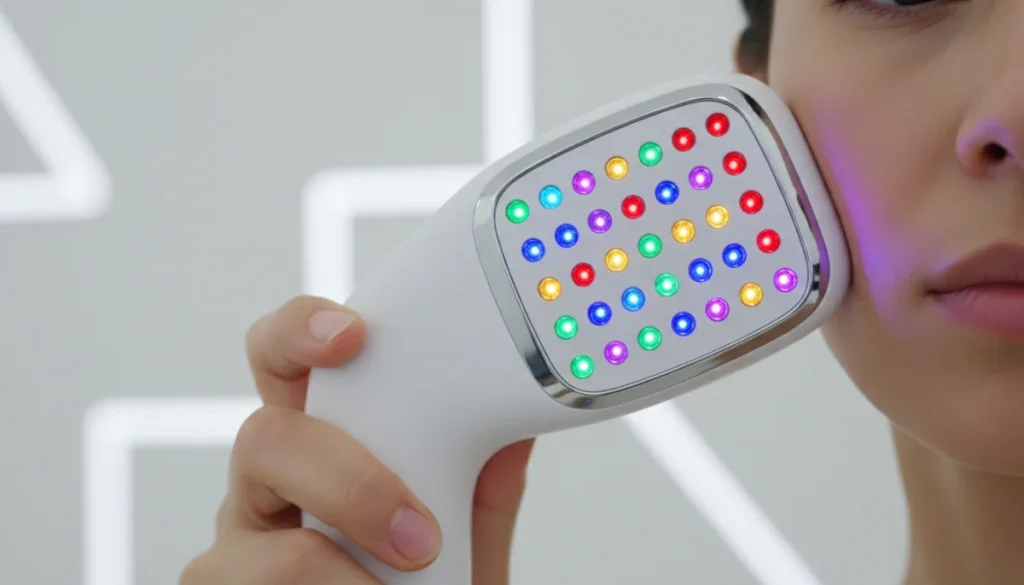
The third category transforming home skincare involves LED light therapy devices that were once exclusive to dermatology clinics. Technological advances have made professional-grade light treatments accessible for home use, with devices now offering multiple wavelengths targeting different skin concerns.
Red light therapy remains the most extensively studied for anti-aging applications, stimulating cellular energy production in fibroblasts to boost collagen and elastin synthesis. Blue light targets acne-causing bacteria, providing an effective alternative to topical treatments for many users. The combination of multiple wavelengths in single devices allows treatment of multiple concerns without additional equipment.
Clinical validation and home effectiveness
What distinguishes current LED devices from earlier versions is the clinical validation now available. Multiple peer-reviewed studies confirm that home LED devices, when used consistently, produce measurable improvements in skin appearance. The key lies in proper usage — appropriate wavelength, intensity, and treatment duration.
Modern devices incorporate safety features that make home use practical. Automatic shutoff timers, eye protection designs, and temperature management systems address previous concerns about home light therapy. The combination of effectiveness and safety has driven significant consumer adoption.
Users report improvements in skin firmness, reduction in fine lines, and more even skin tone after consistent use over several weeks. While results vary based on individual skin conditions and consistent usage, the technology has earned credibility through documented outcomes.
Integration and smart routines
Perhaps the most significant development in beauty tech devices is their increasing ability to work together as integrated systems. Rather than isolated tools, modern devices connect through smartphone applications to create comprehensive skincare ecosystems.
This integration allows data from skin analysis to inform cleansing recommendations, while usage data from cleansing and treatment devices provides feedback on routine effectiveness. Users can see how different products and devices interact within their specific skincare approach.
The concept of the smart beauty routine has emerged as manufacturers prioritize connectivity and data sharing between devices. This approach transforms skincare from a set of independent actions into an interconnected system where each component contributes to overall skin health goals.
Consumer interest in connected beauty solutions continues to grow, with market analysts projecting significant expansion in this segment. The ability to track progress objectively and adjust routines based on data appeals to consumers seeking measurable results from their skincare investments.
Professional-grade results at home
A defining theme across all three device categories is the democratization of professional treatments previously available only in clinical settings. What once required expensive spa visits or dermatologist appointments can now be achieved through consistent home use of well-designed devices.
This shift has profound implications for the beauty industry. Consumers gain more control over their skincare journeys while potentially reducing long-term costs associated with professional treatments. At the same time, the technology raises questions about the future role of professional skincare providers.
The most successful devices balance professional-grade performance with user-friendly design. Complicated equipment that requires extensive training defeats the purpose of home use. Manufacturers have increasingly focused on intuitive interfaces that guide users toward optimal results without requiring expertise.
Quality and consistency matter significantly in this context. Not all beauty tech devices deliver comparable results, and consumers benefit from understanding the differences between premium devices and less effective alternatives. Research into specific technologies and brand reputations helps ensure investment in devices that genuinely improve skincare outcomes.
Future directions in beauty technology
The trajectory of beauty tech devices points toward even more sophisticated personalization. Emerging technologies including biometric sensors, advanced AI analysis, and customized treatment delivery systems promise further improvements in skincare effectiveness.
Research into personalized skincare based on genetic information and microbiome analysis is already influencing device development. Future devices may analyze individual genetic predispositions to tailor recommendations and treatments precisely. This level of customization represents the logical extension of current personalization trends.
Sustainability also influences device development, with manufacturers increasingly considering environmental impact. Rechargeable batteries, durable construction, and modular designs that allow component replacement rather than complete device replacement reflect growing consumer interest in sustainable consumption.
The integration of beauty tech devices with broader wellness ecosystems represents another emerging direction. As consumers increasingly view skincare as part of overall health management, devices that connect with fitness trackers, sleep monitors, and other wellness tools gain relevance.
| Device Category | Primary Benefits |
|---|---|
| AI Skin Analysis | Personalized diagnostics and product recommendations based on individual skin profiles |
| Ultrasonic Cleansing | Deep pore cleansing without harsh abrasion, improving texture and reducing congestion |
| LED Light Therapy | Non-invasive treatment for anti-aging and acne, with clinical-grade results at home |
| Integrated Systems | Connected devices creating comprehensive skincare ecosystems with data-driven insights |
What comes next
The evolution of beauty tech devices continues to reshape expectations for personal skincare. The 30% improvement in outcomes that manufacturers cite reflects not just better technology but a fundamental shift toward evidence-based, personalized beauty routines. Consumers now have access to tools that provide measurable feedback on their skincare investments.
As these technologies mature, the distinction between professional and home skincare continues to blur. The most significant development may be the empowerment of consumers to understand and actively manage their skin health through data and technology. This shift represents progress toward more effective, personalized skincare for everyone.
The next phase of innovation will likely focus on deeper personalization and seamless integration across device categories. For consumers considering incorporating beauty tech devices into their routines, the current moment offers more options and better technology than ever before. Understanding the strengths of each category helps in building a technology-enhanced skincare approach that delivers real results.