Minimalist Home Decor: 10 Affordable Pieces Under $50
Advertisement
Minimalist home decor: 10 affordable pieces under $50 transforming spaces
The movement toward cleaner, more intentional living spaces has never been stronger. Homeowners and renters alike are discovering that minimalist home decor does not require massive budgets or complete room overhauls. In fact, some of the most impactful transformations come from carefully selected pieces that cost less than a nice dinner for two.
This surge in popularity reflects something deeper than aesthetics. People are seeking calm environments that reduce visual noise and promote mental clarity. The good news is that achieving this look has become more accessible than ever, with retailers offering stylish options at price points that welcome experimentation.
What follows is a curated collection of ten items that exemplify the minimalist home decor philosophy without requiring financial sacrifice. Each piece has been selected for its ability to contribute to a cohesive, elevated space while remaining firmly under the $50 threshold.
Understanding the minimalist home decor philosophy
Before diving into specific pieces, it helps to understand what makes minimalist home decor work. The core principle revolves around intentionality—every item in a space should serve a purpose, whether functional or aesthetic. This does not mean empty rooms or sterile environments. Rather, it means curating possessions to create flow, breathing room, and visual harmony.
Color palettes typically lean toward neutrals: whites, creams, beiges, grays, and occasional earth tones. Materials often include natural elements like wood, linen, cotton, and ceramic. The result is spaces that feel open, calm, and sophisticated without appearing cold or unwelcoming.
Advertisement
What attracts many people to this approach is its flexibility. Minimalist home decor adapts well to various architectural styles and personal tastes. Whether living in a modern apartment or a traditional home, anyone can incorporate these principles using the right pieces.
Statement wall art: starting with visual anchors
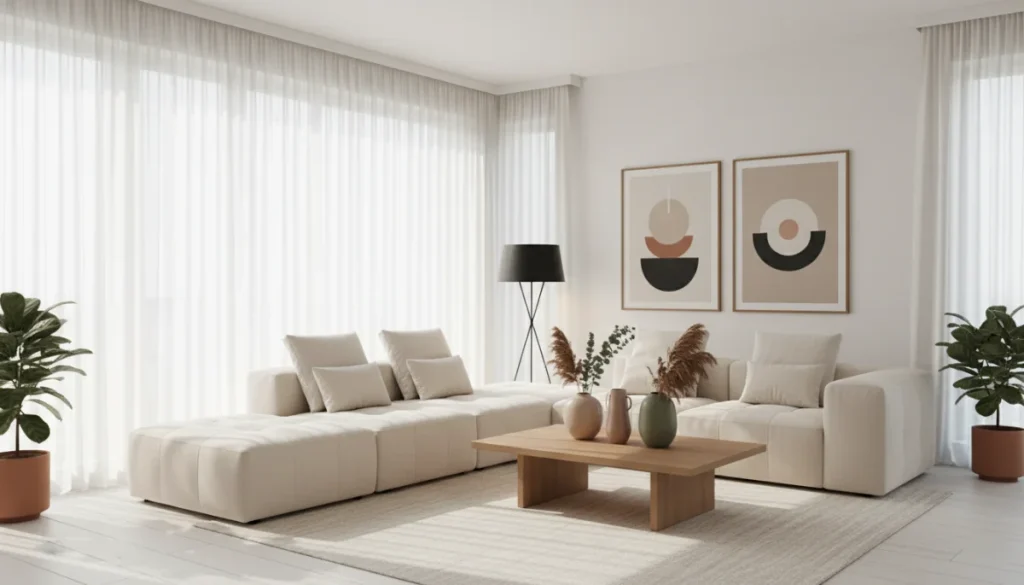
One of the most transformative elements in any room is wall art. For minimalist spaces, the key lies in selecting pieces that add interest without overwhelming. Abstract prints in muted tones work exceptionally well, offering visual depth while maintaining the clean aesthetic that defines minimalist home decor.
Look for prints featuring simple geometric shapes, line drawings, or organic forms. Black and white photography also fits beautifully, adding sophistication without color competition. When selecting art, consider the negative space around the piece as much as the artwork itself—sometimes what is not there matters as much as what is.
Advertisement
Framing matters significantly in minimalist home decor. Thin, simple frames in black, white, or natural wood finishes complement the art without drawing attention away from it. Avoid ornate frames or anything with excessive detail, as these create visual clutter contrary to the minimalist philosophy.
Recommended wall art styles
Several styles consistently perform well in minimalist settings. Abstract expressionist prints in neutral palettes offer movement and interest while remaining versatile. Botanical illustrations in simple line art bring organic energy without color complexity. Typography pieces with short, meaningful words or phrases can serve as daily inspiration while filling wall space elegantly.
- Abstract prints with geometric shapes in monochromatic schemes
- Black and white landscape or architectural photography
- Botanical line drawings on quality paper
- Minimalist typography prints with short inspirational words
Textile elements: adding warmth and texture
Texture plays a crucial role in preventing minimalist spaces from feeling cold or unwelcoming. This is where textiles become essential. Carefully selected throws, pillows, and curtains introduce softness and warmth while maintaining the overall minimalist aesthetic.
For throws, consider options in natural fibers like cotton, linen, or wool. Neutral colors such as oatmeal, soft gray, or cream work best, though a single subtle accent color can add personality without disrupting harmony. Drape throws casually over sofas or chairs to create inviting layers.
Pillows offer an opportunity to introduce texture and subtle pattern. Look for options with simple weaves, slight texture variations, or minimal embroidery. Avoid pillows with loud patterns or excessive embellishment—instead, focus on quality materials and clean lines that complement the overall space.
Curtains in minimalist home decor should be simple and functional. Sheer options in white or cream allow natural light while providing privacy. If blackout functionality is needed, consider simple roller shades or roman shades in neutral tones. The goal is window treatment that recedes visually, letting the room’s other elements shine.
Functional decor: beauty meets purpose
Minimalist home decor excels when pieces serve dual purposes. Decorative objects that also function practically represent the ideal marriage of form and function. These items earn their place in curated spaces by contributing both aesthetically and practically.
Ceramics make excellent functional decor. Simple vases in matte finishes hold single stems or small bouquets beautifully. Ceramic trays on coffee tables or dressers organize small items while adding visual interest. Bowls in simple shapes can hold keys, jewelry, or small everyday objects while contributing to the room’s aesthetic.
Wooden serving boards in minimalist designs work as decorative wall pieces when not in use, or as functional serving items when entertaining. Candle holders in simple shapes—cylindrical, spherical, or geometric—add ambient lighting while creating visual anchors on tables or shelves.
When selecting functional decor, consider how each piece will be used daily. Items that get handled regularly should feel good in hand and age gracefully. The best functional decor becomes more beautiful with use, developing character while maintaining its minimalist appeal.
Lighting: the mood creators
Lighting fundamentally transforms how spaces feel and function. In minimalist home decor, lighting choices should complement the clean aesthetic while providing necessary illumination for various activities. The best minimalist lighting options feature simple silhouettes, quality materials, and warm light output.
Table lamps in minimalist designs often feature bases in ceramic, wood, or metal with simple fabric or glass shades. Look for options with clean lines and proportions that feel balanced. The light itself should be warm rather than cool, creating an inviting atmosphere conducive to relaxation.
Floor lamps in the minimalist style typically feature slim profiles and adjustable arms. Options with simple tripod bases or single-stem designs work well in living areas and reading corners. Some designs incorporate built-in shelving or small tables, adding functionality while maintaining clean visual lines.
String lights have found their place in minimalist home decor as ambient lighting options. When used thoughtfully—draped simply around mirrors, along shelves, or around plants—they add magical warmth without visual clutter. The key is restraint: a few strands create atmosphere, while too many become visual noise.
Storage solutions: organized elegance
Clutter is the enemy of minimalist home decor. Effective storage solutions that maintain the aesthetic while containing everyday items prove essential. The best storage options hide their purpose while looking like intentional design elements.
Baskets in natural materials like seagrass, rattan, or woven cotton serve as versatile storage that fits seamlessly into minimalist spaces. They hold blankets, magazines, toys, or electronics while adding texture and warmth. Place them in living rooms, bedrooms, or entryways for functional storage that looks beautiful.
Simple boxes in cardboard, wood, or fabric-covered options organize smaller items in drawers and on shelves. Look for options in neutral colors that can be labeled or left plain. Stackable designs maximize vertical space while maintaining clean lines.
Shelving in minimalist designs typically features open shelves with simple brackets or floating installations. The items displayed on these shelves become part of the room’s decor, so thoughtful curation matters. Select a few favorite objects, books, or plants rather than overcrowding shelves with everything owned.
Greenery: bringing life indoors
Plants complement minimalist home decor beautifully, adding organic shapes, varying greens, and living energy to spaces. Even with minimal furnishings, a few well-chosen plants create warmth and life. The key lies in selecting the right containers and placing plants where they can thrive.
For minimalist spaces, pots in simple shapes work best. White ceramic, concrete, or natural terracotta in basic forms let the plants take center stage. Avoid overly decorative pots with complex patterns or bright colors—these compete with the minimalist aesthetic.
Snake plants, pothos, ZZ plants, and peace lilies thrive in indoor conditions and require minimal maintenance. These options suit various light conditions and watering schedules, making them accessible for beginners and experienced plant owners alike. Single plants in prominent locations make more impact than multiple struggling plants throughout a space.
Consider plant placement carefully. A large floor plant in a simple pot can anchor a room’s corner. Smaller plants on shelves, windowsills, or tables add life without overwhelming. Hanging plants inmacrame holders introduce vertical interest while maintaining the clean lines of minimalist design.
Mirrors: expanding visual space
Mirrors serve dual purposes in minimalist home decor: they add visual interest while making spaces feel larger and brighter. The reflective surfaces bounce light around rooms, creating depth that enhances the open, airy feel central to minimalist aesthetics.
For minimalist spaces, mirrors with simple frames work best. Options in black, white, wood, or metal frames with minimal detail complement various decor styles. Round mirrors have become particularly popular, adding organic shape to spaces dominated by straight lines and rectangular furniture.
Lean toward larger mirrors that make significant visual impact rather than smaller decorative options. A large mirror on a feature wall can become a room’s focal point while serving its practical purpose. Position mirrors to reflect natural light sources or interesting views, maximizing their effect on room brightness.
Full-length mirrors in simple frames belong in bedrooms and entryways, serving functional purposes while contributing to the overall aesthetic. Look for options with lean-to frames or simple wall-mounting capabilities that maintain clean visual lines.
Small furniture accents: the finishing touches
Smaller furniture pieces complete minimalist spaces, providing functionality without dominating rooms. Side tables, ottomans, and decorative stools in simple designs add utility while maintaining the curated aesthetic that defines minimalist home decor.
Side tables in materials like wood, metal, or glass feature clean silhouettes and minimal ornamentation. Look for options with tapered legs, simple geometric bases, or nested designs that can expand when needed. These tables serve practical purposes beside seating while contributing to the room’s visual flow.
Ottomans in neutral fabrics or leather add seating flexibility and serve as coffee tables when paired with trays. Choose options with simple shapes and sturdy construction that will age gracefully. Storage ottomans that hide blankets or magazines offer additional functionality.
Decorative stools in wood, metal, or upholstered designs provide flexible seating that can be moved as needed. Their small footprint makes them ideal for minimalist spaces where every piece must earn its place. Look for designs that stack or nest for easy storage when not in use.
| Category | Key Benefits |
|---|---|
| Wall Art | Creates visual anchors, adds personality without clutter |
| Textiles | Introduces warmth, texture, and comfortable layers |
| Lighting | Sets mood, expands space visually, adds ambiance |
| Greenery | Brings organic life, improves air quality, adds color |
What comes next
The beauty of minimalist home decor lies in its accessibility and adaptability. These ten categories provide a foundation for creating spaces that feel intentional, calm, and sophisticated—all without exceeding modest budgets. The key is starting with quality foundational pieces and building gradually.
As trends continue evolving, minimalist home decor remains remarkably consistent. Its principles transcend seasonal changes, offering timeless appeal that does not require constant updating. Investing in well-made pieces now creates a foundation that serves for years to come.
Moving forward, consider how each new purchase contributes to the overall vision for your space. Ask whether the item serves a purpose, complements existing pieces, and contributes to the calm, intentional atmosphere that makes minimalist home decor so appealing. This thoughtful approach to accumulating possessions ultimately creates homes that support well-being while looking beautiful.