Trending electronics 2026: Gadgets defining this year’s market
Advertisement
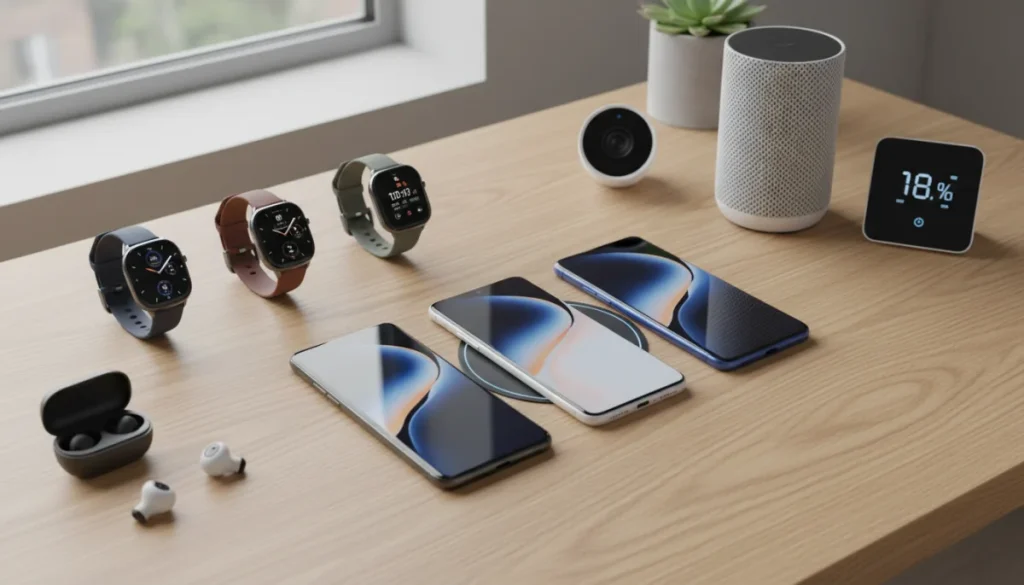
The electronics market in 2026 reflects a significant shift toward intelligent, interconnected devices that enhance everyday experiences. Trending electronics this year share common characteristics: advanced AI integration, sustainable design, and seamless connectivity. Consumers are gravitating toward products that offer tangible improvements in convenience, health monitoring, and energy efficiency. Understanding these trends provides valuable insight into where consumer interests and technology development converge.
Trending electronics 2026: The gadgets defining this year’s market
The electronics industry continues its rapid evolution, with 2026 bringing products that feel almost futuristic compared to just a few years ago. If you have been paying attention to what people are talking about, what is selling out at retailers, and what dominates tech news coverage, certain categories stand out clearly. These trending electronics represent more than incremental improvements—they signal meaningful changes in how we interact with technology in our homes, our workplaces, and our daily routines.
What makes this year particularly interesting is the convergence of multiple technological advances into products that feel genuinely ready for mainstream adoption. The devices capturing attention today are not experiments or niche gadgets—they are refined, practical solutions to real problems that consumers have been asking technology to solve. This article examines the trending electronics that are shaping the market in 2026, exploring why they matter and what their success tells us about where the industry is heading.
AI-powered smart home devices transform living spaces
The smart home category has reached a turning point in 2026. After years of promises about connected living, the latest generation of devices finally delivers on that vision in ways that feel natural and genuinely useful. The trending electronics in this space share a common characteristic: they anticipate needs rather than simply responding to commands.
Modern smart home hubs have evolved far beyond simple voice assistants. The newest devices on the market integrate machine learning algorithms that study household patterns and automate decisions without requiring explicit programming. These systems manage energy consumption, adjust lighting and temperature based on time of day and occupancy, and can even anticipate when residents might need particular settings or alerts.
Advertisement
The integration capabilities have also matured significantly. Where early smart home adopters struggled with incompatible systems and complex setups, current trending electronics emphasize cross-platform compatibility and simplified installation. Products now work together more seamlessly, creating an ecosystem rather than a collection of isolated devices.
Key features driving adoption
The most successful smart home products share several attributes that resonate with mainstream consumers. Energy management has become a primary selling point, especially as utility costs remain a concern for many households. Devices that demonstrably reduce energy bills while maintaining comfort attract significant interest.
Security integration continues to drive purchases, with smart locks, cameras, and sensors forming the foundation of many home automation setups. The ability to monitor and control home security remotely provides peace of mind that traditional systems cannot match.
Advertisement
- AI-driven automation that learns household patterns
- Unified control through single smartphone applications
- Energy monitoring and optimization capabilities
- Seamless integration with multiple device brands
The result is a category of trending electronics that has moved beyond early adopter fascination into mainstream household consideration. These are no longer luxury additions—they are becoming standard features in new home construction and renovation projects.
Next-generation wearables focus on comprehensive health
Wearable technology has matured considerably, with 2026 marking a year when these devices offer genuinely meaningful health insights rather than novelty features. The trending electronics in this category have shifted focus from step counting and notification mirroring toward comprehensive wellness monitoring.
Current-generation smartwatches and fitness trackers incorporate advanced sensors capable of tracking metrics that previously required medical equipment. Continuous blood glucose monitoring, for example, has become available in consumer-friendly form factors, transforming diabetes management for millions of users. Similarly, blood pressure tracking, ECG capabilities, and sleep analysis have become standard features rather than premium options.
The data these devices collect has also become more actionable. Rather than simply presenting numbers, modern wearables provide context and recommendations based on trends observed over time. This shift from data collection to insight generation represents a meaningful evolution in how consumers interact with their health information.
Beyond health monitoring, wearables in 2026 serve as essential accessories for digital life management. The ability to handle quick tasks—replying to messages, making payments, controlling music—without reaching for a phone has become expected. This convenience factor drives ongoing adoption even among consumers who may not be particularly fitness-focused.
Premium audio continues its remarkable evolution
The audio category has experienced something of a renaissance in 2026, with trending electronics in this space showcasing remarkable engineering advances. The distinction between wireless and wired audio has largely dissolved, as Bluetooth technology now delivers sound quality that satisfies even demanding listeners.
Active noise cancellation has become standard across price points, but the technology has evolved beyond simple sound blocking. Newer systems use adaptive algorithms that adjust cancellation based on environmental conditions and user activity. Some devices now offer transparency modes that let users hear their surroundings while maintaining audio playback—a feature that enhances safety and convenience in various situations.
Spatial audio has emerged as a differentiator in the market. This technology creates a three-dimensional soundstage that mimics the experience of listening to live performances. Music, movies, and games all benefit from spatial audio processing, and content creators have embraced the format, making more material available than ever before.
The conversation around audio equipment has also shifted toward hearing health. Manufacturers now incorporate features that limit maximum volume and provide usage tracking to help users avoid long-term damage. This focus on responsible listening resonates with consumers who may have experienced issues with earlier generations of personal audio devices.
Computing devices embrace flexibility and portability
The personal computer market in 2026 shows clear trends toward devices that adapt to diverse usage scenarios rather than serving single purposes. Trending electronics in computing reflect a market that values versatility, with form factors that transition smoothly between work, creativity, and entertainment applications.
Convertible and foldable devices have moved from novelty items to serious computing options. The latest models address early concerns about durability and battery life, offering screens that fold without visible creases and all-day power for typical workflows. These devices appeal particularly to professionals who need powerful computing in portable form factors.
ARM-based processors have fundamentally changed the computing landscape. Devices powered by these chips offer unprecedented battery life while delivering performance adequate for most productivity tasks. The distinction between traditional laptops and mobile devices has blurred considerably, with many users finding that ARM-powered machines handle their needs without compromise.
Gaming hardware continues to push boundaries, with portable gaming PCs gaining significant traction. These devices bring desktop-class performance to portable form factors, enabling gaming anywhere without sacrificing the experience. The category has attracted both dedicated gamers and casual players who appreciate the flexibility these machines provide.
Eco-conscious design shapes consumer electronics
Sustainability has moved from a niche concern to a primary consideration in electronics purchasing decisions. The trending electronics of 2026 reflect this shift, with manufacturers emphasizing environmental responsibility throughout product design and lifecycle management.
Modular design has gained traction as consumers seek devices that can be repaired rather than replaced. Products built with user-replaceable components reduce electronic waste while offering better long-term value. This approach represents a significant departure from the disposable electronics culture that dominated previous decades.
Recycled materials have become standard in premium electronics. From aluminum cases made from recycled sources to plastics derived from ocean-bound waste, manufacturers demonstrate that environmental responsibility need not compromise quality or aesthetics. These efforts resonate particularly strongly with younger consumers who factor sustainability into purchasing decisions.
Energy efficiency remains a key selling point, with devices designed to consume minimal power during both active use and standby modes. The cumulative impact of these improvements, across millions of households, contributes meaningfully to overall energy consumption reduction.
Packaging has also received attention, with many manufacturers eliminating single-use plastics and reducing packaging size. Some companies now offer device-only options, allowing consumers to use existing cables and chargers rather than receiving additional accessories they may not need.
Emerging categories worth watching
Beyond the established categories, several emerging electronics segments are capturing attention and investment. These trending electronics represent potential major categories of the future, even if they have not yet reached mainstream adoption.
Extended reality devices continue developing, with mixed reality headsets offering increasingly practical applications beyond gaming. Professional use cases in design, manufacturing, and education have driven meaningful adoption in business contexts. Consumer versions are becoming more comfortable and affordable, suggesting broader market potential.
Smart home robotics has advanced beyond simple vacuum cleaners to include devices that handle varied household tasks. While still expensive and limited in capabilities, these products point toward a future where more domestic chores might be automated.
Health-focused home devices have expanded beyond scales and blood pressure cuffs to include more sophisticated monitoring equipment. Some devices can now track metrics like body composition, hydration levels, and stress indicators, providing comprehensive wellness monitoring without requiring clinic visits.
What the trends reveal about the future
Examining the trending electronics of 2026 provides insight into broader technological directions. Several themes emerge consistently across categories, suggesting where the industry is heading in coming years.
Artificial intelligence integration has become ubiquitous, moving beyond dedicated AI products to enhance virtually every electronics category. The devices that resonate most strongly with consumers are those that leverage AI to simplify life rather than simply adding complexity.
Connectivity continues expanding, with devices increasingly designed to work as part of integrated ecosystems rather than standalone units. This interconnectedness creates more value for consumers while raising questions about data privacy and security that the industry continues addressing.
The boundaries between categories have blurred considerably. Smartphones perform computing tasks, computers handle communication functions, and wearables incorporate features once exclusive to other device types. This convergence reflects consumer preference for versatile devices that can handle varied needs.
| Category | Primary Appeal |
|---|---|
| Smart Home | Automation and energy management |
| Wearables | Comprehensive health monitoring |
| Audio | Premium sound quality and spatial audio |
| Computing | Flexibility and portability |
What comes next
The trending electronics of 2026 reflect a market that has matured considerably from earlier eras of rapid but sometimes superficial innovation. The devices capturing attention and driving sales share common characteristics: they solve real problems, integrate seamlessly into daily life, and offer meaningful improvements over what came before.
Looking ahead, the foundations laid by current trending electronics suggest continued evolution along similar lines. AI will become even more capable and pervasive, sustainability requirements will tighten, and the boundaries between device categories will continue dissolving. For consumers, this means electronics that become increasingly helpful without requiring increased attention or expertise.
The success of these trending electronics also signals opportunities for manufacturers who can deliver on the promises that have driven adoption. Products that prioritize genuine utility, environmental responsibility, and seamless integration will likely continue dominating markets in the years ahead. The electronics landscape in 2026 provides a clear roadmap for where the industry is heading and what consumers value most.