Outdoor Living Trends: 6 Items Transforming Patios This Year
Advertisement
Outdoor living trends are redefining American backyards in 2026. Six key products are driving a dramatic shift in how homeowners approach patio design, with estimates suggesting up to 30% improvement in outdoor space functionality and aesthetic appeal. From smart technology integration to sustainable materials, understanding these trends helps homeowners make informed decisions about their exterior upgrades.
Outdoor living trends: 6 items transforming patios this year
The American backyard has undergone a remarkable transformation in recent years. What once served as a simple space for grilling and occasional lounging has evolved into an extension of the home itself. In 2026, outdoor living trends are more sophisticated than ever, blending comfort, technology, and sustainability in ways that were unimaginable just a decade ago.
Homeowners across the country are investing significantly in their exterior spaces. Market research indicates that spending on outdoor living improvements continues to climb, with particular growth in categories that combine functionality with aesthetic appeal. Whether you have a spacious backyard or a compact balcony, understanding these trends can help you create an outdoor sanctuary that adds value to your property and enhances your quality of life.
This comprehensive guide examines six trending items that are reshaping outdoor living spaces. Each product category represents a shift in how we think about our exterior environments, reflecting broader movements toward multifunctional design, environmental consciousness, and seamless indoor-outdoor living.
Multifunctional modular furniture
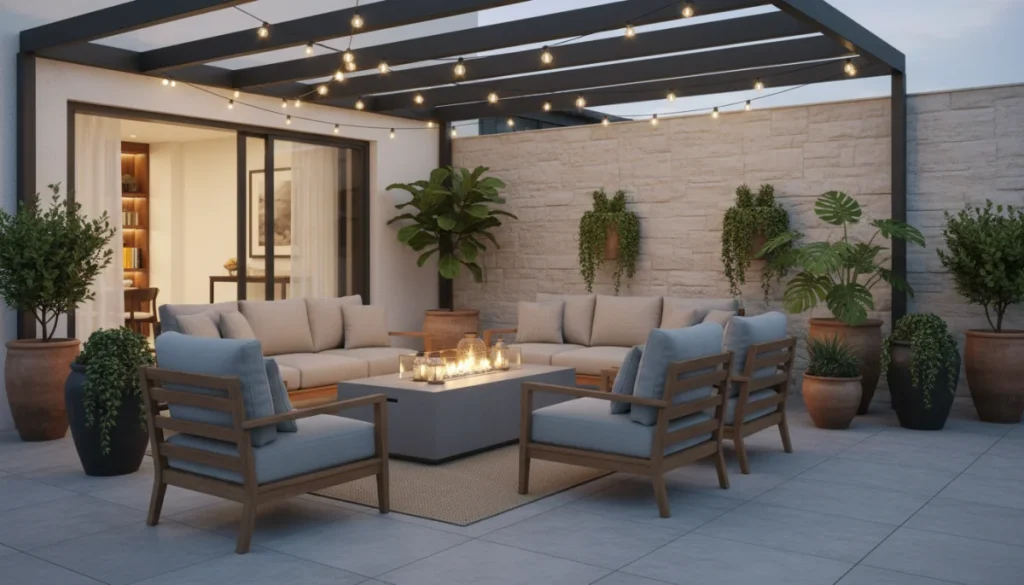
The era of single-purpose outdoor furniture is fading rapidly. Modern homeowners are gravitating toward pieces that serve multiple functions while maintaining visual appeal. Modular seating systems have emerged as a cornerstone of contemporary outdoor living trends, offering flexibility that traditional furniture simply cannot match.
Advertisement
These innovative pieces adapt to various occasions, from intimate family gatherings to larger social events. A modular sectional can transform from a cozy conversation area to additional seating for entertaining. Many designs incorporate hidden storage compartments, making them practical for stowing cushions, blankets, and outdoor entertainment accessories.
The materials used in these pieces have also evolved significantly. Manufacturers now offer weather-resistant fabrics that mimic the softness of indoor upholstery while withstanding sun, rain, and temperature fluctuations. Frame materials range from powder-coated aluminum to sustainably sourced teak, catering to different aesthetic preferences and maintenance tolerances.
Key features driving popularity
Several characteristics make modular furniture a top choice among outdoor living trends this year. First, the adaptability factor cannot be overstated. Families with changing needs can reconfigure their outdoor seating without purchasing new pieces. Second, the aesthetic cohesion with indoor living spaces creates a seamless transition between inside and outside.
Advertisement
Third, many modular systems now include integrated technology features such as built-in charging ports and adjustable lighting. This convergence of comfort and convenience positions modular furniture as a foundational element of modern outdoor design.
- Configurable layouts adapt to any gathering size
- Weather-resistant materials extend product lifespan
- Integrated storage reduces clutter
- Coordinated design language with indoor spaces
Smart outdoor technology integration
Technology has become an inseparable part of our indoor lives, and outdoor spaces are following suit. Smart outdoor technology represents one of the most significant outdoor living trends of 2026, bringing convenience, security, and entertainment to backyard environments.
Intelligent lighting systems lead this category, with options ranging from app-controlled string lights to sophisticated landscape lighting that automatically adjusts based on ambient conditions. These systems allow homeowners to create customized atmospheres for different occasions, whether it’s a romantic dinner or a lively backyard party.
Outdoor audio solutions have similarly advanced. Weather-resistant speakers can now deliver high-fidelity sound that rivals indoor systems. Many homeowners integrate these into whole-home audio ecosystems, enabling seamless music playback throughout the property. Smart thermostats for outdoor heating systems ensure comfort while optimizing energy consumption.
Security technology has also found its way into outdoor living spaces. Smart cameras, motion-activated lighting, and integrated alarm systems provide peace of mind while enhancing the functionality of outdoor areas. These systems can be monitored remotely, allowing homeowners to stay connected to their property regardless of physical location.
The convergence of these technologies creates outdoor environments that are both sophisticated and user-friendly. Voice control compatibility means adjusting settings without interrupting conversations or activities. Automation routines can coordinate lighting, music, and climate control for predictable experiences.
Sustainable and eco-conscious materials
Environmental responsibility influences purchasing decisions across all categories, and outdoor living trends reflect this shift dramatically. Sustainable materials have moved from niche alternatives to mainstream options, driven by both ecological concern and superior performance characteristics.
Recycled composite decking has gained substantial market share, offering the appearance of traditional wood without the maintenance requirements or environmental impact. These materials resist fading, staining, and warping better than natural wood while containing significant recycled content. Manufacturers increasingly emphasize the lifecycle benefits of these products.
Furniture constructed from recycled plastics, ocean-bound plastics, and reclaimed materials has shed any stigma of being inferior. Modern production techniques create pieces that are both aesthetically pleasing and environmentally responsible. The durability of these materials often exceeds traditional alternatives, reducing replacement frequency and associated waste.
Native plant landscaping represents another dimension of sustainable outdoor living trends. Homeowners are recognizing the benefits of indigenous plantings, which require less water, fewer chemical treatments, and provide habitat for local wildlife. Rain gardens and permeable surfaces manage stormwater naturally while adding beauty to outdoor spaces.
Environmental benefits driving adoption
The advantages of sustainable outdoor materials extend beyond environmental impact. Reduced maintenance requirements appeal to busy homeowners seeking to minimize time spent on yard work. The longevity of quality sustainable products often provides better long-term value despite higher initial costs.
Many communities now offer incentives for sustainable landscaping and outdoor improvements, further encouraging adoption. Homeowners associations increasingly accept composite materials and native plantings, removing previous barriers to implementation.
- Lower maintenance requirements save time and money
- Extended product lifecycles reduce waste
- Local sourcing decreases transportation emissions
- Native plantings support local ecosystems
Outdoor kitchen and dining innovations
The outdoor kitchen has evolved from a simple grill station to a comprehensive cooking and entertaining center. This category exemplifies how outdoor living trends have focused on creating fully functional living spaces rather than mere decorative additions.
Modern outdoor kitchens incorporate professional-grade appliances designed specifically for exterior installation. High-performance grills, side burners, refrigeration, and even pizza ovens create cooking capabilities that rival indoor kitchens. Weather-resistant cabinetry provides ample storage for cookware, utensils, and supplies.
Counter space considerations have driven innovation in material selection. Porcelain, granite, and concrete surfaces offer durability and aesthetics suitable for outdoor conditions. Many designs include bar seating areas that encourage social interaction while meals are prepared.
Dining furniture within these spaces has similarly evolved. Weather-resistant tables and chairs accommodate regular use while maintaining appearance through seasons of exposure. Some homeowners incorporate fire features that extend dining seasons into cooler months, maximizing the return on their outdoor kitchen investment.
The layout philosophy for outdoor kitchens emphasizes workflow efficiency similar to interior kitchen design. Strategic placement of cooking, prep, and serving areas creates functional spaces that make outdoor entertaining effortless. Many designs include beverage centers with ice makers and wine refrigerators.
Water features and ambient elements
Creating atmosphere has become a primary focus of outdoor living trends, with water features and ambient elements leading the way. These additions transform ordinary patios into relaxing retreats that engage multiple senses.
Water features range from elaborate waterfalls and koi ponds to simple tabletop fountains. The sound of moving water creates a natural ambiance that masks unwanted noise from traffic or neighbors. Modern recirculating systems make water features environmentally responsible while requiring minimal maintenance.
Fire features have similarly grown in popularity, offering warmth and visual appeal during cooler evenings. Options include fire pits, fire tables, and dramatic wall-mounted installations. Propane, natural gas, and wood-burning options accommodate different preferences and installation requirements.
String lights, lanterns, and architectural lighting create evening ambiance that extends usable hours of outdoor spaces. The warm glow of carefully placed lighting transforms functional areas into inviting retreats. Smart lighting systems allow for automated adjustment and customization.
Textural elements contribute significantly to the sensory experience of outdoor spaces. The combination of soft seating, smooth surfaces, and natural textures creates environments that encourage relaxation. Living walls and vertical gardens add greenery while maximizing limited space.
Privacy solutions and zoning
As outdoor living spaces become more integral to daily life, privacy and zoning have emerged as critical considerations. Modern solutions address these needs while maintaining aesthetic appeal and connection to natural surroundings.
Natural screening through strategic plantings provides privacy while adding beauty and environmental benefits. Ornamental grasses, evergreen shrubs, and climbing vines create living barriers that soften boundaries without appearing fortress-like. Layered plantings offer additional privacy as they mature.
Architectural screening solutions have evolved beyond simple fence panels. Modern designs incorporate materials that provide privacy while allowing light and air circulation. Louvered screens, perforated metal panels, and composite slat systems offer contemporary aesthetics with functional benefits.
Zoning within outdoor spaces helps define different functional areas. Pergolas, arbors, and shade structures create visual separation between dining, lounging, and activity areas. These elements also provide weather protection, extending comfortable use of spaces during sunny or rainy conditions.
The combination of privacy solutions and thoughtful zoning creates outdoor rooms that feel distinct from surrounding environments. Homeowners can enjoy their spaces without feeling exposed, whether relaxing alone or entertaining guests. This sense of enclosure transforms outdoor areas into true extensions of the home.
What comes next
The evolution of outdoor living trends shows no signs of slowing. Emerging technologies will continue to blend with traditional design principles, creating increasingly sophisticated exterior environments. The lines between indoor and outdoor living will continue to blur as homeowners seek seamless transitions and expanded living space.
Anticipated developments include enhanced integration of artificial intelligence in outdoor systems, greater adoption of renewable energy solutions for outdoor appliances, and continued innovation in materials science. Sustainability will remain a driving force, with circular economy principles influencing product design and manufacturing.
As remote work persists for many Americans, the demand for functional outdoor workspace solutions may increase. Shaded areas with reliable Wi-Fi and power access could become standard features in forward-thinking designs. The outdoor office may transition from temporary pandemic accommodation to permanent home office extension.
Understanding these trends helps homeowners make strategic decisions about outdoor improvements. Whether undertaking comprehensive renovations or making incremental upgrades, focusing on elements that align with broader movements ensures investments remain relevant and valuable. The transformation of outdoor living spaces reflects broader societal shifts toward quality of life, environmental consciousness, and integrated living.
| Trend Category | Key Benefits |
|---|---|
| Modular Furniture | Flexibility, multi-functionality, adaptable to changing needs |
| Smart Technology | Convenience, security, enhanced entertainment options |
| Sustainable Materials | Environmental responsibility, durability, reduced maintenance |
| Outdoor Kitchens | Complete cooking functionality, entertainment enhancement |
Impact and implications
The transformation represented by these outdoor living trends extends beyond aesthetic improvements to the properties themselves. Homes with well-designed outdoor spaces consistently command higher market values, reflecting buyer recognition of the additional living area these features provide. The investment in outdoor living improvements often yields returns exceeding initial expectations.
Beyond financial considerations, these trends reflect changing priorities in how we live. The recognition that outdoor spaces contribute meaningfully to quality of life has shifted perspectives on home design. Families increasingly view their outdoor areas as essential living space rather than optional appendages to the main residence.
The environmental dimension of these trends deserves particular attention. Sustainable outdoor living practices contribute to broader conservation efforts while often providing superior practical benefits. As awareness grows, expect continued innovation in eco-friendly outdoor products and design approaches.
For homeowners considering improvements, the current landscape offers unprecedented options. Whether prioritizing technology integration, sustainability, entertainment capability, or simply creating a peaceful retreat, outdoor living trends provide pathways to achieve these goals. The key lies in thoughtful selection of elements that complement each other and serve the specific needs of each household.