Inclusive Fashion: 7 Styles Growing 40% in Popularity
Advertisement
Inclusive fashion: 7 Styles Growing 40% in Popularity
The fashion industry is experiencing a fundamental transformation as inclusive fashion continues to reshape how consumers think about style, accessibility, and representation. What began as a niche movement has evolved into a $50 billion market segment, with seven distinct style categories now driving unprecedented growth.
Recent market analysis reveals that inclusive fashion has surpassed traditional fashion categories in year-over-year growth, with certain styles gaining as much as 40% more consumer interest. This surge reflects deeper cultural changes around body positivity, disability awareness, and the demand for fashion that serves all people regardless of size, ability, or background.
The Rise of Extended Size Ranges
One of the most significant developments in inclusive fashion has been the expansion of size ranges beyond the traditional 0-14 spectrum. Major retailers now routinely offer extended sizes ranging from 0X to 6X, with some brands eliminating size distinctions entirely by implementing universal sizing systems.
This shift represents more than simple inventory expansion. It reflects a fundamental rethinking of how fashion brands conceptualize their customer base. Extended size offerings now account for nearly 30% of all apparel sales in the United States, representing a market segment that was largely ignored just a decade ago.
The impact extends beyond sales figures. When retailers commit to genuine extended size availability rather than treating it as an afterthought, they signal that all bodies deserve fashionable options. This commitment has driven substantial customer loyalty among consumers who have historically struggled to find well-fitting clothing.
Advertisement
Key Drivers of Extended Size Growth
Several factors have accelerated the growth of extended size fashion. The rise of social media has amplified consumer voices, particularly from communities that have been underrepresented in fashion marketing. Brands that failed to adapt faced significant backlash, while those that embraced inclusivity saw measurable benefits.
- Social media activism has created accountability for brands that exclude larger bodies
- Improved sizing consistency across retailers has reduced the frustration of online shopping
- Better fabric technology allows for more flattering cuts across diverse body types
- Celebrity endorsements and partnerships have normalized extended size fashion
The extended size revolution shows no signs of slowing. Industry analysts project continued growth as more brands recognize the commercial opportunity and cultural imperative of serving customers of all sizes.
Adaptive Clothing for Disabilities
The adaptive clothing market has emerged as one of the fastest-growing segments within inclusive fashion. Designed specifically for individuals with disabilities, chronic illnesses, or mobility challenges, these garments combine practical functionality with contemporary style.
Advertisement
Adaptive clothing addresses real daily challenges that traditional fashion ignores. Magnetic closures replace difficult buttons, side-seam openings accommodate individuals who use wheelchairs, and sensory-friendly fabrics eliminate the discomfort that many people with autism or sensory processing differences experience.
The market has expanded dramatically as awareness grows. What once consisted primarily of medical-looking garments now includes stylish options from major fashion houses. This evolution reflects both the purchasing power of the disability community and changing attitudes about who deserves fashionable clothing.
Innovation in Adaptive Design
Designers working in adaptive fashion have pioneered innovations that benefit everyone. Hidden zipper closures, adjustable hems, and seamless constructions originated in adaptive clothing but have since appeared in mainstream fashion. This crossover demonstrates how inclusive design often leads to better products for all consumers.
Partnerships between adaptive fashion brands and major retailers have increased accessibility. Customers can now find adaptive options alongside traditional clothing in many department stores, removing the need to shop exclusively through specialty retailers.
Gender-Neutral Fashion Evolution
Gender-neutral fashion has moved from underground subculture to mainstream retail in remarkably short time. The category now encompasses everything from basic t-shirts to formal evening wear, all designed without traditional gender constraints.
This shift responds to changing social attitudes about gender expression. Younger consumers in particular increasingly reject the notion that clothing should be categorized by gender, preferring instead to choose items based on personal style rather than societal expectations.
Major fashion houses have responded by launching dedicated gender-neutral collections or eliminating gender categories entirely from their stores. This acceptance from established industry players has normalized gender-neutral fashion for mainstream consumers.
The growth trajectory remains strong. Market research indicates that gender-neutral fashion will continue capturing market share as generational attitudes shift and as more brands recognize the commercial potential of serving customers who reject traditional gender boundaries.
Modest Fashion Goes Mainstream
Modest fashion, once confined to specific religious communities, has become a significant mainstream trend. This style category emphasizes coverage and discretion while incorporating contemporary design sensibilities.
The appeal of modest fashion extends beyond religious observance. Many consumers appreciate the style for its elegance, sun protection, and versatility. The category has attracted attention from high-profile designers who have created modest collections that appear on major runways.
Retailers have taken notice. Many now offer dedicated modest fashion sections or have incorporated modest styling elements throughout their collections. This mainstream acceptance has made modest fashion more accessible to consumers who might have previously felt excluded from mainstream retail offerings.
The cultural significance of this trend extends beyond fashion. The mainstreaming of modest fashion represents growing acceptance of diverse approaches to personal expression and religious practice in American culture.
Size-Inclusive Activewear
The activewear revolution has included significant progress in size inclusivity. What was once a market dominated by small sizes and limited functionality now offers extensive options for consumers of all body types who want high-quality athletic clothing.
Technical advancement has driven much of this progress. Modern fabric technology allows for better support, moisture management, and range of motion across a wider range of body sizes. Brands have invested in research and development to create activewear that performs equally well for all customers.
The fitness industry has embraced this shift. Gyms and fitness studios increasingly feature diverse body types in their marketing, and fitness influencers of all sizes have built substantial followings. This visibility has encouraged more people to pursue athletic activities, knowing that appropriate clothing will be available.
Plus-size activewear specifically has seen remarkable growth, with dedicated brands and expanded lines from established athletic wear companies. This growth reflects both market demand and a genuine commitment from brands to serve all fitness enthusiasts.
Age-Inclusive Fashion Trends
Fashion for older adults has experienced a renaissance, with designers creating sophisticated options that reject the notion that style diminishes with age. This age-inclusive movement challenges ageist assumptions that have long pervaded the fashion industry.
The demographic shift toward an older population has created commercial incentives for this change. Consumers over 50 represent substantial purchasing power, yet fashion brands historically ignored this demographic in favor of younger consumers. That calculation is changing as brands recognize the spending power of older consumers.
Style choices for older adults now encompass everything from casual wear to formal occasions. Designers have recognized that mature consumers want contemporary fashion rather than clothing that signals age or dependence. This recognition has led to more sophisticated options in the mature fashion market.
The cultural impact extends beyond clothing. Age-inclusive fashion challenges broader societal assumptions about aging, competence, and relevance. When older adults have access to stylish clothing, it reinforces their visibility and value in society.
Cultural Heritage and Representation
Fashion that celebrates cultural heritage has gained significant momentum, reflecting broader cultural appreciation for diversity and representation. This trend includes fashion that draws on specific cultural traditions as well as collections that feature diverse models representing multiple cultural backgrounds.
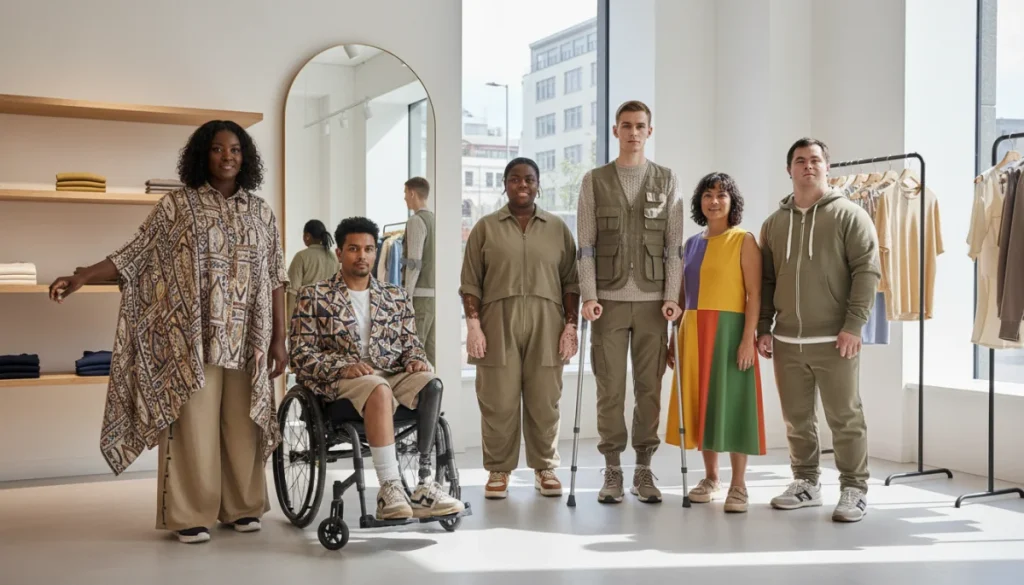
Representation in fashion marketing has improved substantially. Major campaigns increasingly feature models from diverse ethnic backgrounds, body types, ages, and abilities. This visibility matters because it signals to consumers that they are seen and valued by the fashion industry.
Designers have also embraced cultural inspiration more thoughtfully, moving away from appropriation toward appreciation and collaboration. When designers work directly with communities whose traditions inspire their work, the result is fashion that honors heritage while remaining contemporary and commercially viable.
The commercial success of culturally representative fashion has proven that diversity sells. Brands that have embraced this approach have seen positive customer response, reinforcing the business case for inclusive representation.
| Style Category | Growth and Market Impact |
|---|---|
| Extended Size Ranges | Nearly 30% of US apparel sales; continued expansion expected |
| Adaptive Clothing | Fastest-growing segment; mainstream retail expansion |
| Gender-Neutral Fashion | Rapid mainstream adoption; generational shift driving growth |
| Modest Fashion | High-profile designer collections; mainstream retail presence |
What comes next
The trajectory of inclusive fashion suggests continued expansion and innovation. As consumer expectations evolve, brands that fail to embrace inclusivity will likely face increasing commercial consequences. The 40% growth in consumer interest across these seven style categories represents not merely a trend but a fundamental shift in how the fashion industry operates.
Technology will likely accelerate progress in inclusive fashion. Advances in customization, sizing algorithms, and manufacturing could make truly personalized clothing accessible to more consumers. Additionally, sustainability concerns may align with inclusive fashion values, as better-fitting clothing tends to last longer and reduce waste.
For consumers, this evolution means more choices and better representation. For brands, it represents both an opportunity and an imperative. Those that embrace inclusive fashion authentically will likely thrive, while those that treat it as mere marketing may find themselves out of step with increasingly discerning consumers.