Spring Fashion Trends 2026: 4 Key Styles Defining New Season
Advertisement
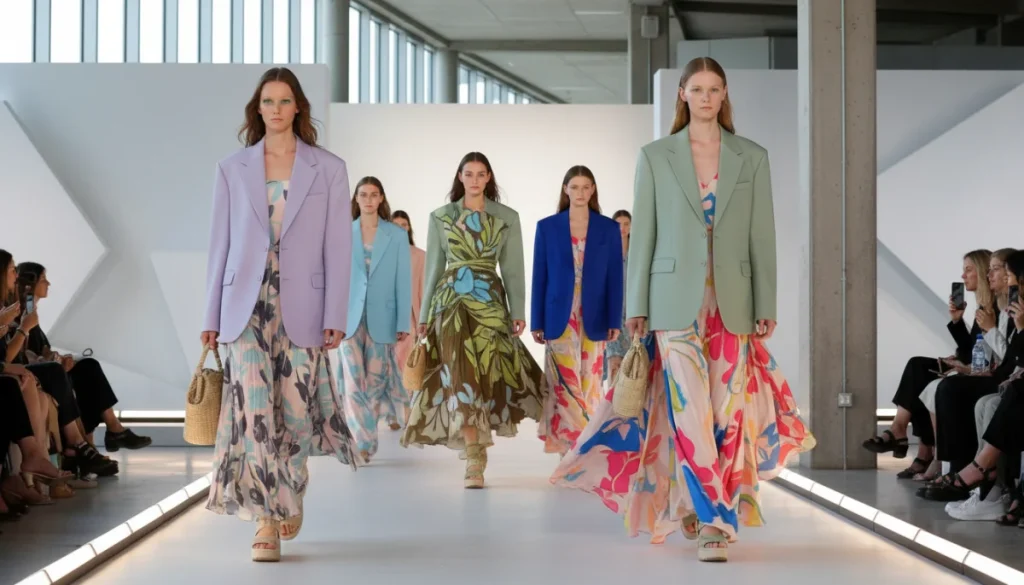
The spring fashion trends of 2026 are marking a decisive shift toward sustainable luxury, fluid silhouettes, and nostalgic revival. Four key styles—sustainable couture, oversized tailoring, retro-modern fusion, and tactile textiles—are dominating runways and reshaping consumer expectations. Understanding these movements helps readers make informed wardrobe decisions for the season ahead.
Spring fashion trends: the styles defining 2026 collections
The fashion industry enters spring 2026 with a renewed sense of purpose. After years of rapid turnover and fleeting micro-trends, designers are presenting collections that speak to longevity, conscious consumption, and emotional resonance. The result is a season defined not by novelty for its own sake, but by thoughtful evolution.
For consumers navigating the marketplace, recognizing these patterns offers more than aesthetic guidance—it provides a framework for building wardrobes that feel relevant, responsible, and personally expressive. The four dominant spring fashion trends outlined here represent the most significant stylistic currents shaping the season.
Sustainable luxury takes center stage
Perhaps no other development characterizes the spring fashion trends of 2026 more powerfully than the mainstreaming of sustainable luxury. What was once a niche concern reserved for specialized labels has become a defining principle across high fashion and accessible price points alike.
Designers are increasingly transparent about material sourcing, production timelines, and environmental impact. This shift responds to consumer demand for accountability, but it also reflects a broader recalibration of what constitutes value in fashion. The most compelling pieces this season combine exceptional craftsmanship with verifiable sustainability credentials.
Advertisement
Recycled and upcycled materials appear in unexpected contexts. Vintage fabrics are being reimagined into contemporary silhouettes, while innovative textiles derived from agricultural waste, ocean plastics, and plant-based polymers offer tactile richness without traditional environmental costs. The result is a new category of luxury that feels both indulgent and principled.
For shoppers seeking to align their purchases with these values, the spring fashion trends offer clear entry points. Look for certifications and transparency statements from brands, inquire about garment longevity programs, and consider the versatility of each piece within an existing wardrobe. Sustainable luxury is not simply a trend—it represents a fundamental restructuring of how fashion creates and delivers value.
Oversized tailoring reimagines professional wear
The pendulum of silhouette trends continues its sweep toward relaxation and self-expression. After years of streamlined, body-conscious styling, spring 2026 brings oversized tailoring into sharp focus. This development extends beyond casual wear into professional and evening contexts, challenging traditional boundaries between formal and informal dress codes.
Advertisement
The oversized blazer remains the cornerstone of this movement, but the interpretation has matured. Early iterations often appeared sloppy or unconstructed; the current wave demonstrates refined proportions, careful draping, and intentional styling. The key lies in balancing volume with intentionality—generous lines that nonetheless convey sophistication.
Trousers in wide-leg and balloon configurations pair with cropped jackets to create elongated proportions that flatter diverse body types. Some designers extend the oversized aesthetic to coats and dresses, offering fluid alternatives to structured pieces. The overall effect is one of effortless confidence, a visual statement of comfort within one’s own space.
Styling these pieces requires attention to proportion. The spring fashion trends this year favor monochromatic foundations topped with a single oversized element, creating visual anchor points. Layering remains minimal, allowing the silhouette to read clearly. For those new to oversized tailoring, beginning with a single statement piece—perhaps an oversized blazer or wide-leg trouser—and pairing it with fitted basics provides an accessible entry point.
Key elements of the oversized tailoring trend
Several specific components define how this trend manifests across collections:
- Extended shoulder lines creating dramatic proportions
- Dropped waists and relaxed hip fits
- Extended hem lengths that break at the shoe
- Minimalist hardware and concealed closures
- Neutral palettes allowing silhouette to dominate
The staying power of oversized tailoring within the broader spring fashion trends suggests this is not a fleeting novelty but a substantive shift in how consumers relate to formal and professional dress. As workplaces continue evolving toward flexibility, these silhouettes offer a bridge between comfort and credibility.
Retro-modern fusion: nostalgia with contemporary edge
Spring collections consistently reference the past, but the current season distinguishes itself through sophisticated hybridization. Rather than straightforward reproduction of vintage aesthetics, designers are extracting specific elements from multiple decades and recombining them with contemporary materials, techniques, and contexts.
The 1970s provide foundational reference points—think wide collars, flowing fabrics, and warm earth tones—while 1990s minimalism informs clean lines and restrained color usage. The synthesis produces something simultaneously familiar and fresh, appealing to those drawn to nostalgia without requiring wholesale vintage adoption.
This retro-modern fusion manifests most prominently in pattern and color choices. Psychedelic prints, geometric abstractions, and bold graphic elements recall specific moments in fashion history while appearing in contemporary fabrications and silhouettes. The effect is layered rather than literal, rewarding close inspection while reading clearly from a distance.
Accessories play an essential role in this trend, with bags, shoes, and jewelry drawing explicit inspiration from archive pieces. The spring fashion trends this year feature hardware treatments, buckle details, and silhouette references that signal vintage influence without costume-like quotation.
For those interested in incorporating retro-modern fusion into personal style, restraint proves more effective than comprehensive adoption. Selecting one or two statement pieces—perhaps a printed midi skirt or a collar-detail blouse—allows the vintage reference to enhance rather than overwhelm an existing wardrobe.
Tactile textiles and the sensory revolution
Perhaps the most immediately perceptible dimension of the spring fashion trends involves textural innovation. This season places exceptional emphasis on fabric feel, surface interest, and tactile experience. Visual impact remains important, but the新华 best collections invite touch as much as gaze.
Natural fibers receive heightened attention, with cotton, linen, and silk presented in new textures and treatments. Washed and pre-treated fabrics offer broken-in softness from first wear, while deliberate wrinkling and crinkling create visual depth that suggests history and wear. These treatments also reduce the anxiety often associated with maintaining pristine clothing, supporting the broader sustainable fashion conversation.
Innovative materials continue emerging as alternatives to conventional textiles. Mushroom leather, pineapple fiber, and lab-grown materials appear not as curiosities but as viable options within mainstream collections. These developments signal a future where material innovation drives aesthetic possibility while addressing environmental concerns.
Surface treatments including embroidery, appliqué, and deliberate distressing add dimension to garments. Knitwear expands beyond traditional seasonal boundaries, with lightweight constructions suitable for spring layering. The overall effect is wardrobe that rewards close attention, offering sensory complexity beyond initial impression.
Understanding tactile textiles helps consumers make choices aligned with personal comfort preferences. Those seeking immediate wearability might prioritize pre-washed and treated fabrics, while those interested in material innovation could explore newer sustainable alternatives. Either direction aligns with the spring fashion trends emphasizing sensory experience.
Color palettes: beyond the expected
While silhouette and material drive significant portions of the spring fashion trends, color remains a powerful differentiating factor. This season’s palette balances approachability with distinctive character, moving beyond the safe neutrals that have dominated recent years.
Warm earth tones continue strong, with terracotta, sand, and olive providing foundational options. These colors integrate easily with existing wardrobes and offer sophisticated alternatives to traditional neutrals. Their versatility makes them natural choices for those seeking to participate in broader trends without dramatic departure from personal style.
Bold accents emerge through saturated hues applied in strategic quantities. Electric blue, vivid coral, and acid yellow appear as statement elements—perhaps in accessories, linings, or single garments—rather than overwhelming total looks. This measured approach allows color experimentation within manageable parameters.
Pastels maintain presence but with refined execution. Rather than saccharine sweetness, this season’s lighter tones carry subtle warmth or depth, preventing overly precious associations. Lavender, mint, and pale peach integrate smoothly with the era’s broader emphasis on comfort and wearability.
The spring fashion trends encourage thoughtful color engagement. Building a seasonal palette around versatile earth tones while adding one or two accent colors creates coherent yet interesting combinations. This approach aligns with the season’s emphasis on intentional, considered dressing.
What comes next
The spring fashion trends of 2026 extend beyond seasonal relevance to signal longer-term industry evolution. Sustainable practices, comfortable silhouettes, nostalgic reference, and sensory richness represent not merely this season’s defining characteristics but directions likely to influence coming years.
For consumers, understanding these patterns supports more deliberate wardrobe decisions. Investing in pieces that align with these broader currents—sustainable construction, versatile silhouette, quality materials—ensures relevance beyond immediate moment. The spring fashion trends reward thoughtful engagement over impulsive response.
Looking ahead, expect continued refinement of these themes rather than dramatic departure. The industry appears to have moved past the cycle of rapid trend turnover that characterized previous decades, settling into more deliberate evolution. This shift benefits both environmental sustainability and consumer sanity, offering stable frameworks within which personal style can develop authentically.
The convergence of comfort, consciousness, and character defines this moment in fashion. Those navigating the spring fashion trends have opportunity to build wardrobes that serve practical needs while expressing individual values and aesthetic preferences. The season invites participation in something larger—a recalibration of what fashion means and how it functions within contemporary life.
| Trend | Key Characteristics |
|---|---|
| Sustainable Luxury | Transparent sourcing, recycled materials, craftsmanship over consumption |
| Oversized Tailoring | Relaxed silhouettes, extended proportions, professional-to-casual versatility |
| Retro-Modern Fusion | Decade hybridization, nostalgic prints, contemporary reinterpretation |
| Tactile Textiles | Surface interest, innovative materials, sensory experience priority |
Impact and implications
The spring fashion trends reshaping 2026 collections carry implications extending well beyond aesthetic consideration. The emphasis on sustainability addresses urgent environmental concerns while responding to consumer demand for transparency and accountability. Oversized tailoring reflects evolving workplace norms and comfort priorities in daily life. Retro-modern fusion speaks to a cultural moment seeking grounding in familiar references while embracing innovation. Tactile textiles remind us that clothing serves sensory as well as visual needs.
For those building wardrobes aligned with these currents, the opportunity lies in thoughtful integration rather than wholesale transformation. Selecting pieces that embody these principles—perhaps one sustainable investment, one oversized tailoring piece, one retro-modern accessory, one tactile textile—allows participation in broader movements without sacrificing individual expression.
The spring fashion trends of 2026 ultimately offer a model for more conscious, considered engagement with personal style. By understanding the currents shaping the season, consumers can make choices that serve immediate needs while contributing to longer-term transformation of how fashion functions within culture and commerce.