Sustainable Home Products: 5 Eco-Friendly Choices for 2026
Advertisement
Sustainable home products: 5 eco-friendly choices transforming modern living
The way Americans furnish and decorate their homes is undergoing a quiet revolution. Walk into any major retailer or browse online marketplaces, and you will notice a marked shift in product labeling, materials, and company messaging. Sustainable home products have moved from niche specialty shops into the mainstream consciousness, driven by consumer demand, environmental awareness, and innovations in manufacturing.
In 2026, the market responds to this demand with increasingly sophisticated options that do not force buyers to choose between aesthetics and environmental responsibility. From kitchen essentials to bedroom textiles, the sustainable category has matured into something far more interesting than simple recycled paper products. This evolution reflects broader changes in how we think about our living spaces and their impact on the planet.
The rise of sustainable materials in everyday items
Manufacturers have finally cracked the code on creating sustainable home products that perform as well as their conventional counterparts. The early days of eco-friendly options often meant sacrificing durability, aesthetics, or functionality. Today’s offerings tell a different story entirely.
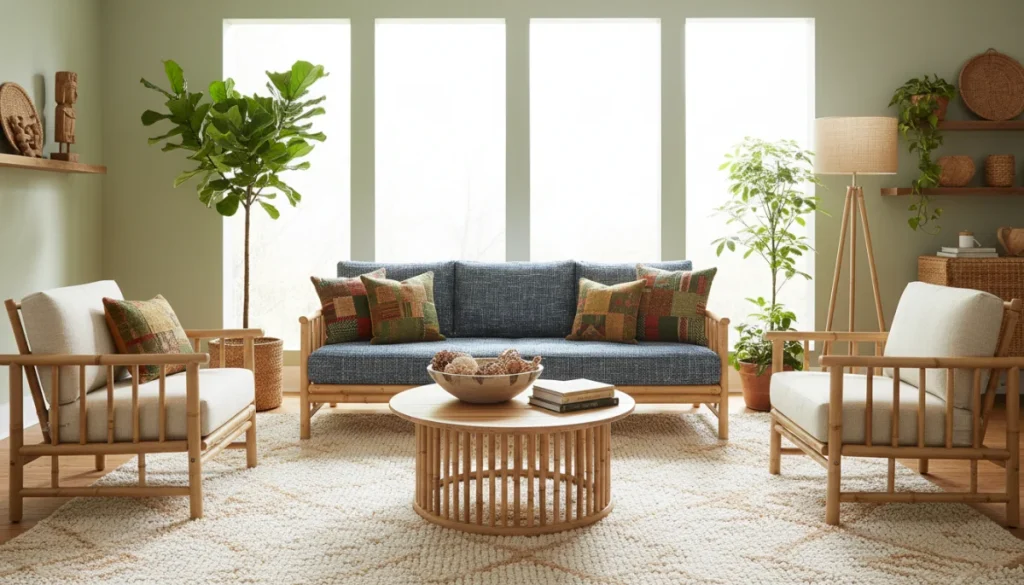
Bamboo has emerged as one of the most versatile materials in the sustainable home space. Its rapid growth cycle, requiring minimal water and no pesticides, makes it an excellent alternative to traditional hardwoods. Bamboo flooring, once considered a specialty item, now accounts for significant market share in the flooring industry. Its natural resistance to moisture and insects adds practical benefits that appeal to homeowners beyond environmental concerns.
Cork represents another material gaining substantial traction. Harvested from the bark of cork oak trees without harming the trees themselves, cork provides excellent insulation, sound absorption, and comfort underfoot. Sustainable home products utilizing cork include wall tiles, flooring, and decorative accessories that bring warmth to any room. The unique cellular structure of cork also makes it naturally antimicrobial, a feature that resonates with health-conscious consumers.
Advertisement
Key sustainable materials transforming homes
- Bamboo — Fast-growing, durable, and naturally resistant to moisture
- Cork — Renewable, antimicrobial, and excellent for insulation
- Recycled glass — Transforms waste into beautiful tiles and decor pieces
- Organic cotton — Grown without harmful pesticides, ideal for textiles
- Reclaimed wood — Gives existing materials new life with unique character
The supply chain transparency that consumers increasingly demand has pushed many companies to certify their sustainable home products through recognized organizations. Certifications from bodies like Forest Stewardship Council, Global Organic Textile Standard, and Cradle to Cradle provide assurance that environmental claims hold up to scrutiny. This verification layer has built trust and accelerated adoption across demographic groups.
Kitchen essentials that reduce waste
The kitchen remains the heart of the sustainable home products movement, and for good reason. Households generate significant waste through food storage, meal preparation, and disposable items. Addressing these touchpoints creates measurable environmental impact while often saving money over time.
Beeswax food wraps have emerged as a compelling alternative to plastic wrap and aluminum foil. Made from organic cotton infused with beeswax, jojoba oil, and tree resin, these wraps can be reused for up to a year with proper care. They conform to container shapes, create a natural seal, and decompose completely at the end of their useful life. The initial investment typically pays for itself within months compared to continuously purchasing disposable wrap.
Advertisement
Reusable silicone food bags represent another significant advancement in sustainable kitchen products. Unlike their single-use plastic ancestors, these bags seal tightly, withstand freezing and heating, and clean easily for repeated use. They come in various sizes suitable for everything from sandwich storage to bulk ingredient organization. The shift represents a small change in habit that yields substantial waste reduction over time.
Compostable dish brushes and scrubbers have also gained popularity as consumers seek alternatives to plastic-bristled brushes that end up in landfills. Natural fiber brushes with wooden handles decompose naturally, while replaceable heads reduce overall consumption. These products demonstrate that sustainable home products can maintain the cleaning power consumers expect while eliminating plastic from routine household tasks.
Lighting the way toward energy efficiency
Lighting accounts for a substantial portion of household energy consumption, making it a critical area for sustainable improvement. The transition from incandescent to LED lighting already represents significant progress, but sustainable home products in the lighting category extend far beyond bulb replacement.
Solar-powered ambient lighting has become increasingly sophisticated, offering homeowners ways to reduce grid dependency while creating inviting outdoor and indoor environments. Modern solar lights feature improved battery storage, allowing them to provide illumination well after sunset. String lights, pathway markers, and decorative lanterns now come with solar options that eliminate the need for electrical wiring in many applications.
Smart lighting systems contribute to sustainability through optimization rather than replacement. These systems learn household patterns and adjust lighting levels automatically, ensuring lights are on only when needed. Integration with natural light sensors means artificial lighting dims on sunny days, maximizing daylight utilization. The energy savings accumulate meaningfully over time, and the convenience factor makes adoption feel effortless.
Lighting fixtures themselves have become more sustainable through thoughtful design. Many manufacturers now offer fixtures made from recycled materials, including reclaimed metals and repurposed glass. Some companies have pioneered modular designs that allow component replacement rather than complete fixture disposal when individual parts fail. This approach to product design reflects the broader circular economy principles increasingly embedded in sustainable home products philosophy.
Textiles and bedding for conscious comfort
The bedroom offers perhaps the most personal connection to sustainable home products. We spend roughly one-third of our lives sleeping, and the textiles surrounding us matter for both comfort and environmental footprint. The industry has responded with increasingly innovative options that prioritize organic materials and ethical manufacturing.
Organic cotton bedding has become widely accessible, with thread counts and softness matching or exceeding conventional alternatives. Grown without synthetic pesticides or fertilizers, organic cotton protects soil health and reduces water contamination in farming communities. The certification process ensures traceability from farm to finished product, allowing consumers to verify environmental claims with confidence.
Tencel and modal fabrics, derived from sustainably harvested wood pulp, offer luxurious feel with strong environmental credentials. The closed-loop production process recycles water and solvents, minimizing waste and pollution. These fabrics breathe well, resist wrinkles, and biodegrade completely at the end of their lifecycle. Sustainable home products featuring these materials represent the intersection of luxury and responsibility that modern consumers increasingly seek.
Hemp bedding deserves special mention for its remarkable durability and sustainability profile. Hemp grows rapidly with minimal water and naturally resists pests, eliminating the need for chemical interventions. The resulting textiles become softer with each wash while maintaining structural integrity for years longer than conventional alternatives. While initially more expensive, the longevity of hemp bedding makes it economically competitive over time.
Decor and organization with purpose
Beyond functional essentials, sustainable home products increasingly include decorative items that allow personal expression without environmental guilt. The stigma that eco-friendly meant sacrificing style has largely disappeared, replaced by recognition that sustainability and aesthetics can reinforce each other.
Upcycled decorative accessories have moved from craft fairs into mainstream retail. What was once limited to handmade items now includes professionally manufactured products transformed from industrial waste streams. Glass bottles become vases, reclaimed wood becomes wall art, and recycled metals become sculptural elements. Each piece carries unique character while keeping materials out of landfills.
Organizational systems made from sustainable materials help maintain order while supporting environmental values. Bamboo closet systems, rattan storage baskets, and recycled cardboard organizers offer alternatives to plastic storage solutions. These products prove that organization and sustainability can coexist beautifully, encouraging consumers to extend their commitment throughout their living spaces.
Indoor plants remain the original sustainable home product, providing natural air purification while connecting inhabitants to natural elements. The surge in houseplant popularity reflects broader desire to bring nature indoors, and the sustainable movement has embraced this trend with organically grown, pesticide-free options. Planters made from recycled materials complete the cycle of environmental consideration.
Making the transition: practical steps forward
Adopting sustainable home products does not require immediate complete transformation. The most successful transitions happen gradually, allowing households to adjust habits and assess what works for their particular circumstances. Starting with high-impact, frequently used items maximizes environmental benefit while building confidence in sustainable alternatives.
Kitchen and bathroom products often provide the best starting point because they involve regular replacement cycles. Switching to reusable produce bags, compostable paper products, or bamboo kitchen tools requires minimal lifestyle adjustment while demonstrating tangible commitment to sustainability. These small changes compound over time, creating meaningful aggregate impact.
Research before purchasing helps avoid greenwashing, the practice of making misleading environmental claims. Looking for third-party certifications, examining company sustainability reports, and reading consumer reviews all contribute to informed decisions. The sustainable home products movement benefits when consumers demand honesty and accountability from manufacturers.
Budget considerations vary by product category, but many sustainable options prove economical over their lifecycle despite higher upfront costs. Durability often exceeds conventional alternatives, reducing replacement frequency. Energy-efficient appliances and lighting reduce ongoing utility expenses. The total cost of ownership frequently favors sustainability despite higher initial investment.
| Category | Key Benefits |
|---|---|
| Kitchen Essentials | Reduces plastic waste, saves money over time, compostable |
| Sustainable Materials | Durable, renewable, low environmental impact |
| Energy-Efficient Lighting | Lowers electricity use, smart optimization features |
| Organic Textiles | Chemical-free, ethically produced, long-lasting |
What comes next for eco-conscious homeowners
The trajectory suggests continued acceleration in sustainable home products availability and sophistication. Manufacturers increasingly recognize that environmental responsibility represents not merely a marketing angle but a fundamental expectation among contemporary consumers. This market validation encourages continued innovation and investment in sustainable alternatives.
Policy developments at state and local levels may further accelerate adoption through incentives and regulations. Tax credits for energy-efficient home improvements, restrictions on single-use plastics, and requirements for sustainability labeling all shape consumer behavior and industry response. The regulatory environment continues evolving in ways that favor sustainable options.
Technology will likely play an expanding role in helping consumers track and optimize their environmental impact. Smart home systems already monitor energy use, and future integration with sustainable product choices could provide comprehensive carbon footprint tracking. This data-driven approach appeals to the analytical mindset many sustainable consumers share.
The transformation of American homes toward sustainability reflects broader cultural shift toward environmental consciousness. Sustainable home products represent tangible expression of values that extend beyond individual households into community and global impact. Each purchase decision becomes part of larger movement toward more responsible consumption patterns.