How to Decode Fashion Care Labels in 2026
Advertisement
How to decode fashion care labels in 2026
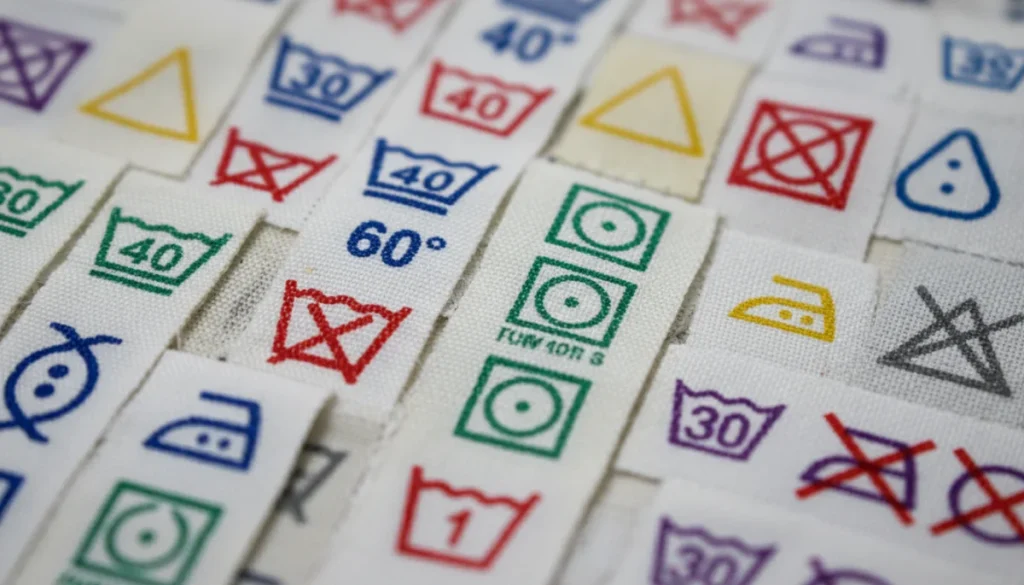
Fashion care labels are the small tags sewn into your clothing that contain vital information about how to maintain your garments. These unassuming labels carry universal symbols that tell you exactly how to wash, dry, bleach, and iron your clothes to keep them looking their best. Yet many people ignore these instructions or simply do not understand what the symbols mean.
Understanding fashion care labels can extend the life of your wardrobe significantly. When you follow the manufacturer’s recommendations, you prevent premature wear, color fading, and fabric damage. This knowledge transforms how you approach laundry day and helps you make smarter purchasing decisions.
This guide breaks down every major category of care symbols found on fashion care labels, explaining what each marking means and why it matters for your clothing’s longevity.
Understanding washing symbols on fashion care labels
The washing tub symbol is typically the first thing you will see on any care label. This symbol represents the foundation of garment maintenance, indicating whether a piece can be machine washed, requires hand washing, or must be dry cleaned only. The basic tub symbol without additional markings generally means machine washable in warm water.
When you see a tub with a number inside, that number indicates the maximum water temperature in degrees Celsius. A tub showing 30 means cold wash, 40 indicates warm, and 60 signals hot. These temperature guidelines exist because different fabrics and dyes respond differently to heat. Delicate items like silk and wool typically require temperatures of 30 degrees or lower to prevent shrinkage and damage.
Advertisement
Interpreting washing tub variations
The tub symbol sometimes appears with a hand superimposed over it, which clearly indicates hand wash only. This symbol appears on delicate fabrics that cannot withstand the agitation of machine washing. Items like cashmere sweaters, silk blouses, and lace garments often carry this designation. When you see this symbol, fill a basin with lukewarm water, use a gentle detergent, and agitate the fabric minimally.
A tub with a single line beneath represents the permanent press setting, which uses gentler agitation and cooler water. Two lines beneath indicate a delicate or gentle cycle, ideal for items that need extra care. These distinctions matter because the wrong cycle can damage elastic fibers and cause premature wear.
- Tub without lines: normal machine wash
- One line beneath: permanent press gentle cycle
- Two lines beneath: delicate or gentle cycle
- Hand over tub: hand wash only
- Crossed out tub: do not wash
The crossed-out tub symbol means the garment should not be washed at home. This appears on structured pieces like tailored blazers, leather jackets, or items with special finishes that water would ruin. Taking these items to a professional cleaner becomes necessary rather than optional.
Advertisement
Decoding drying symbols on fashion care labels
Drying symbols on fashion care labels use a square with a circle inside, representing a tumble dryer. Understanding these markings prevents the shrinkage and distortion that occurs when you dry incompatible fabrics together. The basic square with circle indicates tumble drying is permitted, while a crossed-out version means air drying is required.
When dots appear inside the dryer symbol, they indicate heat settings. One dot represents low heat, two dots mean medium heat, and three dots indicate high heat. Using the correct heat setting matters enormously because high temperatures can melt synthetic fibers, shrink natural fabrics, and damage elastic components. Always start with lower heat unless the label specifically permits higher temperatures.
The horizontal line beneath the square and circle provides critical information about air drying. A single line means flat drying is required, which prevents stretching in wet garments. Two lines indicate drip drying, where you hang the item without wringing out excess water. This method works best for heavy knits and items that might stretch if laid flat.
Natural drying alternatives
When the dryer symbol is crossed out entirely, machine drying is not recommended. Instead, you should air dry the garment. This might mean laying it flat, hanging it to dry, or drying it in the shade away from direct sunlight. Direct sunlight can cause colors to fade rapidly, particularly in vibrant garments and dark clothing.
A square with a vertical line inside indicates line drying, while a horizontal line means flat drying. The vertical line represents hanging vertically to dry, which works well for items like dresses and shirts. Flat drying works better for sweaters and heavy knits that might stretch under their own weight when hung wet.
Understanding these distinctions helps you preserve the shape and fit of your clothing. Hanging a wet wool sweater will stretch it permanently, while laying it flat to dry maintains its original dimensions.
Bleaching and chemical care symbols
The bleaching section of fashion care labels uses a triangle as its base symbol. A clear triangle means any bleach is safe to use, which typically applies to white cotton garments and sturdy fabrics that can withstand harsh chemicals. This symbol appears less frequently today as manufacturers recognize that many consumers prefer gentler cleaning alternatives.
A crossed-out triangle indicates no bleach should be used. This symbol protects delicate fabrics, colored garments, and items with special finishes that chlorine would damage. Ignoring this warning can result in yellowing, fiber degradation, and color loss that cannot be reversed.
The triangle with diagonal lines represents non-chlorine bleach only. This applies to many modern garments, particularly those with colors that might run or fade when exposed to chlorine bleach. Using oxygen-based bleaches instead provides cleaning power without the harsh effects of chlorine.
Understanding these symbols helps you choose the right cleaning products. When in doubt, skip the bleach entirely. Most modern detergents clean effectively without additional bleaching agents, and the risk of damaging your clothing outweighs any marginal cleaning benefit.
Ironing symbols and heat guidance
Ironing symbols use a stylized iron shape to communicate temperature requirements and special handling instructions. The number of dots inside the iron indicates the appropriate heat setting, with one dot representing low heat, two dots meaning medium, and three dots indicating high heat. These settings correspond to different fabric types and help prevent scorching and shine marks.
One dot, or low heat, works for synthetic fabrics like polyester, nylon, and acrylic. These materials melt or become shiny when exposed to high temperatures. Using the lowest heat setting and possibly placing a press cloth between the iron and fabric provides additional protection.
Two dots indicate medium heat suitable for silk, wool, and polyester blends. These fabrics can tolerate moderate heat but still require careful attention. Moving the iron continuously rather than holding it in place prevents heat damage.
Three dots represent high heat appropriate for cotton and linen. These natural fibers can withstand significant heat, allowing you to remove wrinkles effectively. However, some cotton items may require steam or spritzing for complete wrinkle removal.
Special ironing instructions
A crossed-out iron means do not iron, appearing on garments with heat-sensitive embellishments, prints, or synthetic coatings. These items might melt, discolor, or become damaged under heat. Professional steaming provides a safer alternative for removing wrinkles from these pieces.
The iron with curved lines beneath indicates steam ironing is permitted. Steam helps relax fibers and remove wrinkles more effectively than dry ironing. However, steam may not be appropriate for all fabrics, so check for this symbol before using the steam function.
An iron with an X through it means no steam should be used. This appears on garments that might water-spot or become damaged by moisture. Dry ironing without steam becomes the only safe option for these items.
Professional dry cleaning codes
Dry cleaning symbols use a circle as their base shape. A plain circle indicates the garment is suitable for dry cleaning, and you can take it to a professional cleaner without concern. The letters sometimes appearing inside the circle provide additional guidance about which chemicals the cleaner should use.
The letter P inside the circle means any solvent except trichloroethylene is acceptable. The letter F indicates only petroleum-based solvents should be used. These distinctions matter because some fabrics and finishes react poorly to specific cleaning chemicals.
A crossed-out circle means do not dry clean. This symbol appears on garments that water-based cleaning processes would damage or on items with decorations that cannot withstand professional solvent cleaning. Washing these items at home following the water washing instructions becomes necessary.
Understanding professional care codes helps you communicate effectively with dry cleaners. Providing the care label information ensures they treat your garments appropriately and avoids damage from incorrect cleaning methods.
Fabric composition and fiber content
Beyond care symbols, fashion care labels must include fiber content information. This section tells you what materials make up your garment, listed by percentage from highest to lowest. Knowing the fiber composition helps you understand how the garment will behave during washing and wearing.
Cotton provides breathability and comfort but can shrink when exposed to heat. Polyester offers durability and wrinkle resistance but can pill over time. Silk delivers luxury and temperature regulation but requires delicate handling. Each fiber has unique properties that influence care requirements.
Blended fabrics combine properties from multiple fibers, and the care requirements typically follow the most delicate fiber in the blend. A cotton-polyester blend might be more forgiving than pure cotton, while a silk-wool blend requires the same gentle treatment as pure silk.
Country of origin and compliance markings
Modern fashion care labels also include country of origin information, which became mandatory in certain markets. This information appears at the end of the label content and identifies where the garment was manufactured. Some labels also include compliance symbols indicating the garment meets specific safety or environmental standards.
These additional markings help consumers make informed purchasing decisions. Understanding the origin can indicate quality standards and manufacturing practices, while compliance symbols assure that testing for harmful substances has been completed.
Taking time to read the entire label, not just the care symbols, provides a complete picture of your garment’s origins and composition. This information proves valuable when assessing quality and making future care decisions.
| Symbol Category | Key Meaning |
|---|---|
| Washing tub | Machine wash temperature and cycle type |
| Square with circle | Tumble dry settings and heat levels |
| Triangle | Bleach usage permissions |
| Iron shape | Ironing temperature and steam settings |
What comes next
Fashion care labels continue evolving as sustainable fashion gains prominence. New symbols are emerging to guide consumers toward eco-friendly care practices, including guidelines for cold washing, line drying, and reducing laundry frequency. Manufacturers increasingly recognize that proper garment care extends product life and reduces environmental impact.
The knowledge you gain from reading fashion care labels translates directly into smarter wardrobe management. Your clothes last longer, look better, and maintain their value over time. This practice also reduces waste by preventing premature disposal of damaged garments.
Making a habit of checking care labels before washing new purchases protects your investment. Taking those few seconds to understand the symbols prevents costly mistakes and keeps your wardrobe looking professional and well-maintained throughout the year.