Slow Fashion vs Fast Fashion: A 12-Month Comparison Guide
Advertisement
The slow fashion movement represents a fundamental shift in how we consume clothing. Over 12 months, choosing sustainable fashion means investing in quality over quantity, supporting ethical labor practices, and reducing environmental harm. This comparison examines the real differences in cost, satisfaction, and impact between fast fashion and slow fashion approaches.
Slow Fashion vs Fast Fashion: What Changes Over 12 Months
The clothing industry stands at a crossroads. On one side, fast fashion promises affordable, trend-driven pieces that disappear from your closet almost as quickly as they arrive. On the other, the slow fashion movement offers something different — clothing built to last, produced ethically, and designed to serve you well beyond a single season.
But what actually happens when you commit to slow fashion for a full year? The differences go far beyond just what hangs in your closet. This comprehensive comparison explores the tangible changes, benefits, and challenges of embracing sustainable fashion over 12 months.
Understanding the Two Approaches
Fast fashion operates on volume and speed. Major retailers release new collections weekly, sometimes daily, encouraging consumers to buy more by offering rock-bottom prices. The model relies on cheap labor, synthetic materials, and planned obsolescence — clothing designed to fall apart or go out of style quickly.
The slow fashion movement takes the opposite approach. It emphasizes quality craftsmanship, durable materials, fair wages, and timeless design. Rather than chasing trends, slow fashion encourages building a curated wardrobe of pieces that work together, last longer, and carry less environmental burden.
Advertisement
These aren’t just different shopping strategies — they’re fundamentally different relationships with clothing and consumption. Understanding this distinction is the first step toward making informed choices about what belongs in your wardrobe.
Core Principles of Slow Fashion
The slow fashion movement rests on several key pillars that guide both production and consumption decisions. These principles shape everything from how garments are made to how consumers approach building their wardrobes.
- Quality over quantity — Investing in well-made pieces that last years rather than months
- Ethical production — Supporting brands that pay fair wages and provide safe working conditions
- Environmental responsibility — Choosing sustainable materials and reducing waste
- Timeless design — Prioritizing classic styles over disposable trends
- Mindful consumption — Buying less but buying better
Month-by-Month: The Slow Fashion Journey
Transitioning to slow fashion isn’t an overnight process. Most people find it unfolds naturally over several months, with each phase bringing new discoveries and adjustments. Here’s what a typical 12-month journey looks like.
Advertisement
The initial month often involves a reckoning with your current wardrobe. You start noticing how many fast fashion pieces you own, how many have already fallen apart, and how much money you’ve spent on clothing that didn’t last. This awareness can be uncomfortable, but it marks the beginning of a more intentional relationship with what you wear.
By month three, many people begin researching brands and learning about sustainable materials. You discover terms like organic cotton, recycled polyester, and Tencel. You start understanding certification systems like GOTS and Fair Trade. Knowledge replaces impulse as your primary shopping driver.
Months four through six bring the first slow fashion purchases. These items feel different — the weight of quality fabric, the attention to stitching, the way the garment fits differently than anything you’ve owned before. The price tag might be higher, but you’re beginning to understand why.
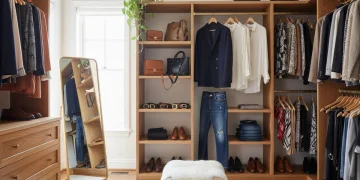
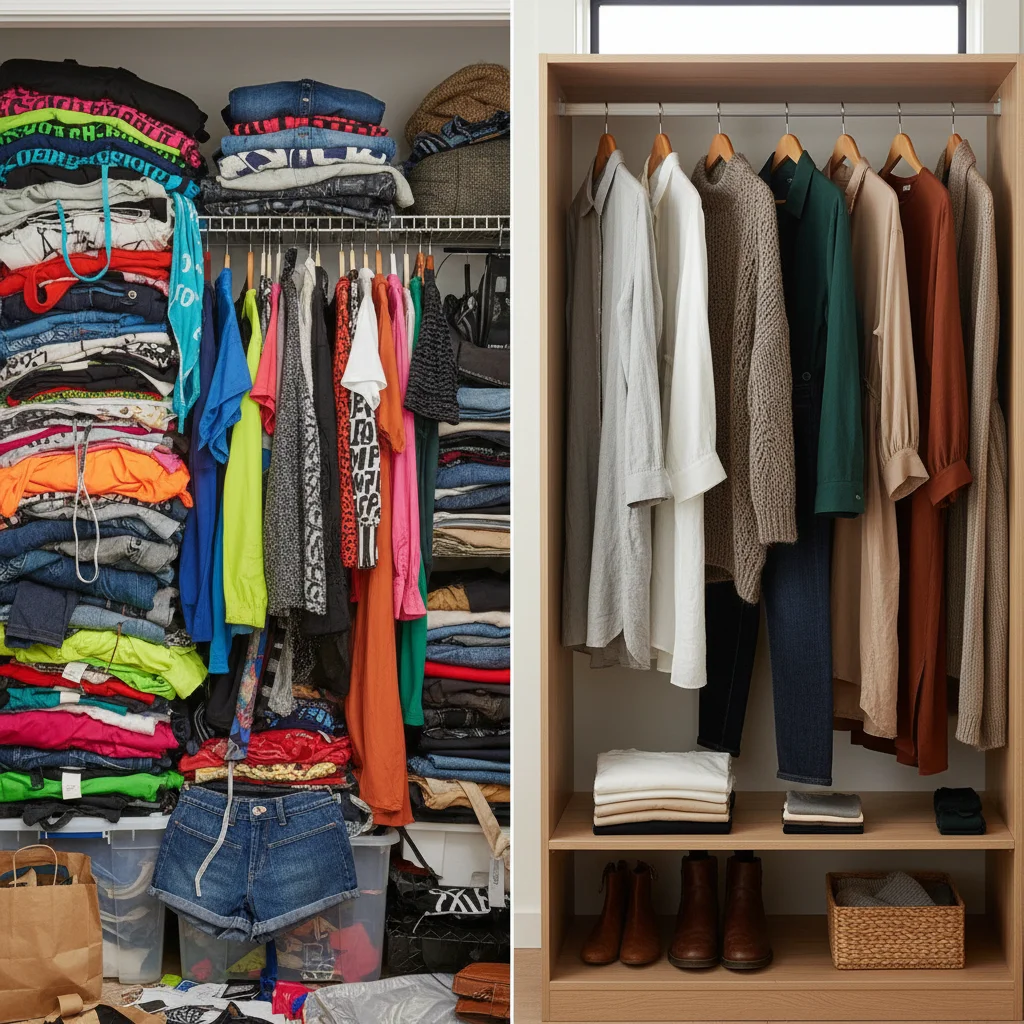
By month nine, the transformation becomes visible in your closet. Fewer pieces hang there, but each one earns its place. You get dressed easier because everything coordinates. You stop worrying about what’s in style because your wardrobe transcends seasonal trends.
At month twelve, you look back and realize you’ve spent less than before, despite higher price tags per item. You’ve created a capsule wardrobe that works. You’ve reduced your environmental footprint while feeling better about what you wear.
Cost Comparison: The Real Numbers
One of the most common objections to slow fashion involves price. Fast fashion retailers offer garments at prices that seem impossible to beat. But looking only at the purchase price tells an incomplete story.
Consider a simple experiment. Track everything you spend on clothing over 12 months, including items that needed replacement because they wore out. Fast fashion shoppers often discover they spent significantly more than they realized, with garments that lasted anywhere from a few weeks to a few months before needing replacement.
Slow fashion items cost more upfront but rarely need replacing within the first year. A well-made cotton shirt from a sustainable brand might cost $80 compared to $15 for a similar-looking fast fashion version. But if the fast fashion shirt lasts three months and the quality shirt lasts five years, the math changes dramatically.
Beyond direct costs, consider the hidden expenses. Fast fashion’s true cost includes environmental cleanup, labor exploitation in producing countries, and the psychological burden of constant consumption. These externalities don’t appear on your receipt, but they shape the world you live in.
Environmental Impact: What the Numbers Show
The fashion industry ranks among the world’s largest polluters. Fast fashion’s particular contribution includes massive water usage, chemical pollution from textile dyeing, microplastic shedding from synthetic fabrics, and overflowing landfills as discarded clothing piles up.
Slow fashion addresses these problems through multiple pathways. Natural fibers like organic cotton, linen, and hemp require less water and fewer pesticides than conventional cotton. Recycled materials give new life to existing textiles. Quality construction means clothes last longer, reducing the frequency of replacement.
A single slow fashion garment might have 50% lower environmental impact than its fast fashion equivalent when you factor in production methods, material sourcing, and longevity. Over a year of mindful consumption, the cumulative difference becomes substantial.
The packaging and shipping matter too. Many slow fashion brands use minimal packaging, source materials locally when possible, and offset shipping emissions. Fast fashion’s global supply chains and emphasis on rapid delivery create additional environmental burden.
Quality That Speaks for Itself
The difference between fast fashion and slow fashion becomes immediately apparent when you hold the garments in your hands. Fast fashion prioritizes appearance over substance — pieces that look good on the rack but lose their shape after a few wears.
Quality slow fashion garments feature better construction details. Seams are reinforced. Buttons are securely attached. Zippers come from reputable manufacturers. Fabrics are chosen for both appearance and durability. These details cost money, which is why the initial price is higher.
Fabric quality varies enormously between fast and slow fashion. A fast fashion dress might use thin polyester that clings and rides up. A slow fashion alternative might feature substantial cotton or linen that drapes beautifully and breathes well. The difference in how you feel wearing them is remarkable.
Care instructions matter as well. Many slow fashion pieces can be machine washed and air dried, simplifying maintenance. Some actually improve with washing — cotton softens, linen develops beautiful character. Fast fashion often requires dry cleaning or falls apart in the wash, creating ongoing expense and inconvenience.
Lifestyle and Wardrobe Satisfaction
Beyond the tangible differences in cost and quality, slow fashion affects how you feel about your wardrobe and your consumption habits. Many people report unexpected benefits that have nothing to do with clothing itself.
Having fewer pieces that you genuinely love simplifies daily decisions. You don’t stand in front of a overflowing closet feeling like you have nothing to wear. Everything in your wardrobe works together. Everything fits well. Everything makes you feel good when you put it on.
The slow fashion movement also connects you to the stories behind your clothes. Knowing who made your garment, where it was produced, and what materials went into it creates a different relationship with your wardrobe. You’re not just consuming — you’re participating in a system you believe in.
This sense of alignment between your values and your actions reduces the cognitive dissonance that often accompanies fast fashion consumption. You know the problems with disposable clothing, and you’ve done something about it. That consistency feels good.
Social connections emerge around slow fashion too. Online communities, local swap events, and conversations with like-minded friends create networks of support and shared learning. You’re not just buying clothes — you’re joining a movement.
Challenges and Realistic Expectations
Embracing slow fashion isn’t without its challenges. The higher upfront cost can strain budgets, especially when transitioning away from cheap fast fashion habits. Finding brands you trust requires research. Waiting for garments to be produced can test patience accustomed to instant gratification.
Not all slow fashion brands deliver on their promises. Greenwashing — making misleading claims about sustainability — runs rampant in the industry. Learning to distinguish genuine commitment from marketing requires developing critical evaluation skills.
Style choices may feel limited at first. Without constant new arrivals, you might worry you’re not expressing yourself through fashion. But this concern typically fades as you discover the joy of developing a personal style that doesn’t depend on external validation through trends.
Accessibility remains an issue. Slow fashion tends to be more expensive and less widely available than fast fashion. Not everyone has access to sustainable brands or the financial flexibility to invest in quality pieces. The movement continues working to address these barriers.
Making the Transition Work for You
You don’t need to overhaul your entire wardrobe overnight. The slow fashion movement welcomes incremental change. Start with one category — perhaps invest in a quality jacket or a versatile pair of pants. Notice the difference. Let that experience guide your next purchase.
Building a slow fashion wardrobe takes time. Resist the urge to immediately replace everything. Instead, let pieces wear out naturally and replace them thoughtfully. Your wardrobe will evolve organically rather than dramatically.
Research becomes your friend. Learn about materials, production methods, and brand practices. Organizations like the Sustainable Apparel Coalition provide tools for evaluating environmental impact. Certifications like Fair Trade and GOTS offer verification of ethical claims.
Consider your lifestyle and priorities. A capsule wardrobe for someone with a formal office job looks different from one designed for a creative professional or a parent with young children. There’s no single right way to practice slow fashion — only approaches that work for your circumstances.
| Aspect | Fast Fashion |
|---|---|
| Average Garment Lifespan | 3-6 months before wear, tear, or style obsolescence |
| Annual Wardrobe Investment | Often higher due to frequent replacement purchases |
| Environmental Impact | Significant waste, pollution, and resource depletion |
| Wardrobe Satisfaction | Often decreases over time due to quality issues and clutter |
What Comes Next
The slow fashion movement continues gaining momentum as more consumers seek alternatives to disposable clothing. Innovations in sustainable materials, advances in recycling technology, and growing awareness of fashion’s environmental footprint all point toward a future where ethical fashion becomes the norm rather than the exception.
Your choices matter beyond your own wardrobe. Every purchase signals to brands what consumers value. By choosing slow fashion, you’re contributing to market demand for better practices. You’re helping create the fashion industry you want to exist.
The 12-month comparison reveals something important: slow fashion isn’t about perfection. It’s about progress. It’s about making conscious choices when you can, learning as you go, and building a relationship with clothing that serves your needs while respecting both people and planet.
Whether you dive in completely or take small steps toward a more intentional wardrobe, the slow fashion movement offers a path toward clothing that feels good — not just to wear, but to own.