Sustainable Athletic Wear: 9 Fabric Blends Changing Performance
Advertisement
Sustainable athletic wear: How fabric blends are redefining sports performance
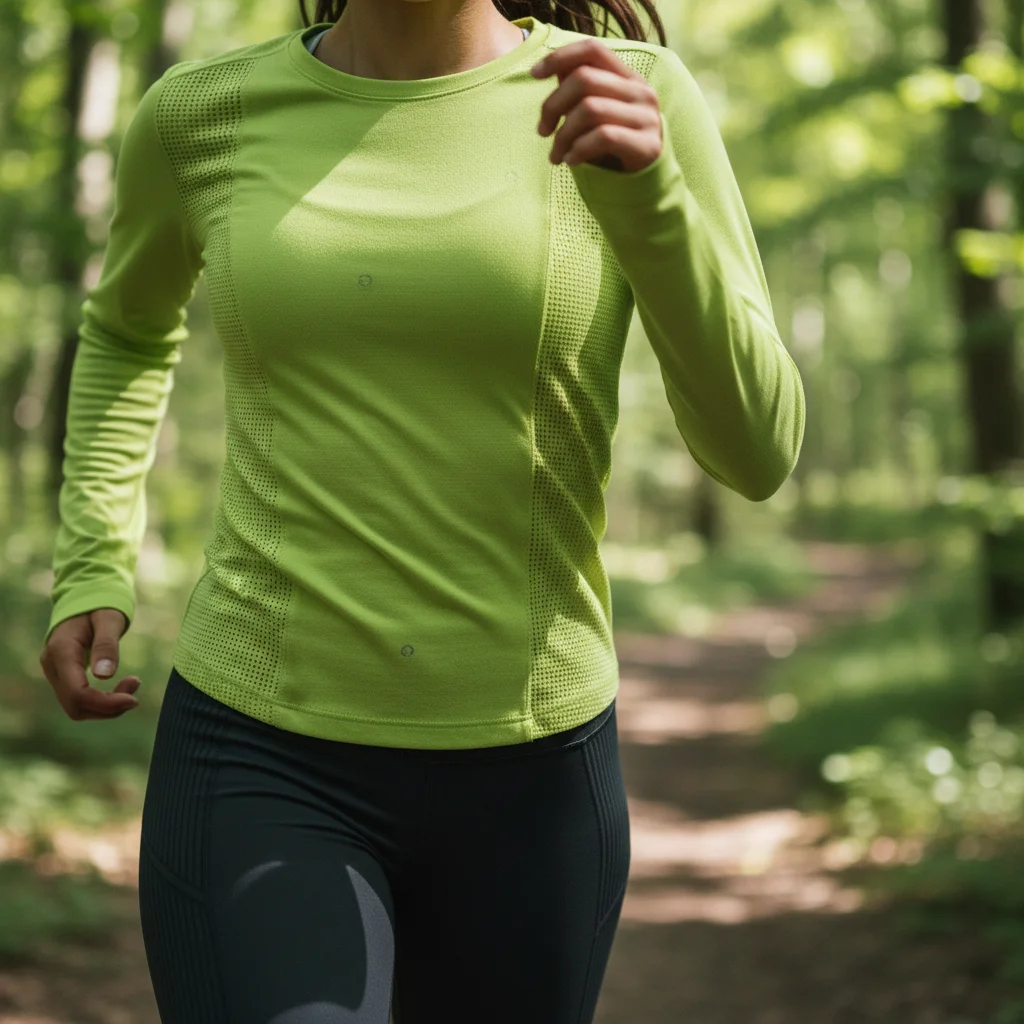
The athletic wear industry is undergoing a quiet revolution. Gone are the days when choosing eco-friendly meant sacrificing performance. Today, sustainable athletic wear delivers the same moisture-wicking, stretch, and durability that elite athletes demand, while dramatically reducing environmental footprint.
This transformation stems from innovative fabric blending techniques that combine recycled materials with natural fibers and advanced polymers. The result is a new generation of sportswear that addresses both athletic performance needs and environmental responsibilities. For consumers, this means access to high-quality activewear that aligns with personal values without compromising on function.
This article examines nine fabric blends leading this movement, exploring how each contributes to performance, sustainability, and the future of athletic apparel.
Recycled polyester and spandex blends
Recycled polyester, derived from plastic water bottles and post-consumer textiles, has become a cornerstone of sustainable athletic wear. When blended with spandex, it creates a fabric that offers exceptional stretch recovery and shape retention. This combination handles repeated washing and intense workouts while maintaining its original fit.
The production of recycled polyester uses significantly less energy compared to virgin polyester, reducing carbon emissions by approximately thirty percent. Manufacturers now produce these blends with varying spandex content, typically ranging from eight to twenty percent, to achieve different performance characteristics for specific activities.
Advertisement
These blends excel in high-intensity workouts where moisture management is critical. The hydrophobic nature of polyester pulls sweat away from the skin, while spandex ensures the garment moves with the body during dynamic movements. Running, cycling, and HIIT training benefit particularly from this fabric combination.
Organic cotton and bamboo viscose combinations
For low-impact activities and everyday activewear, organic cotton and bamboo viscose blends provide exceptional comfort and breathability. These natural fibers offer moisture-wicking properties that rival synthetic materials while feeling soft against the skin. The antimicrobial qualities of bamboo add an extra layer of functionality, reducing odor buildup during extended wear.
These sustainable blends require less water during cultivation compared to conventional cotton. Bamboo grows rapidly without pesticides, making it one of the most renewable textile resources available. When processed using closed-loop systems that recover and reuse chemicals, the environmental impact remains minimal throughout production.
Advertisement
The fabric handles yoga, pilates, and casual athletic wear exceptionally well. Its natural stretch improves with wear, conforming to the body while maintaining structural integrity. Many consumers prefer these blends for their cooling effect in warmer climates and excellent temperature regulation properties.
Key performance characteristics
The organic cotton and bamboo blend delivers several distinct advantages:
- Natural moisture evaporation that keeps skin dry during moderate activity
- Hypoallergenic properties suitable for sensitive skin types
- Biodegradable composition at end of garment life
- Reduced static buildup compared to synthetic alternatives
These characteristics make the blend particularly appealing for consumers prioritizing both comfort and environmental responsibility in their activewear choices.
Tencel lyocell and modal integrations
Tencel lyocell, produced from wood pulp using a closed-loop process that recycles water and solvents, represents one of the most sustainable man-made fibers available. When integrated with modal, another semi-synthetic fiber derived from beech trees, the result is an exceptionally soft fabric with excellent moisture management.
This blend has gained significant traction in premium sustainable athletic wear lines. The smooth fiber structure feels luxurious against the skin and resists abrasion during extended movement. Athletic brands increasingly use this combination for compression wear and base layers where skin contact is prolonged.
The environmental credentials of Tencel and modal are substantial. Both fibers decompose naturally at the end of their lifecycle, and the production processes recover over ninety-nine percent of solvents used. Consumers seeking high-performance activewear with minimal environmental impact find this blend particularly attractive.
Recycled nylon and elastane formulations
Recycled nylon, sourced from fishing nets and industrial waste, has emerged as a premium alternative to virgin nylon in sustainable athletic wear. When combined with elastane, it creates fabrics with excellent compression properties and muscle support. This combination proves particularly valuable for high-impact sports requiring structural integrity.
The durability of recycled nylon matches or exceeds virgin alternatives, making it ideal for garments subjected to frequent use and washing. Swimwear, running shorts, and compression leggings benefit from this formulation’s combination of support and quick-drying characteristics.
Innovation in recycling technologies continues to improve the quality and availability of recycled nylon. Advanced depolymerization processes now allow multiple recycling cycles without significant degradation of fiber quality, supporting circular economy principles in the athletic wear industry.
Merino wool and silk blends
For cold-weather athletic applications, merino wool and silk blends offer unparalleled performance. Merino wool provides natural temperature regulation and odor resistance, while silk adds smoothness and enhances moisture-wicking capabilities. This combination has become popular in performance base layers for running, skiing, and outdoor training.
Sustainable merino wool sourcing ensures animal welfare and land management practices meet rigorous standards. Many brands now certify their wool supply chains through independent auditors, providing transparency for conscious consumers. The pairing with silk, a natural protein fiber, creates a fabric that feels premium while maintaining functional excellence.
These blends excel in variable weather conditions where temperature regulation matters. The breathable nature of both fibers prevents overheating during activity while providing insulation during rest periods. Multi-day outdoor adventures and winter sports particularly benefit from this fabric combination.
Hemp and organic cotton composites
Hemp cultivation requires minimal water and no pesticides, making it one of the most environmentally friendly textile fibers. When combined with organic cotton, hemp creates durable composites suitable for casual athletic wear and training apparel. The blend softens with each wash while maintaining structural integrity.
These composites offer natural UV protection, a valuable feature for outdoor athletic activities. The antimicrobial properties of hemp reduce odor formation, allowing for extended wear between washes. This characteristic appeals to travelers and outdoor enthusiasts seeking versatile, low-maintenance activewear.
The tensile strength of hemp exceeds cotton significantly, resulting in garments that outlast traditional cotton alternatives. While the initial cost may be higher, the extended lifespan provides economic and environmental benefits over time. This durability makes hemp and cotton composites a smart choice for consumers prioritizing long-term value.
Seaweed fiber and alginate combinations
Innovative textile research has produced seaweed fiber, derived from marine biomass, offering unique performance characteristics. When combined with sodium alginate, a compound extracted from seaweed, the result is a fabric with natural cooling properties and skin-nourishing minerals. This represents one of the newest frontiers in sustainable athletic wear.
Seaweed-based fabrics contain vitamins, minerals, and antioxidants that can transfer to the skin during wear. While the functional significance continues to be studied, early research suggests potential benefits for skin health during athletic activity. The sustainable harvesting practices ensure marine ecosystems remain protected.
These combinations remain less common than established blends but appeal to consumers seeking cutting-edge sustainable options. The novelty factor combined with genuine performance benefits positions seaweed fiber blends as an emerging segment in eco-friendly athletic wear.
Piñatex and recycled leather alternatives
Piñatex, a leather alternative made from pineapple leaf fibers, has expanded into athletic footwear and accessories. When combined with recycled leather materials, it creates durable products with significantly reduced environmental impact compared to traditional leather. This innovation addresses one of the most challenging sustainability aspects in athletic apparel.
The production of Piñatex utilizes agricultural waste from pineapple harvests, providing additional income for farming communities. The material undergoes specialized processing to achieve durability requirements for athletic applications. Recycled leather supplements the material, reducing waste from leather manufacturing.
Athletic brands increasingly incorporate these alternatives in vegan and sustainability-focused product lines. The visual and tactile qualities now closely resemble traditional leather, addressing consumer concerns about aesthetic trade-offs in sustainable choices.
Coconut shell carbon and polyester blends
Activated carbon derived from coconut shells provides exceptional odor-control properties when integrated into polyester fibers. This sustainable athletic wear solution addresses a common consumer complaint about synthetic fabrics, particularly in high-intensity applications where odor buildup occurs rapidly.
The carbon infusion occurs during fiber production, ensuring permanent odor resistance that survives repeated washing. This technology eliminates the need for antimicrobial chemical treatments that can irritate sensitive skin. The natural origin of the carbon aligns with sustainability goals while delivering functional benefits.
Garments using this blend prove particularly popular among endurance athletes and those training frequently. The extended wearability between washes reduces water consumption and extends garment lifespan, compounding environmental benefits beyond the sustainable fiber production itself.
| Fabric Blend | Primary Benefits |
|---|---|
| Recycled Polyester + Spandex | High-intensity performance, moisture-wicking, shape retention |
| Organic Cotton + Bamboo | Breathability, comfort, antimicrobial, hypoallergenic |
| Tencel + Modal | Luxury feel, moisture management, compression support |
| Recycled Nylon + Elastane | Muscle support, durability, quick-drying, compression |
What comes next for sustainable athletic wear
The evolution of sustainable athletic wear continues accelerating as technology advances and consumer demand grows. Fabric blends explored in this article represent current leadership in the industry, yet innovation shows no signs of slowing. Researchers are developing new materials from agricultural waste, marine resources, and even carbon-capture technologies that could further transform available options.
Brands increasingly recognize that sustainability and performance are complementary rather than competing priorities. The nine fabric blends examined demonstrate that athletes and fitness enthusiasts need not choose between environmental responsibility and functional excellence. Looking ahead, expect continued expansion of sustainable options as production scales and costs decline.
For consumers, the growing availability of sustainable athletic wear means more choices that align with personal values while meeting performance needs. The future of activewear is clearly heading toward materials that protect both the athlete and the planet.