Sustainable Fashion Brands Cutting Waste by 40%
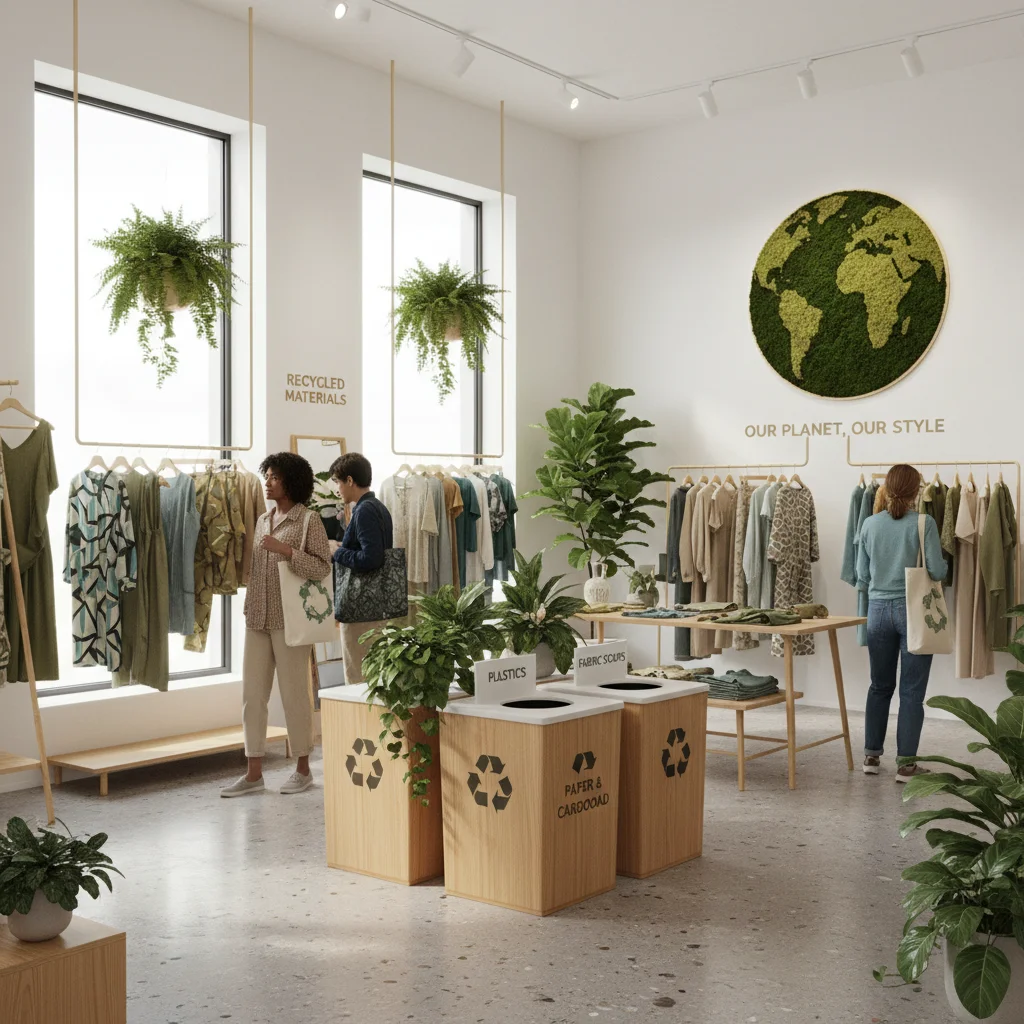
Advertisement
Sustainable fashion brands reducing waste by 40%: A new era of conscious design
The fashion industry has long been one of the world’s largest polluters, but a significant transformation is underway. Sustainable fashion brands are now achieving something that seemed impossible just a decade ago: reducing waste by 40% or more while maintaining profitability and style. This isn’t a distant goal—it’s happening right now across the industry.
From major corporations to independent labels, companies are reimagining every stage of the garment lifecycle. The driving force isn’t just environmental concern—it’s market demand. Today’s consumers actively seek out brands that align with their values, making sustainability both an ethical choice and a sound business strategy.
The waste crisis driving industry transformation
Traditional fashion production generates enormous amounts of waste at every stage. Textile manufacturing discards millions of tons of fabric annually, while fast fashion’s rapid turnover means billions of garments end up in landfills each year. The environmental toll has become impossible to ignore, pushing both regulators and consumers to demand change.
Sustainable fashion brands have responded by fundamentally rethinking their operations. Rather than treating waste as an inevitable byproduct, these companies view it as a design problem with innovative solutions. The 40% waste reduction benchmark represents real progress—achieved through material innovation, process optimization, and circular business models.
This shift requires investment and commitment, but the results speak for themselves. Brands implementing comprehensive sustainability programs are seeing reduced costs alongside improved brand loyalty. The economics increasingly favor conscious production, creating a positive feedback loop that accelerates industry-wide change.
Advertisement
Circular design: Building garments that last
Circular design principles have become central to how leading sustainable fashion brands approach product development. Rather than creating garments meant for disposal, these companies design with the entire lifecycle in mind—from initial material selection to end-of-life recovery.
Material selection and innovation
The choice of materials fundamentally impacts a garment’s environmental footprint. Sustainable fashion brands increasingly prioritize materials that can be recycled, biodegraded, or repurposed. This includes organic cotton, recycled polyester, and innovative fabrics derived from plant sources or ocean-bound plastics.
Advanced textile recycling technologies now allow brands to convert old garments into new fibers, closing the loop in ways that weren’t previously feasible. Some companies have developed proprietary systems that can process mixed-fiber fabrics, significantly expanding what can be recycled rather than discarded.
Advertisement
- Organic and regenerative cotton reduces water usage and eliminates harmful pesticides
- Recycled polyester from plastic bottles diverts waste from oceans and landfills
- Tencel and other lyocell fabrics use closed-loop production processes
- Innovative materials like mushroom leather offer cruelty-free alternatives
Durability and timeless design
Perhaps the most effective waste reduction strategy is simply creating garments that last. Sustainable fashion brands are moving away from seasonal trends toward timeless designs that remain relevant for years. Quality craftsmanship replaces planned obsolescence, resulting in clothes that endure.
This approach requires different business models. Instead of maximizing volume through cheap, disposable clothing, brands focus on fewer sales of higher-quality products. The result is reduced waste alongside stronger customer relationships built on trust and value.
Production process optimization
How garments are made matters as much as what they’re made from. Sustainable fashion brands are implementing production methods that minimize waste at every stage, from cutting room floors to finishing processes.
Computer-aided design allows pattern makers to optimize fabric layout, reducing the material discarded during cutting. Some brands have achieved near-zero waste pattern making, where every scrap finds purpose. Offcuts become accessories, stuffing, or raw material for new products.
Water and chemical usage represent another critical optimization area. Sustainable production facilities employ closed-loop water systems, treating and reusing process water rather than drawing fresh supplies. Natural dyes and eco-friendly finishes replace toxic chemicals, protecting workers and ecosystems alike.
Energy consumption has similarly come under scrutiny. Renewable energy powered facilities are increasingly common among brands committed to sustainability, with solar and wind installations reducing carbon footprints significantly.
Take-back programs and second life initiatives
What happens when a consumer is finished with a garment? This question has become central to sustainable fashion brand strategies. Take-back programs allow customers to return old clothes for recycling or resale, ensuring nothing ends unnecessarily in landfills.
These programs serve multiple purposes. They provide raw material for recycling operations while creating ongoing customer engagement. Some brands offer incentives—discounts on future purchases or store credits—making participation attractive while reinforcing the circular economy concept.
Resale and vintage channels
The second-hand market has exploded in recent years, with sustainable fashion brands increasingly operating their own resale platforms. What was once relegated to thrift stores now includes curated online marketplaces offering authenticated vintage and gently used items from trusted brands.
This extension of product life significantly reduces environmental impact. A garment worn twice instead of once represents a 50% reduction in per-use footprint. Brands benefit from continued customer relationships and reduced marketing costs to acquire new buyers.
- Brand-operated resale platforms maintain quality control and customer trust
- Trade-in programs incentivize returns while rewarding loyalty
- Certified pre-owned items command premium prices over generic second-hand
- Repair services extend garment life and build emotional connection
Supply chain transparency and accountability
Achieving meaningful waste reduction requires visibility throughout the entire supply chain. Sustainable fashion brands are leading the way in transparency, sharing detailed information about where and how products are made.
Blockchain technology increasingly tracks materials from source to finished product, verifying sustainability claims and identifying optimization opportunities. Consumers can scan QR codes to learn the complete history of their garments, from farm to finished piece.
Third-party certifications provide additional assurance. Standards like GOTS (Global Organic Textile Standard), Fair Trade, and B Corp certification verify that brands meet specific environmental and social criteria. These certifications help consumers make informed choices while holding companies accountable.
Supplier relationships matter as much as public commitments. Sustainable fashion brands work closely with manufacturing partners, investing in improvements and sharing best practices. Long-term partnerships enable continuous improvement rather than one-time compliance checks.
Consumer role in driving change
Brand efforts would fall short without conscious consumer participation. The growing demand for sustainable options has created market conditions that reward environmental responsibility. Every purchase decision sends signals about what consumers value, shaping industry practices.
Making informed choices doesn’t require perfection. Prioritizing quality over quantity, maintaining clothes properly, and choosing repair over replacement all contribute to reduced waste. Supporting brands with genuine sustainability commitments amplifies these individual actions into industry-wide change.
Consumer education has improved dramatically. Resources exist to help shoppers understand certification labels, identify greenwashing, and evaluate brand claims. This knowledge empowers better decisions while creating accountability for companies making sustainability promises.
Policy landscape and industry standards
Regulatory pressure complements consumer demand. Governments worldwide are implementing measures to address fashion industry waste, from extended producer responsibility requirements to chemical restrictions and labeling mandates.
The European Union has been particularly active, with its Sustainable and Circular Textiles Strategy setting ambitious targets for recycling and recycled content. Similar legislation is emerging in other regions, creating global momentum toward sustainable practices.
Industry collaborations complement regulatory efforts. Consortiums bring together brands, recyclers, and policymakers to develop infrastructure and standards that enable circular fashion. These collective efforts address challenges no single company could solve alone.
Economic case for sustainability
Sustainability increasingly makes financial sense. While initial investments in green technologies and processes can be substantial, the long-term economics often favor sustainable operations. Reduced material costs, lower waste disposal fees, and decreased regulatory risk all contribute to improved margins.
Consumer willingness to pay premium prices for sustainable products provides additional revenue opportunities. Studies consistently show significant segments of shoppers will pay more for environmentally responsible options, particularly for categories like fashion where personal values intersect with purchasing decisions.
Investor interest in sustainable fashion has grown substantially. ESG (Environmental, Social, and Governance) criteria now influence capital allocation, with sustainable brands accessing financing on favorable terms. This financial ecosystem supports continued growth and innovation in sustainable practices.
| Strategy | Impact |
|---|---|
| Circular Design | Garments designed for disassembly and recycling reduce end-of-life waste by 40% |
| Take-Back Programs | Closed-loop systems recover materials for new production, minimizing virgin resource needs |
| Material Innovation | Recycled and organic fabrics reduce water usage and eliminate toxic chemicals |
| Production Optimization | Lean manufacturing techniques minimize waste at every production stage |
What comes next for sustainable fashion brands
The progress achieved by sustainable fashion brands in reducing waste represents meaningful change, but the journey continues. Emerging technologies promise even greater possibilities, from advanced chemical recycling to bio-fabricated materials that eliminate traditional textile production entirely.
Consumer expectations will likely continue evolving, with transparency and sustainability becoming baseline requirements rather than differentiators. Brands that have already built strong sustainability practices will be well-positioned for this future, while those lagging behind face increasing challenges.
The 40% waste reduction milestone demonstrates what’s possible when innovation meets commitment. As more sustainable fashion brands adopt these practices and technologies, industry-wide transformation becomes increasingly achievable. The fashion industry’s environmental footprint can continue shrinking while the sector thrives—proving that responsible business and environmental stewardship can go hand in hand.