Gen Z Formal Wear: 3 New Rules Redefining Style
Advertisement
Gen Z is transforming formal wear by challenging decades of traditional dress codes. The generation prioritizes comfort, sustainability, and personal expression over rigid conventions. This shift represents a fundamental change in how younger generations approach professional and formal occasions.
How Gen Z Is Redefining Formal Wear With 3 New Rules
The formal wear landscape looks dramatically different in 2026 compared to just a few years ago. What was once defined by strict suits, polished heels, and conservative silhouettes has evolved into something far more nuanced and personal. This transformation didn’t happen overnight, but it has accelerated significantly as Gen Z enters the workforce and takes center stage at weddings, galas, and professional events.
Understanding these changes matters whether you’re a fashion enthusiast, a bride or groom planning a wedding, or a professional navigating today’s evolving workplace expectations. The rules that once governed formal attire have been rewritten, and those who understand these shifts can make more confident style choices that feel authentic rather than performative.
The Comfort Revolution In Formal Attire
Comfort has become the non-negotiable foundation of gen z formal wear, displacing the long-standing belief that looking good requires enduring physical discomfort. This represents a philosophical shift that rejects the idea that elegance must come at the cost of physical ease. The younger generation grew up prioritizing wellness and mental health, and that awareness has naturally extended to their clothing choices.
Tailored joggers have emerged as a legitimate option for semi-formal events, while midi dresses and jumpsuits offer polished alternatives to traditional floor-length gowns or pencil skirts. The key lies in thoughtful styling—pairing relaxed silhouettes with elevated accessories and polished footwear creates that perfect balance between comfort and sophistication.
Advertisement
Fabrics Leading The Comfort Movement
The materials dominating formal wear collections reflect this priority. Stretch wools, breathable linens, and sustainable fabrics with natural give have replaced stiff, structured materials that restricted movement. These innovations mean you can dance at a wedding reception, commute comfortably on public transit, or sit through a long dinner without the physical constraints that characterized formal wear for generations.
- Stretch wool blends offer traditional tailoring with modern flexibility
- Organic cotton and Tencel provide breathable alternatives to synthetic linings
- Recycled polyester and nylon deliver durability without environmental guilt
- Bamboo fiber underwear and lining add moisture-wicking comfort
This fabric evolution extends to footwear as well. Block heels, platform sandals, and even carefully selected stylish sneakers have earned their place in formal settings when styled appropriately. The stigma around unconventional formal footwear has diminished considerably as acceptance grows that comfort enhances confidence.
Sustainability As Non-Negotiable Standard
Environmental consciousness has shifted from a differentiating factor to an expectation within gen z formal wear culture. This generation researches brand practices, questions supply chains, and often chooses second-hand or vintage pieces over fast fashion alternatives. The environmental impact of clothing decisions weighs heavily on purchasing choices, influencing everything from material selection to shopping frequency.
Advertisement
Vintage and thrift shopping has become a status symbol rather than a budget necessity. Finding a unique vintage piece demonstrates effort, knowledge, and commitment to sustainable practices—all qualities admired within Gen Z social circles. This appreciation for pre-loved items has created thriving markets for vintage formal wear, with specialized retailers and online platforms making treasure hunting more accessible than ever.
Designer and fast fashion brands have responded by expanding their sustainable lines, using recycled materials, and improving transparency around manufacturing processes. The demand for ethical production has created genuine industry change, proving that consumer values can drive corporate responsibility.
Building A Sustainable Formal Wardrobe
Creating an environmentally conscious formal wardrobe doesn’t require sacrificing style or breaking the bank. Strategic investment in versatile pieces that work across multiple occasions reduces the need for constant new purchases. Choosing timeless silhouettes over trend-driven pieces ensures longevity in both wear and aesthetic relevance.
- Invest in high-quality foundational pieces in neutral colors
- Explore rental options for one-time events to reduce consumption
- Support brands with transparent sustainability certifications
- Maintain and repair existing formal wear to extend garment life
The rise of capsule wardrobes reflects this philosophy, with many Gen Z individuals curating small collections of mix-and-match pieces that maximize outfit possibilities while minimizing environmental impact. This intentional approach to consumption represents a mature perspective that values quality over quantity.
Personal Expression Over Traditional Expectations
The most visible transformation in gen z formal wear involves the embrace of personal style as the primary guiding principle. Rather than adhering to prescribed dress codes that may have little relevance to individual identity, younger individuals are using formal occasions as opportunities to express authentic selves. This represents a rejection of one-size-fits-all expectations in favor of personalized interpretation.
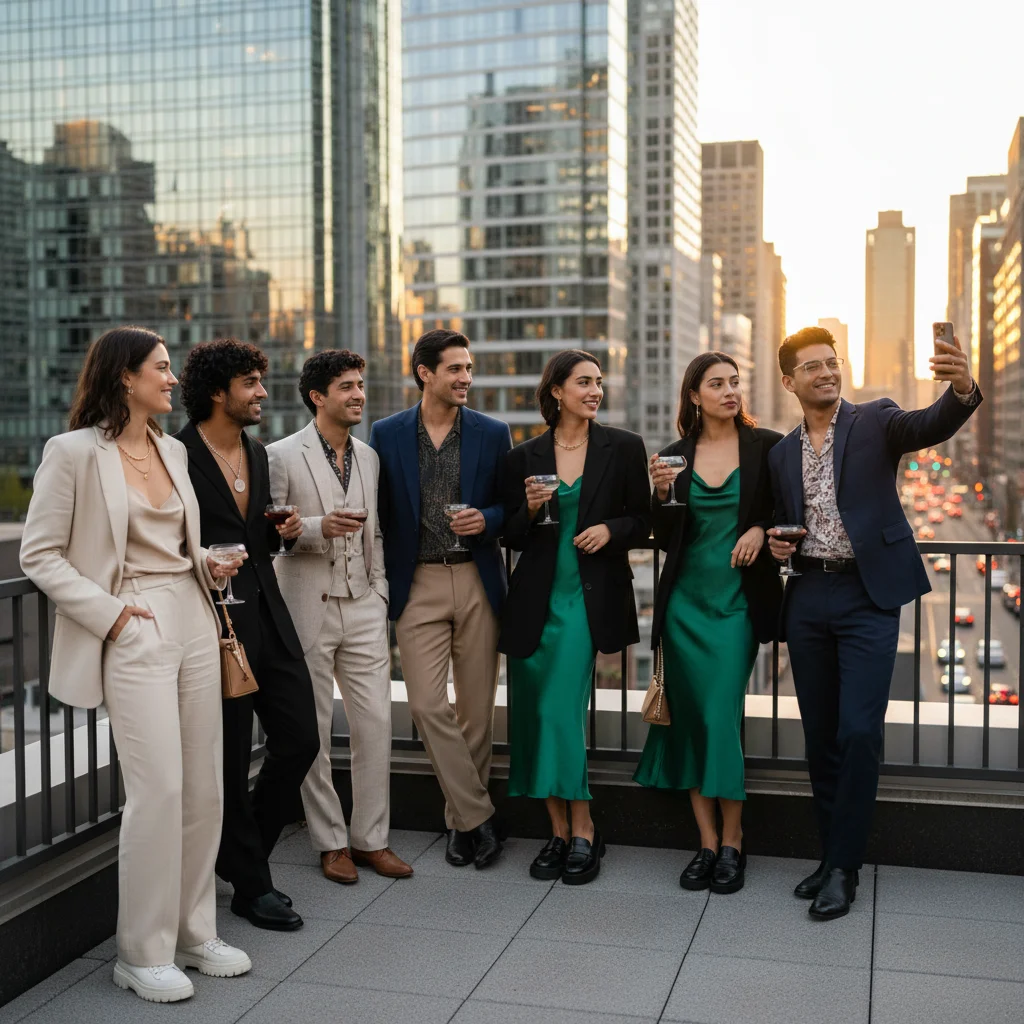
Color has become a powerful tool for self-expression. While black tie events still exist, the rigid color restrictions of previous generations have relaxed considerably. Bold jewel tones, unexpected pastels, and even vibrant prints now appear at formal events without the scrutiny they once attracted. The focus has shifted from following rules to making intentional, personal choices.
Gender fluidity in fashion has particularly impacted formal wear, with traditional gender-based clothing divisions becoming increasingly obsolete. Unisex suits, gender-neutral silhouettes, and androgynous styling options provide more inclusive choices for those who don’t identify with conventional categories. This expansion of options benefits everyone by freeing all individuals from restrictive expectations.
The Impact On Traditional Formal Events
Weddings, the most common formal occasions for most adults, have experienced significant styling changes driven by gen z formal wear preferences. Couples are increasingly comfortable specifying dress codes that reflect their values rather than adhering to tradition. Beach weddings might encourage linen suits and flowy dresses, while evening celebrations might embrace more dramatic personal expression.
Guests benefit from this flexibility, having more freedom to choose outfits that suit their body types, personal styles, and comfort preferences. The pressure to purchase specific attire for each event has diminished, replaced by a more practical approach of building versatile wardrobes that adapt to various formal occasions.
Corporate events and professional gatherings have also evolved. While some industries maintain traditional expectations, many now recognize that authentic self-expression doesn’t compromise professionalism. The key lies in understanding your specific environment while pushing boundaries where appropriate and appreciated.
Navigating The New Formal Wear Landscape
Adopting gen z formal wear principles doesn’t require abandoning all tradition. Instead, it invites thoughtful consideration of which conventions serve you and which might be holding you back. The goal is finding a personal style that feels authentic while meeting the expectations of specific occasions.
Start by evaluating your existing wardrobe with fresh eyes. Identify pieces that make you feel confident and comfortable, then consider how they might be styled for more formal contexts. Often, creative pairing and thoughtful accessorization can transform everyday items into appropriate formal wear.
Research the specific event expectations before making purchasing decisions. Understanding whether the occasion leans traditional or embraces contemporary flexibility helps guide your choices. When in doubt, erring on the side of slightly more formal typically remains safer, but the gap between formal and casual has narrowed considerably.
Building Confidence Through Authentic Style
True style confidence comes from understanding yourself and making choices that reflect your values and personality. Gen z formal wear philosophy emphasizes that how you present yourself should align with who you are, not who you think you should be. This authenticity reads as genuine confidence, making any outfit more compelling.
Experiment with different looks before committing to purchases. Many retailers now offer generous return policies, making it easier to try new styles without pressure. Take time to understand what silhouettes, colors, and details make you feel your best.
Seek inspiration from diverse sources rather than limiting yourself to traditional fashion media. Social platforms, street style photography, and cultural influences from around the world provide richer perspectives than conventional fashion hierarchies ever offered. The most stylish individuals draw from broad influences while maintaining distinctly personal points of view.
| Rule | Description |
|---|---|
| Comfort First | Prioritize physical ease without sacrificing style through stretch fabrics and relaxed silhouettes |
| Sustainable Choices | Make environmentally conscious decisions through vintage shopping and ethical brand support |
| Personal Expression | Use formal occasions to showcase authentic identity through color, style, and gender-fluid options |
| Versatile Investment | Build wardrobes with pieces that work across multiple occasions, reducing consumption |
What Comes Next For Formal Fashion
The evolution of gen z formal wear reflects broader cultural shifts toward authenticity, sustainability, and individual expression. These changes aren’t merely fashion trends—they represent fundamental changes in how younger generations view tradition, authority, and personal identity. As Gen Z continues to influence cultural expectations, formal wear will likely become even more inclusive, comfortable, and personally meaningful.
Looking ahead, expect continued expansion of size-inclusive options, gender-neutral designs, and sustainable innovations. The formal wear industry is responding to consumer demand, and those brands that embrace these values will thrive while those clinging to outdated conventions may struggle. For individuals, this means more choices than ever before—opportunities to celebrate occasions in ways that genuinely reflect who you are.
The most important takeaway might be this: the rules of formal wear exist to be interpreted, challenged, and ultimately rewritten by each generation. Gen z formal wear isn’t about rejecting elegance—it’s about expanding what elegance means and who gets to define it. Whether you’re dressing for a wedding, a work event, or a special celebration, the new rules simply ask that you do so as yourself.