Sneaker Trends: 8 Styles Dominating Fashion in 2026
Advertisement
The sneaker landscape in 2026 is defined by bold experimentation and conscious design. Chunky silhouettes are back with exaggerated soles, while sustainable materials dominate premium releases. Hybrid designs blend performance tech with street aesthetics, and retro classics continue to influence contemporary collections. Color palettes lean toward earthy tones and vibrant contrasts, reflecting a market that values both nostalgia and innovation.
Sneaker trends: What is driving fashion in 2026
The sneaker industry has entered a transformative phase where tradition meets radical reinvention. After years of minimalist dominance, 2026 is proving to be the year of bold expression through footwear. Consumers are no longer satisfied with subtle upgrades—they want statement pieces that reflect their personality and values.
This shift is reshaping how major brands approach design, manufacturing, and marketing. From heritage companies reimagining their archives to streetwear labels pushing creative boundaries, the sneaker market is more dynamic than ever. Understanding these sneaker trends is essential for anyone looking to stay fashionable or make informed purchasing decisions this year.
The return of chunky silhouettes
After a brief period where slim profiles dominated, chunky sneakers have reclaimed their position at the forefront of fashion. The exaggerated soles and bold proportions that defined the late 2010s are back, but with refined aesthetics that feel contemporary rather than nostalgic. This evolution represents a mature interpretation of the trend—one that balances visual impact with wearability.
Major athletic brands are leading this charge with updated versions of their most iconic silhouettes. The key difference this time around is attention to weight distribution and cushioning technology. These aren’t just visual statements; they’re engineered for comfort during extended wear. The chunky aesthetic works particularly well with oversized clothing, creating the proportionality that modern street style demands.
Advertisement
What makes this iteration of chunky sneakers particularly relevant is its versatility. These designs transition effortlessly from casual weekend looks to more elevated ensembles when paired thoughtfully with tailored pieces. The trend shows no signs of fading, with new colorways and collaborations keeping the category fresh throughout the year.
Key features of chunky sneaker designs
The modern chunky sneaker distinguishes itself through several defining characteristics that set it apart from previous iterations. Understanding these elements helps consumers make informed choices when adding to their rotation.
- Multi-layered soles: Contemporary chunky designs feature complex sole constructions with multiple visual layers, often incorporating different materials and textures that create visual depth.
- Enhanced cushioning: Unlike earlier versions that prioritized looks over comfort, 2026 chunky sneakers prioritize responsive cushioning systems that provide genuine all-day comfort.
- Proportional balance: Designers have mastered the art of balancing exaggerated proportions with overall silhouette harmony, avoiding the awkward appearance of earlier iterations.
- Material innovation: The use of mixed materials—including mesh, leather, suede, and sustainable synthetics—adds visual interest while maintaining lightweight performance.
Sustainable materials take center stage
Environmental consciousness has moved from a niche concern to a defining factor in sneaker purchasing decisions. In 2026, sustainable materials are no longer a special feature reserved for limited editions—they’re becoming the standard across price points. This fundamental shift is reshaping supply chains and forcing brands to reimagine their material sourcing strategies.
Advertisement
The most visible change comes in the form of recycled plastics, organic cottons, and innovative plant-based alternatives. mushroom leather, algae-based foams, and recycled ocean plastics have transitioned from experimental concepts to mainstream production materials. Consumers increasingly expect transparency about where materials come from and their environmental impact.
This sustainability movement goes beyond materials to encompass manufacturing processes and packaging. Brands are investing in carbon-neutral production facilities and reducing water usage throughout their supply chains. The sneaker trends of this year reflect a broader industry acknowledgment that fashion’s future must be environmentally responsible.
Hybrid designs blur category boundaries
The lines between performance athletic shoes and lifestyle sneakers continue to dissolve in 2026. Hybrid designs that incorporate technology from running, basketball, and training categories into everyday wear are dominating release calendars. This convergence responds to consumers who want versatility—the ability to go from a morning workout to casual lunch without changing footwear.
These hybrid models typically feature advanced cushioning systems derived from elite sports footwear, combined with aesthetics that work in casual contexts. The result is shoes that deliver genuine performance benefits while maintaining style credentials. It’s a practical approach that resonates with consumers who value functionality without sacrificing appearance.
What distinguishes these hybrid designs is their thoughtful integration of technology. Rather than simply transplanting features from one category to another, designers are reimagining how those technologies serve diverse needs. Breathability, support, and flexibility are engineered to perform across multiple scenarios, making these sneakers particularly valuable for active lifestyles.
Retro classics get modern makeovers
Nostalgia remains a powerful force in sneaker culture, but the approach to heritage styles has evolved significantly. Rather than straightforward reissues, brands are offering modern interpretations that honor original designs while incorporating contemporary technology and aesthetics. This careful balance attracts both collectors who appreciate authenticity and newer audiences seeking relevant updates.
The most successful retro revivals maintain the essential character of their predecessors while addressing modern expectations for comfort and performance. Visible improvements in cushioning, breathability, and materials make these updated classics genuinely wearable for daily activities. The emotional connection to heritage styles combined with tangible functional upgrades creates compelling value propositions.
Colorway strategies have also matured, with brands carefully selecting palettes that feel both authentic and fresh. General releases often feature clean interpretations of original color schemes, while limited editions explore more adventurous territory. This tiered approach ensures that both traditionalists and trend-seekers find options that appeal to their preferences within the sneaker trends landscape.
Elements driving retro sneaker popularity
The continued relevance of heritage silhouettes speaks to broader cultural appreciation for craftsmanship and design history. Several factors contribute to the sustained interest in classic-inspired footwear.
- Design timelessness: Many heritage silhouettes possess inherent design qualities that transcend specific eras, allowing them to remain relevant across decades of changing fashion.
- Quality construction: Original designs often featured superior materials and construction methods that modern reinterpretations aim to honor while improving upon.
- Cultural significance: Classic sneakers carry historical weight, connecting wearers to pivotal moments in sports, music, and street culture.
- Collectibility value: The sneaker resale market has established clear hierarchies of desirability, with certain heritage styles maintaining or increasing their value over time.
Color palettes: Earth tones meet bold contrasts
Visual expression through color has become increasingly important as sneakers serve as focal points of outfits. The dominant color trends of 2026 reflect a market torn between organic simplicity and striking statement-making. This duality manifests in collections that offer both understated sophistication and eye-catching vibrancy.
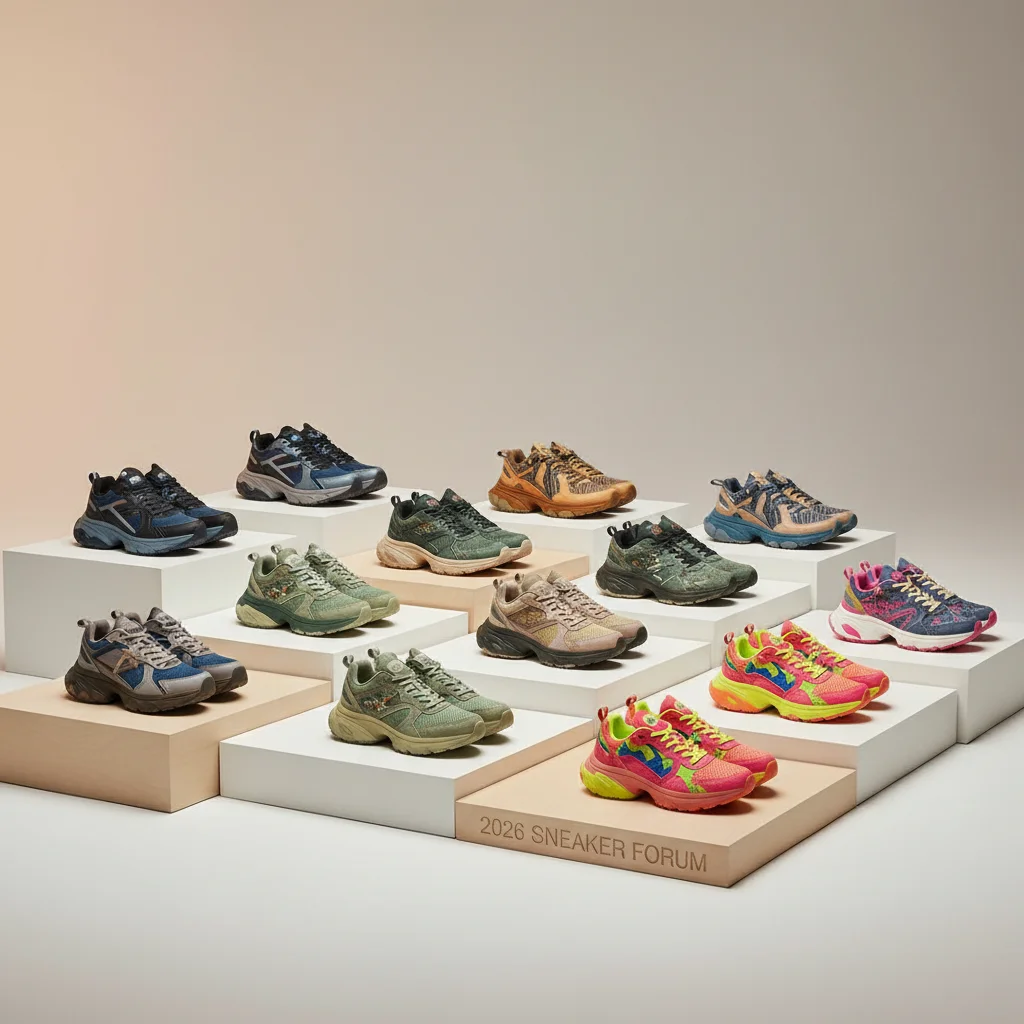
Earthy tones have gained significant ground, with olive greens, terracotta browns, sand beiges, and forest greens appearing across major releases. These colors appeal to consumers seeking versatile options that integrate seamlessly with varied wardrobes. The popularity of earth tones also aligns with broader fashion interest in natural aesthetics and sustainable values.
Contrasting with this grounded approach, bold color blocking remains popular for those seeking maximum visual impact. Bright oranges, electric blues, and striking contrasts dominate statement pieces, particularly in limited releases and collaborations. The coexistence of these opposing approaches gives consumers freedom to express different moods and preferences through their sneaker choices.
Collaborations continue driving cultural relevance
Partnerships between sneaker brands and designers, artists, musicians, and cultural figures continue to generate excitement and drive market dynamics. These collaborations serve multiple purposes: they introduce fresh design perspectives, create limited exclusivity that drives demand, and connect brands with new audiences through established fan bases.
The nature of collaborations has evolved, with brands seeking deeper creative partnerships rather than simple logo placements. Authentic creative input from collaborators results in more distinctive products that genuinely feel different from standard releases. This authenticity resonates with consumers who increasingly recognize and reject superficial partnership attempts.
What’s particularly notable in 2026 is the diversification of collaboration partners beyond traditional fashion and entertainment figures. Architects, chefs, environmental advocates, and digital artists bring unexpected perspectives that challenge conventional sneaker design. These unusual partnerships often produce the most memorable releases, reinforcing the cultural significance of sneaker culture.
What comes next
The sneaker trends emerging in 2026 point toward continued evolution in how we think about footwear. The convergence of performance technology, sustainability, and style suggests a future where sneakers serve increasingly diverse roles in our lives. As work environments become more casual and fitness integrates more seamlessly into daily routines, the demand for versatile footwear will only grow.
Brands that successfully balance innovation with accessibility will likely dominate the market’s next chapter. This means continuing to push design boundaries while ensuring new technologies reach broader audiences at accessible price points. The sneaker trends we see today are laying groundwork for an industry that prioritizes both individual expression and environmental responsibility.
For consumers, this evolution brings more choices and better products—but also greater complexity in navigating options. Staying informed about emerging trends and understanding personal priorities helps in making decisions that align with both style preferences and values. The sneaker market in 2026 rewards thoughtful engagement over impulsive purchasing.
| Trend | Description |
|---|---|
| Chunky Silhouettes | Exaggerated soles with enhanced cushioning and refined proportions |
| Sustainable Materials | Recycled plastics, plant-based alternatives, and eco-conscious manufacturing |
| Hybrid Designs | Performance technology blended with lifestyle aesthetics for versatile wear |
| Retro Modernization | Heritage styles updated with contemporary comfort and fresh colorways |
Impact and implications
The sneaker trends defining 2026 reflect broader shifts in consumer values and lifestyle changes. As footwear increasingly serves as a primary expression of personal style, brands must prioritize both aesthetic innovation and functional performance. The success of sustainable initiatives demonstrates that consumers are willing to support brands aligned with their environmental values, creating incentives for continued industry investment in responsible practices.
For the fashion-conscious consumer, these trends offer unprecedented choice in finding footwear that matches individual preferences and values. Whether prioritizing bold design statements, environmental responsibility, or versatile performance, the market provides options that were unimaginable just a few years ago. The challenge lies in navigating these choices thoughtfully and building collections that serve both immediate style needs and long-term wardrobe coherence.