Gender-Fluid Fashion: 12 Brands Redefining Style in 2026
Advertisement
Gender-fluid fashion has transformed from an emerging trend into a defining movement across the fashion industry. This exploration examines the twelve brands at the forefront of this shift, analyzing how inclusive design, adaptive sizing, and boundary-pushing aesthetics are reshaping consumer expectations and market dynamics in 2026.
Gender-fluid fashion: How 12 brands are reshaping the industry
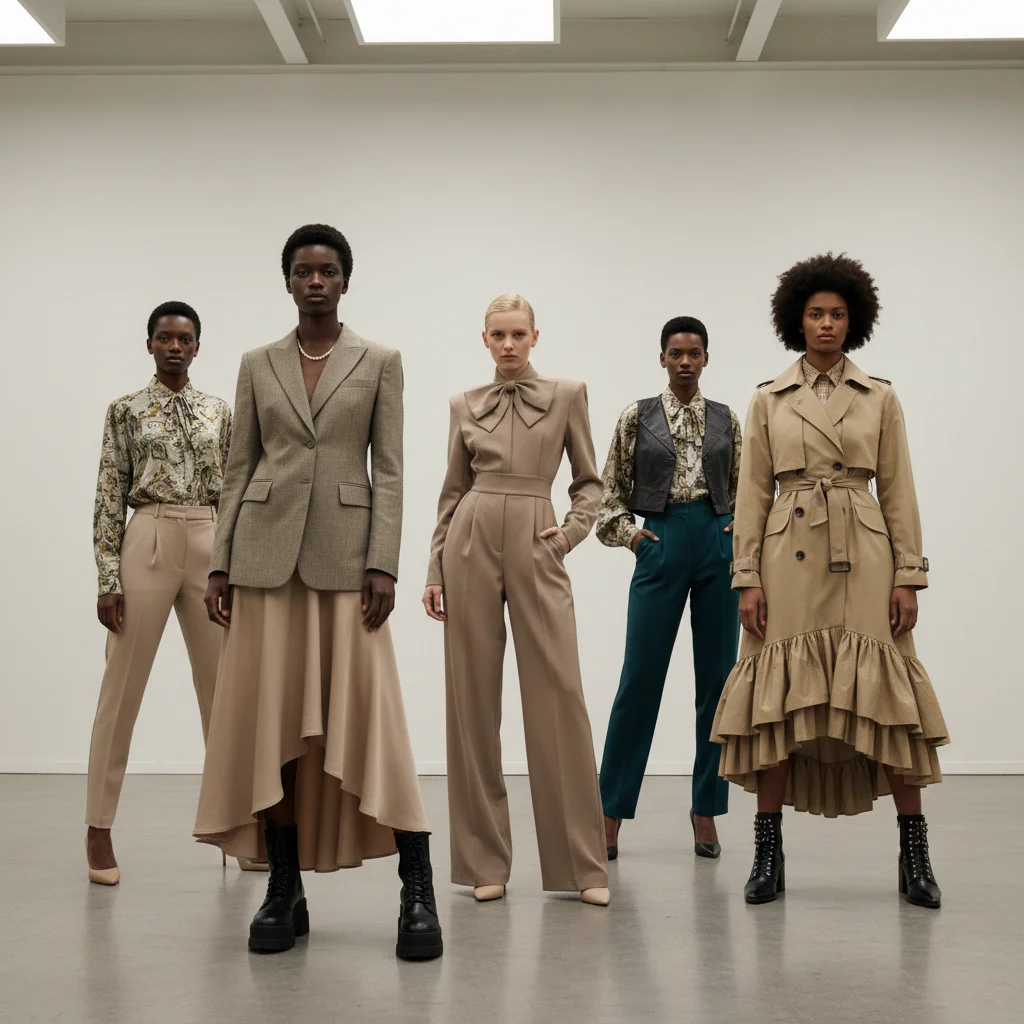
The fashion industry is experiencing a profound transformation. What began as a whisper in underground scenes has become a roar that even the most traditional houses can no longer ignore. Gender-fluid fashion, once relegated to specialty retailers and avant-garderunway shows, now commands significant shelf space, marketing campaigns, and cultural conversation across the United States and beyond.
This shift reflects something deeper than mere style preference. It represents a fundamental reexamination of how we think about clothing, identity, and self-expression. For decades, fashion operated within rigid binary frameworks—menswear and womenswear, clearly delineated sections, sizing that assumed only two body types. The current movement challenges these assumptions at their core.
Understanding which brands lead this transformation reveals not just commercial success stories, but the evolution of cultural values around identity, expression, and belonging. The twelve brands highlighted here represent different approaches, from established luxury houses reimagining their archives to independent designers building from the ground up with inclusivity as their founding principle.
The cultural moment driving inclusive fashion
To understand why gender-fluid fashion has gained such momentum, we need to examine the broader social currents sweeping through American culture. The past several years have seen unprecedented conversations about gender identity, expression, and the limitations of traditional categories. These discussions have naturally extended into how people choose to present themselves through clothing.
Advertisement
Consumer research consistently shows that younger generations—particularly Millennials and Gen Z—view clothing through a fundamentally different lens than their predecessors. For these consumers, the question is no longer “what should a man wear” or “what should a woman wear” but rather “what do I want to wear” and “what makes me feel like myself.” This seemingly simple reframing has enormous implications for how fashion is designed, marketed, and sold.
The economic case has become impossible to ignore. Brands that embrace gender-fluid fashion access a market segment that has historically been underserved or forced to shop in sections that don’t reflect their identity. The purchasing power of LGBTQ+ consumers alone represents a multi-billion dollar market, and that figure grows when we include the broader population of consumers who simply prefer more flexible fashion options.
Luxury houses embracing the shift
Perhaps the most significant indicator of gender-fluid fashion’s mainstream arrival is the embrace of major luxury houses. These brands, historically conservative in their approach to fashion boundaries, have made substantial commitments to inclusive design.
Advertisement
Gucci pioneered this shift with their “Gucci Guilty” campaigns and gender-neutral fragrances, but the movement has accelerated across the industry. Brands like Saint Laurent have reworked their signature pieces to be worn across gender presentations, while Burberry has restructured their retail spaces to eliminate traditional gendered divisions.
The luxury sector’s involvement brings something previous iterations of gender-fluid fashion lacked: resources for innovation at scale. When a major house commits to inclusive sizing or adaptive design, they bring manufacturing capabilities, supply chain expertise, and marketing reach that can normalize these approaches across the entire industry.
Key luxury initiatives
- Gender-neutral retail spaces eliminating traditional department store divisions
- Unisex fragrance lines expanding beyond niche into mainstream offerings
- Archive reissues redesigned for broader body types and presentations
- Campaigns featuring diverse models representing various gender expressions
Independent brands building the future
While luxury houses bring scale and visibility, some of the most innovative work in gender-fluid fashion emerges from independent brands. These companies often form with inclusivity as a core value rather than an adjustment to existing offerings.
Brands like 3.1 Phillip Lim have built significant followings by consistently offering collections that transcend traditional gender boundaries. Their approach demonstrates that gender-fluid fashion doesn’t require sacrificing aesthetic sophistication or commercial viability.
Telfar, founded by Telfar Clemens, has become perhaps the most recognizable independent brand in this space. Their unisex bags and accessories have achieved cult status, with waitlists extending months for popular items. The brand’s success proves that when fashion serves people rather than categories, commercial success follows.
These independent brands often lead in another crucial area: size inclusivity. While many mainstream brands still limit their gender-fluid offerings to a narrow size range, forward-thinking independents typically offer extended sizing as a baseline requirement.
Design innovations enabling the movement
The technical side of fashion has had to evolve significantly to support gender-fluid fashion. Design innovations that might have seemed minor adjustments represent fundamental rethinking of how clothing is constructed.
Adjustable elements have become central to many gender-fluid designs. Drawstrings, hidden elastic, modular components, and adaptive fits allow a single garment to work across various body types and style preferences. These features were once rare outside specialized adaptive clothing brands but now appear across price points.
Fabric choices have similarly evolved. The rigid distinctions between “masculine” and “feminine” fabrics—think heavy wools versus delicate silks—have given way to more versatile material selections. A garment might combine structural elements traditionally associated with one category with draping and flow from another, creating entirely new aesthetic possibilities.
Perhaps most importantly, pattern making has adapted. Brands increasingly create base patterns that can be adjusted during production, allowing for size and fit flexibility without requiring completely separate collections. This approach makes gender-fluid fashion more economically viable for brands and more accessible to consumers.
The consumer perspective: Shopping beyond boundaries
For many consumers, the shift toward gender-fluid fashion represents relief from a frustrating shopping experience. The traditional approach of dividing clothing by gender often meant settling for items that didn’t quite fit or didn’t reflect personal style.
Interviews with consumers reveal common themes. Many describe the experience of shopping in the “wrong” section as uncomfortable or even dysphoric. Others simply found the selection in their designated section uninspiring. The gender-fluid approach removes these barriers, allowing focus on what actually matters: finding clothes that feel right.
The response to brands that have embraced this approach has been overwhelmingly positive. Customer loyalty builds quickly when people feel seen and served rather than categorized and constrained. Social media amplification means these positive experiences spread rapidly, creating virtuous cycles of awareness and adoption.
However, challenges remain. Sizing inconsistency across brands continues to create friction. A medium in one brand might fit like a small in another, and this problem compounds when shopping across traditional gender categories. Some consumers report needing to try significantly more items to find good fits in gender-fluid collections compared to traditional offerings.
Market impact and future trajectories
The financial implications of gender-fluid fashion extend beyond individual brand success. The movement is reshaping market structures, retail formats, and even how we categorize fashion data.
Major market research firms now track gender-fluid fashion as a distinct segment, a recognition that would have seemed absurd a decade ago. This categorization allows for more accurate market sizing and trend forecasting, which in turn influences brand decisions and investor expectations.
Retail spaces have adapted significantly. Many stores have eliminated traditional “menswear” and “womenswear” signage in favor of more fluid organization schemes. Some brands have opened concept stores organized entirely by garment type—shirts with shirts, pants with pants—rather than by gender.
The wholesale and e-commerce landscape has similarly evolved. Marketplaces that previously required products to fit neatly into gender categories now offer gender-neutral options as standard. This infrastructure change makes it easier for new brands to enter the space and for existing brands to expand their inclusive offerings.
What comes next
Looking ahead, gender-fluid fashion shows no signs of retreating to niche status. The cultural and commercial momentum suggests continued expansion across all market segments.
We can expect further innovation in sizing and fit. As brands collect more data about diverse body types, pattern making will become increasingly sophisticated. The goal of truly adaptive clothing—garments that work seamlessly across a wide range of bodies—becomes more achievable with each collection cycle.
Sustainability and gender-fluid fashion intersect in interesting ways. The move toward more versatile, boundary-crossing clothing aligns with broader sustainability goals. A garment that serves someone for more occasions, or that can be passed between people with different bodies, has a smaller environmental footprint than multiple specialized items.
The conversation around fashion and gender will likely continue evolving. As society’s understanding of gender becomes more nuanced, fashion will evolve to reflect and serve that complexity. Brands that stay attentive to these conversations, rather than treating current offerings as permanent, will be best positioned for the changes ahead.
| Brand Category | Key Contribution |
|---|---|
| Luxury Houses | Resources and scale to normalize gender-fluid fashion across mainstream retail |
| Independent Brands | Innovation in inclusive sizing and authentic commitment to boundary-pushing design |
| Technical Innovation | Adaptive fit systems and versatile fabric choices enabling broader accessibility |
| Retail Evolution | Restructured shopping environments eliminating traditional gendered divisions |
Impact and implications
The rise of gender-fluid fashion represents more than a commercial trend—it signals a fundamental shift in how fashion relates to identity and self-expression. The brands leading this movement understand that their responsibility extends beyond selling clothes. They participate in shaping how society thinks about gender, expression, and belonging.
For consumers, the implications are immediately tangible: more choices, better fits, and clothing that serves personal expression rather than prescribed categories. The freedom to choose based on what feels right rather than what’s assigned creates meaningful quality of life improvements for many people.
For the industry, gender-fluid fashion demands adaptation. Brands that resist risk becoming irrelevant to generations that expect inclusivity as baseline. Those that embrace the shift position themselves at the forefront of one of fashion’s most significant transformations. The brands highlighted here demonstrate that commercial success and inclusive design can reinforce rather than contradict each other.
The question for the future isn’t whether gender-fluid fashion will continue growing—current trajectories make that nearly certain. Rather, the interesting question is how the definition of “gender-fluid” will itself evolve as fashion continues its boundary-crossing journey. What seems revolutionary today may seem simply like good design tomorrow, and that progress represents something worth watching.